
National Symposium for Classical Education 2026
 February 25, 2026 12:00 pm to 06:00
pm
February 25, 2026 12:00 pm to 06:00
pm Lobby
February 25, 2026 01:00 pm to 02:00
pmFebruary 25, 2026 02:00 pm to 03:00
pm
Lobby
February 25, 2026 01:00 pm to 02:00
pmFebruary 25, 2026 02:00 pm to 03:00
pm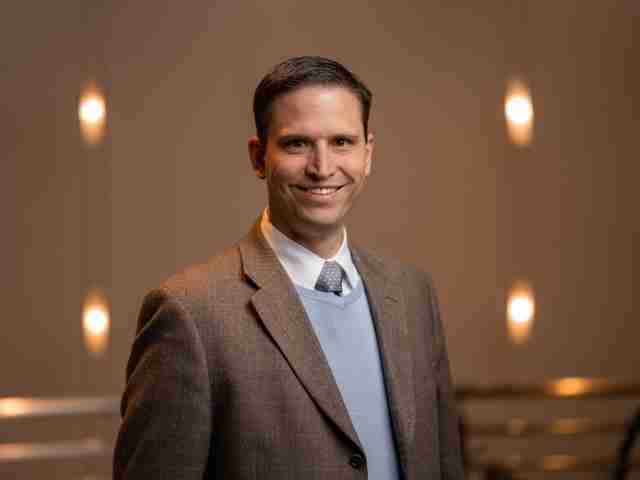
Jake Tawney
Xavier
With more and more classical schools coming into existence, there is an increased need to answer the basic question: What is classical education? Although there are notable differences from one implementation to another, there are also key core characteristics. Join Jake Tawney, Chief Academic Officer for Great Hearts Academies, on a tour through the seven liberal arts, the foundation of classical education, and the basic principle guiding the content and pedagogy of each discipline.
February 25, 2026 02:00 pm to 03:00
pm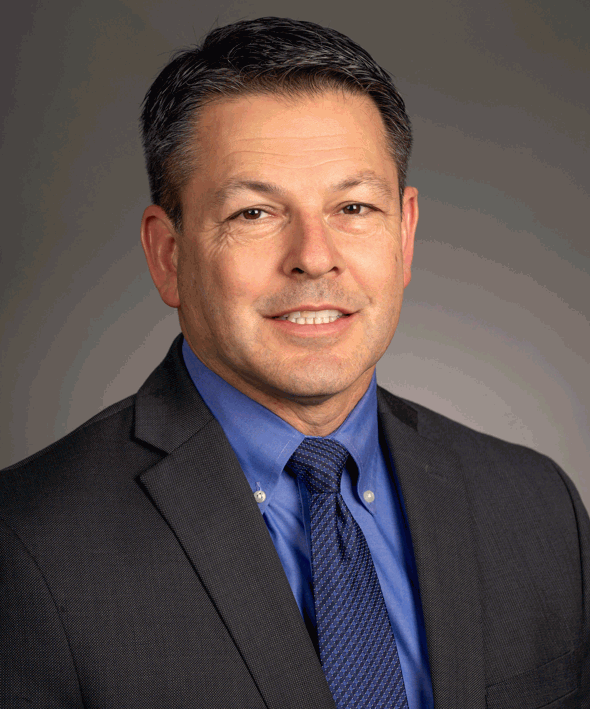
William Perales
Capistrano
It is 1776 and the Second Continental Congress has asked a group of five men to draft a document declaring independence. Who are these five men? Why were they chosen? Were there others qualified to do so? If there were five men, why is Thomas Jefferson credited with drafting the Declaration of Independence? In this session, participants will experience a classical lesson that presents the spirit of 1776 and the drafting of the Declaration of Independence under the aspect of wonder. Participants will learn key components of a classical lesson and how to design their own classical lesson.
February 25, 2026 02:00 pm to 03:00
pm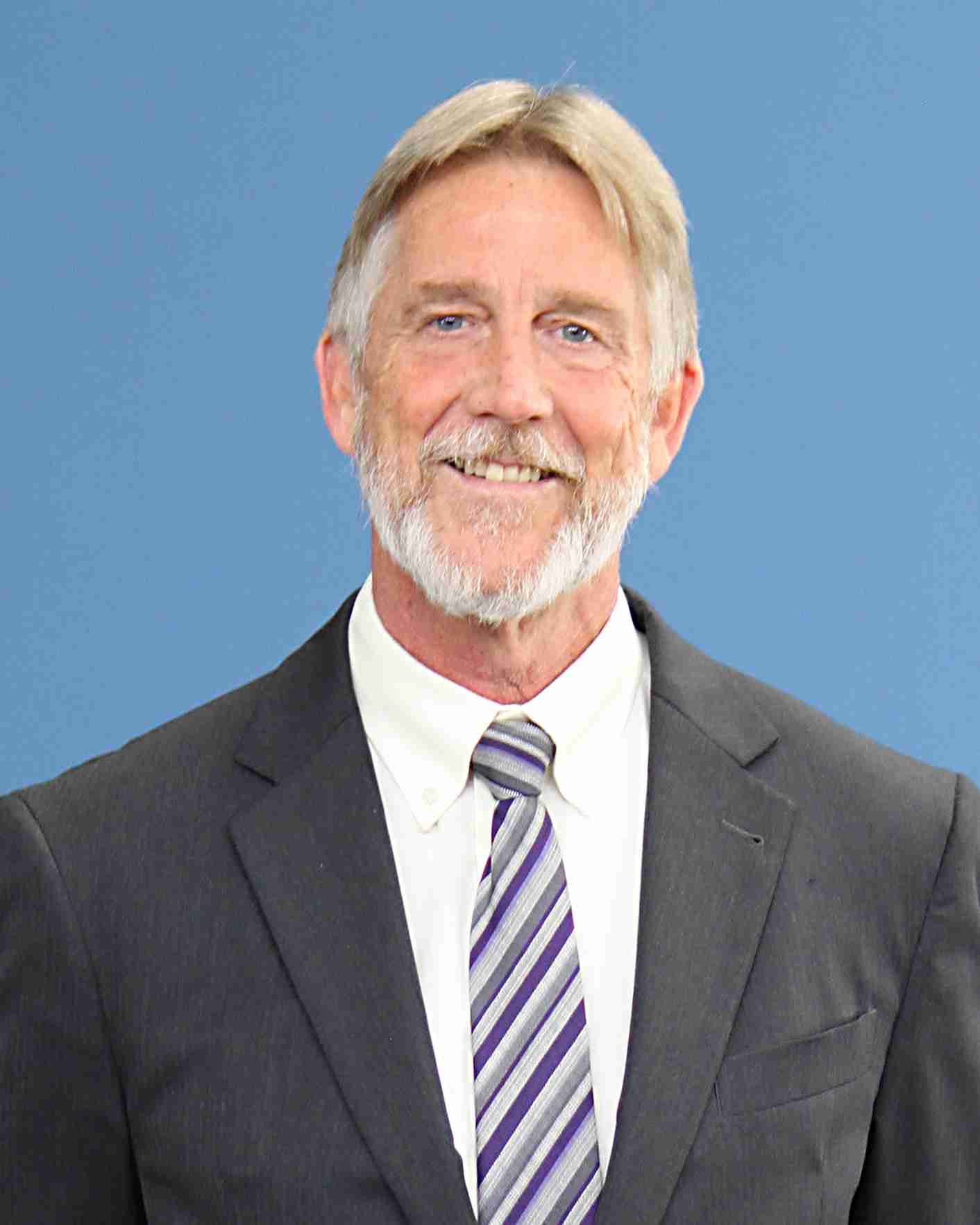
Andrew Pudewa
San Pedro
Because artificial intelligence is now able to instantly do extensive research, create content with sophisticated vocabulary and reliably correct grammar, and even act as a proxy for individual thought, is it less—or more—important to cultivate these distinctly human arts of language in our students today? If the latter is true, why? And how can we do so while recognizing that our students live in a brave new information economy that will undoubtedly continue to expand its power to atrophy the skills it replaces? This presentation will explore the vital roles of reading, conversation, and writing as tools to foster curiosity, creativity, ethical decision-making, and meaningful interpersonal communication.
February 25, 2026 02:00 pm to 03:00
pm
Zachary German
Cavetto
In this seminar, we will examine an address, known as "The Lyceum Address" or "The Perpetuation Address," that a young Abraham Lincoln delivered in 1838. In this speech, Lincoln outlines the threat that he perceives to the survival of American institutions, proposes a solution that he calls "political religion," and considers how great ambition and the fading of civic memory over time pose challenges for sustaining commitment to the American constitutional order. As we commemorate America's 250th birthday, this session gives us the opportunity to reflect on the insight Lincoln may offer with respect to maintaining the American experiment moving forward.
February 25, 2026 02:00 pm to 03:00
pm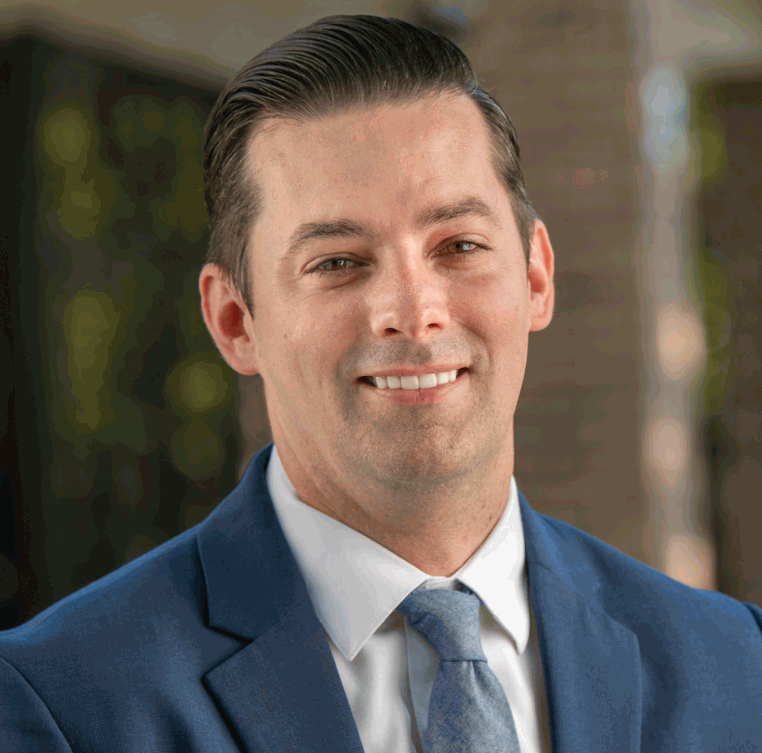
David Jackson
Jokake
This talk will examine the etymological origins of the Declaration of Independence, providing a lexical analysis of the text as well as a detailed explanation of the Latinate vocabulary and word choice expressed in the document. The session will also include materials on teaching a lesson on this topic (geared toward middle and high school aged students).
February 25, 2026 02:00 pm to 03:00
pm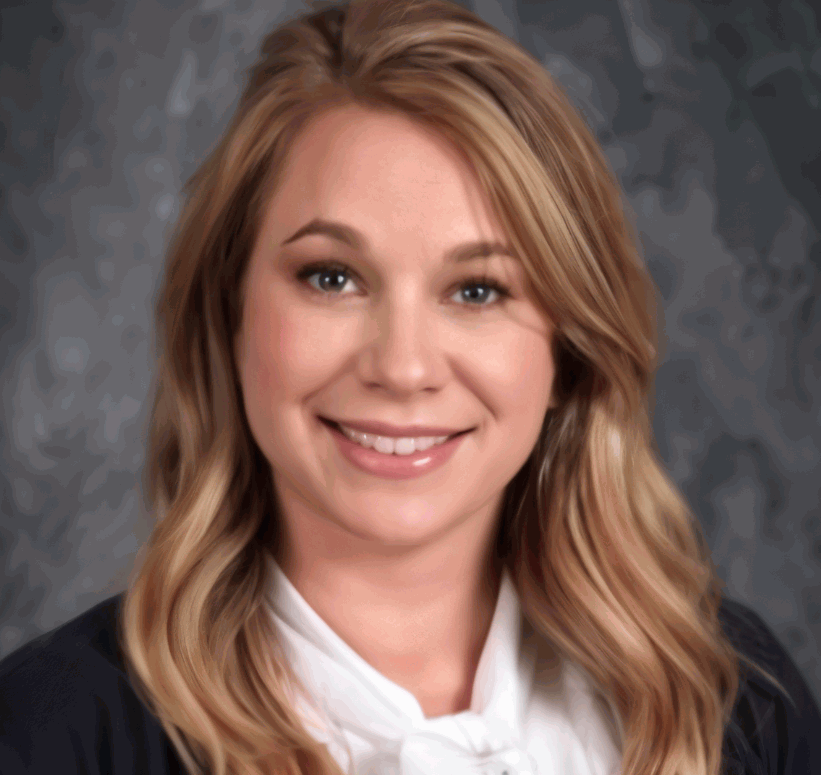
Jennifer Ramirez
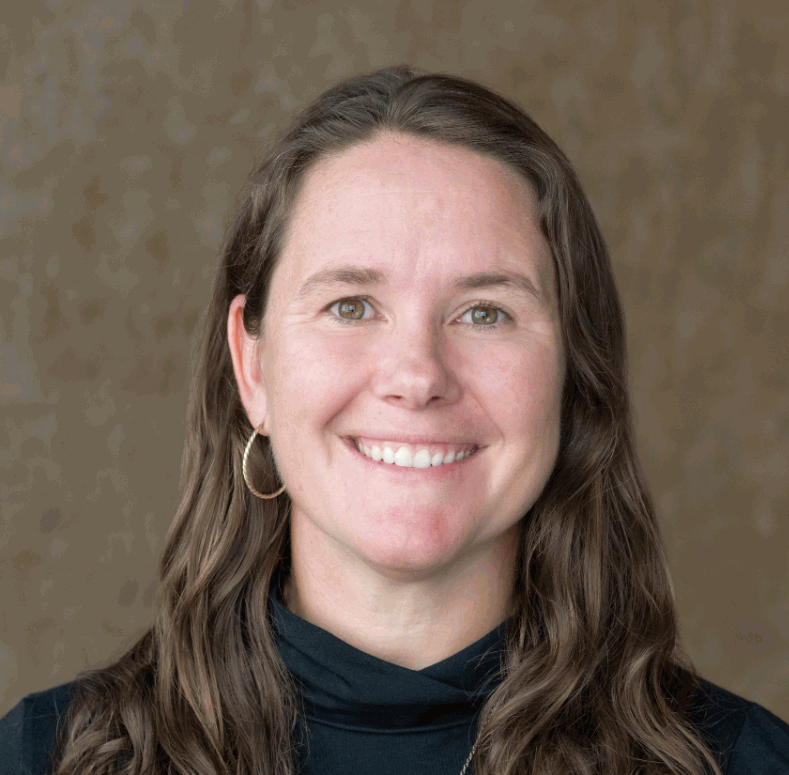
Mary Chin
Ironstone
We will read a short excerpt from Norms and Nobility and have seminar discussions through the lens of instructional coaching. If teachers can only teach from who they are, what they love, and what they know, how do we best support them as they engage in life-long learning? What are the roadblocks for teacher learning and how can a coach help dismantle them? No pre-work required; come with curiosity and your experience and we look forward to an energetic and thoughtful conversation.
February 25, 2026 02:00 pm to 03:00
pm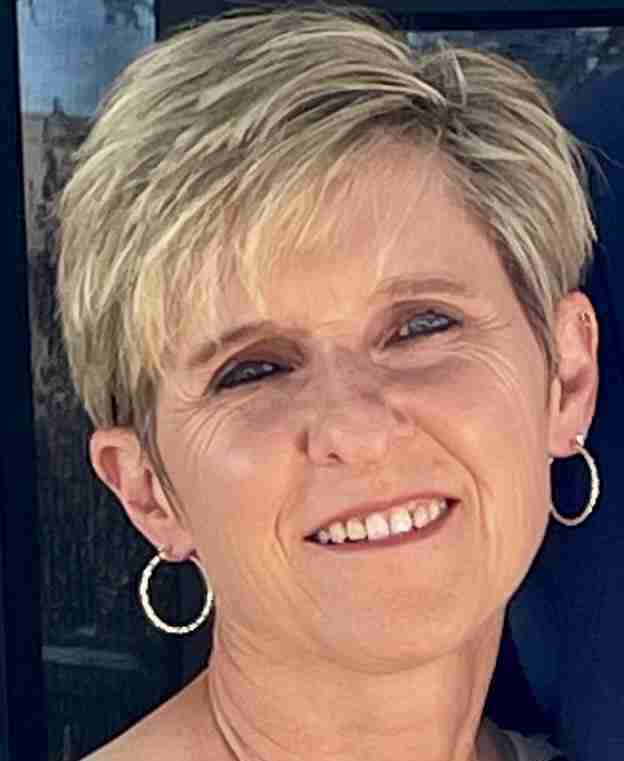
Heather Washburn
Joshua Tree
Classical education is increasingly reaching every child, affirming that the Great Books and the Great Conversation are the educational birthright of all. Guided by the vision of education as a means of intellectual cultivation for every student, the conviction that the best education should be universally accessible, and the principle that a single rigorous curriculum can unite rather than divide, this talk explores how schools are making Plato, Shakespeare, and Frederick Douglass accessible to all, while preserving the rigor and depth that make classical learning transformative. At once a philosophical celebration of education’s higher purposes and a practical roadmap for educators, the session demonstrates how classical education can serve every child, regardless of background or zip code.
February 25, 2026 03:00 pm to 03:15
pmFebruary 25, 2026 03:15 pm to 04:15
pm
Jerilyn Olson
Joshua Tree
K-5 teachers often wonder how the Socratic Method applies in a K-5 classroom – are kindergartners really supposed to seminar on Aristotle? In this workshop, we will discuss lesson planning with inquiry in mind, unit introductions that inspire wonder, and the questions that follow. For Great Hearts Staff: Please note that this is the same workshop offered at Great Hearts New Faculty Orientation.
February 25, 2026 03:15 pm to 04:15
pm
Andrew Carico
Jokake
Can a free nation survive without patriotic citizens? A proper love of country is essential for a nation’s endurance. Patriotism is often nurtured in institutions such as the family and local community—but what is the appropriate role of American K–12 schools in cultivating patriotism and preparing future generations of patriotic citizens? Moreover, what sources can help us thoughtfully engage this question?
This workshop explores the role of education in fostering what Ronald Reagan called an informed patriotism—a virtuous patriotism that exists between both an excessive and deficient love of country. Drawing on original sources from political philosophy, the American Founding, and Abraham Lincoln, this workshop explores specific ways that patriotism can be meaningfully incorporated both within the framework of a school’s daily programming and within secondary course curriculum.
February 25, 2026 03:15 pm to 04:15
pm
Cammie Passey
Cavetto
Mike Austin and Cammie Passey will host a poetry seminar investigating the meaning expressed by poetic form. In a comparison of contrasting structures, we'll explore how poetic devices such as meter and rhyme convey significance and shape interpretation. Physical copies of the texts will be provided for attendees. Come kick off your Symposium experience by engaging in enriching conversation centered on poetry of the American Experiment.
February 25, 2026 03:15 pm to 04:15
pm
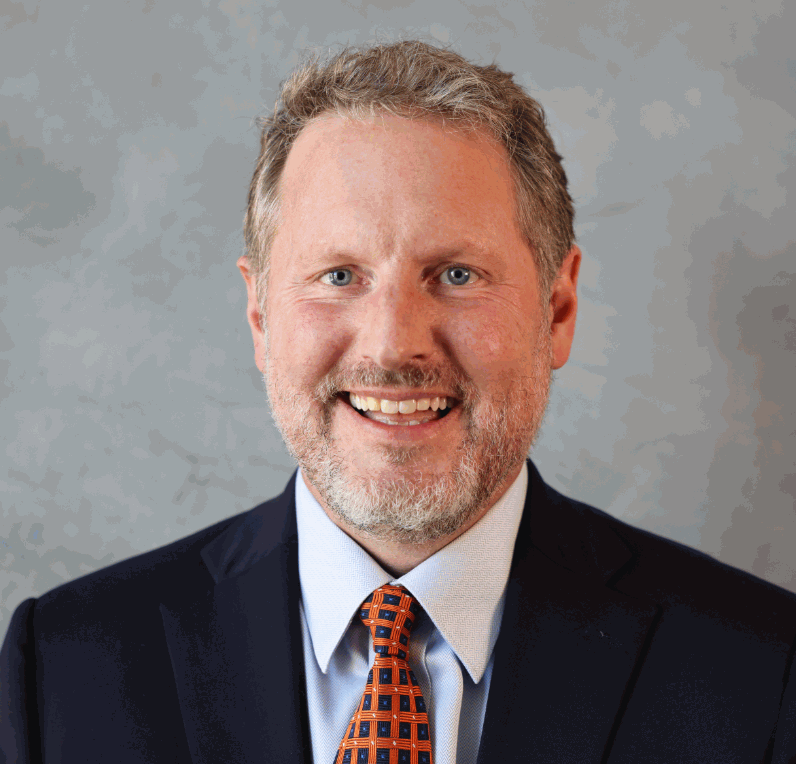
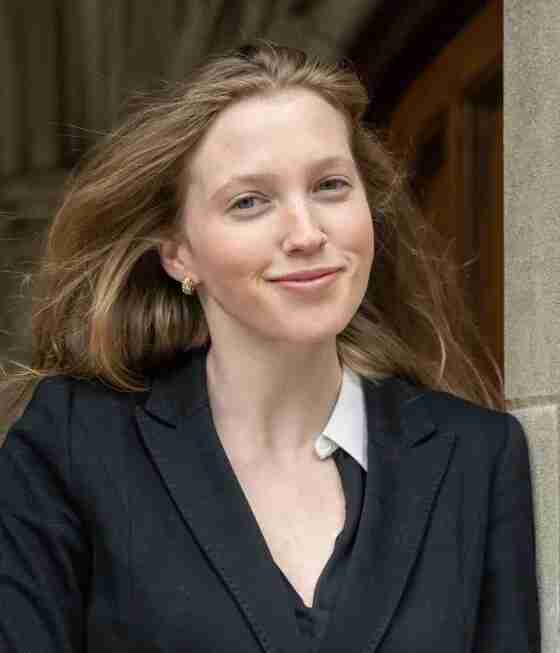
Ian Rowe
Joshua Dunn
Olivia Gross
Dolores
How does constitutional law fit within a classical curriculum? High School Law Review invites students to grapple with Supreme Court cases through close reading, structured debate, and publication in school-based law reviews. This workshop will demonstrate how the program works in a school setting and how it reinforces the classical emphasis on logic, rhetoric, and dialectic. We will also consider the importance of rewarding students’ investment in these values, through network and state-wide reviews that recognize top student work. Together we’ll explore how legal study sharpens critical thinking, nurtures civic literacy, and models respectful disagreement—equipping students to pursue truth with rigor and humility.
February 25, 2026 03:15 pm to 04:15
pm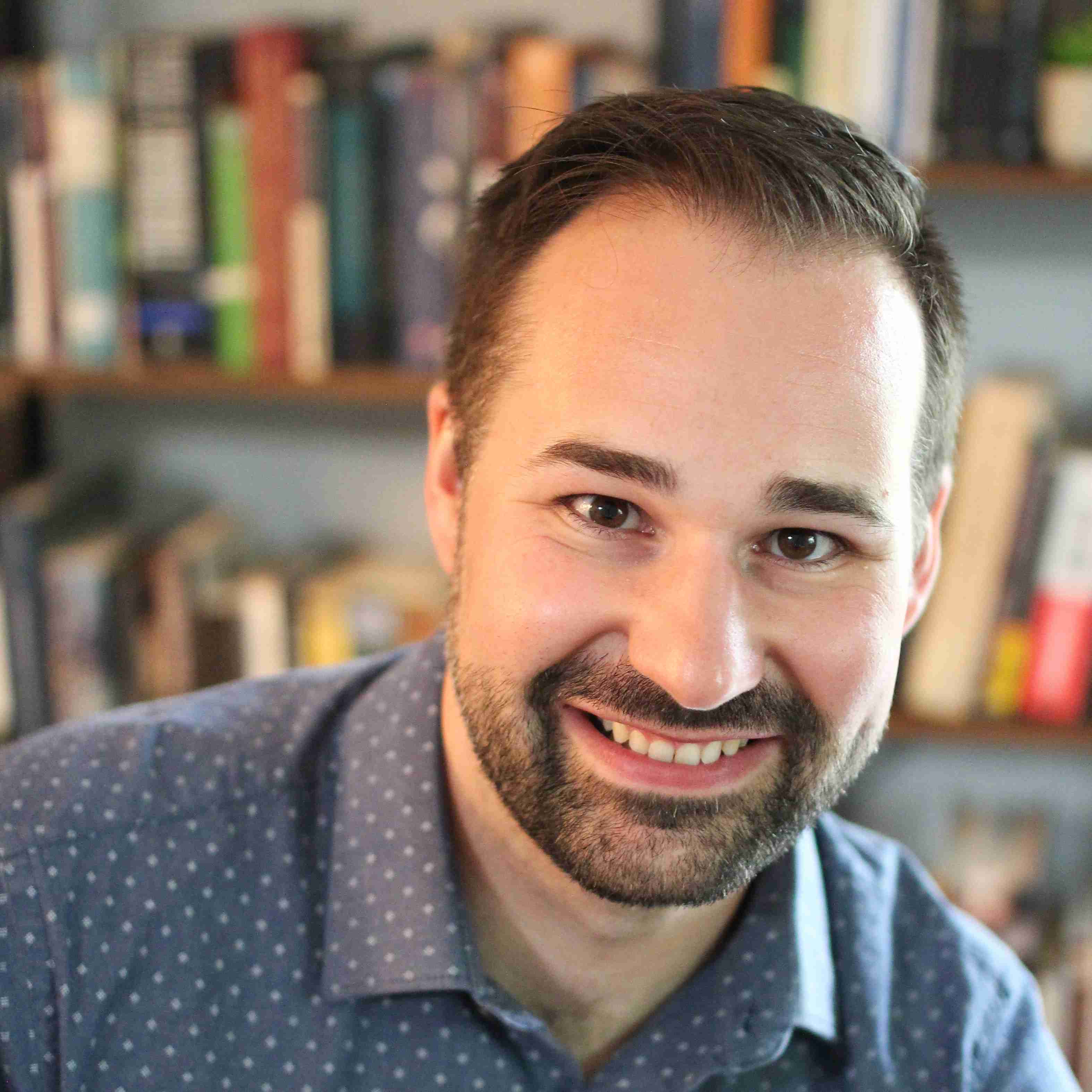
Jonathan Gregg
Capistrano
While many of the primary drivers of classical pedagogy -- the Socratic method, the liberal arts, etc. -- trace their roots to more ancient sources, the principles of the American founding -- liberty, federalism, equality, etc. -- provide an equally compelling ground from which to derive the principles of high-quality teaching. That is, while we may not want to copy-paste the exact educational methods from early American schools, we should feel compelled to teach in light of the ethos of the founding fathers, inheriting, preserving, and passing down the spirit with which our country was born. This session promises to articulate a set of American classical pedagogical principles and then provide teachers practical guidance for how those principles might be enacted in K-12 classrooms across all subjects and grade levels.
February 25, 2026 03:15 pm to 04:15
pm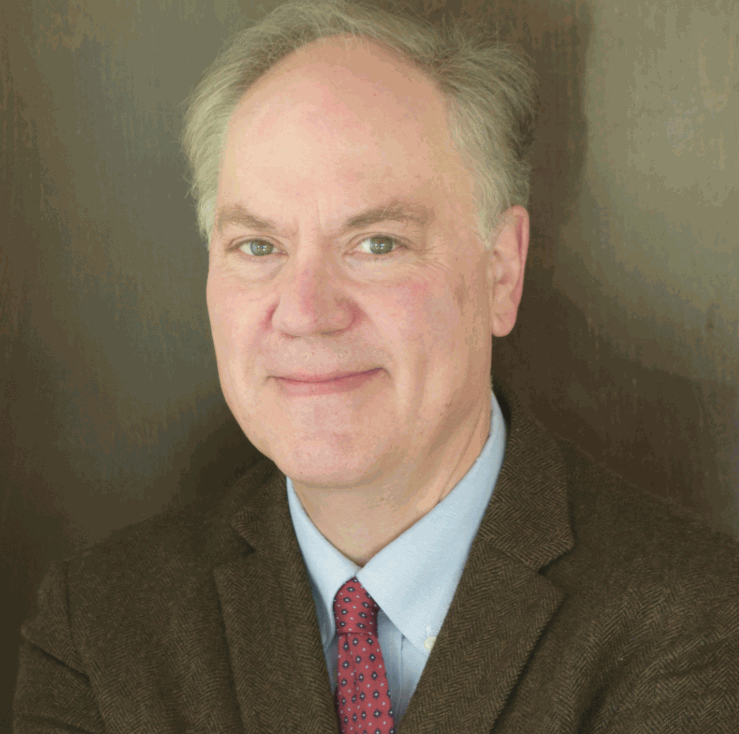
ANDREW ZWERNEMAN
Xavier
History is a liberal discipline within the humanities. Proper to its distinctive scope, history cultivates knowledge of the past and practical wisdom concerning our responsibilities in the present, enables a society to exist across generations, and fosters sympathies that bind a citizenry, even one as diverse as America’s. This workshop explores effective ways to teach American history toward all three objectives unique to history as a field of humane studies.
February 25, 2026 03:15 pm to 04:15
pm
Tammy Morrow
San Pedro
Those of us who are involved in classical liberal arts education are convinced that this education is essential for sustaining a healthy democratic society. This conviction leads us to consider how we can offer a classical liberal arts education to children who live in remote or rural areas of our nation, where brick and mortal classical schools are unavailable to them. More and more, we are seeing this question answered through online classical schools. The concept of online schools, which often utilize asynchronous education, can create tension with certain aspects of the classical tradition. In this workshop, we will consider how we can evoke and nurture a sense of wonder in our online scholars. We will consider how our online scholars can join into conversation with each other and with the Western Tradition.
February 25, 2026 03:15 pm to 04:15
pm
Jennifer Ramirez
Mary Chin
Ironstone
We will read a short excerpt from Norms and Nobility and have seminar discussions through the lens of instructional coaching. If teachers can only teach from who they are, what they love, and what they know, how do we best support them as they engage in life-long learning? What are the roadblocks for teacher learning and how can a coach help dismantle them? No pre-work required; come with curiosity and your experience and we look forward to an energetic and thoughtful conversation.
February 25, 2026 03:15 pm to 04:15
pm
Angel Adams Parham
Diana Smith
Augustine
Anna Julia Cooper fulfills the remarkable promise of America, a land where a person furthest from opportunity can be a tremendous success. Born into slavery and eventually earning a doctorate at the Sorbonne, Dr. Cooper lived a life committed to the notion that a classical education should be the curriculum for all people. She led a school and a university devoted to her belief in classical education and she proved in her person that to be classically trained is to be free. In this session, participants will learn about Dr. Cooper's remarkable biography and participate in a seminar focused on one of her educational treatises. Participants will leave with resources for teaching about Dr. Cooper and with an appreciation for the power of classical education to speak to all people at all times.
February 25, 2026 04:15 pm to 06:00
pmFebruary 25, 2026 02:00 pm to 04:30
pm
Mandi Gerth
Delores
In 2025, Laura Ingalls Wilder’s Little House on the Prairie celebrated its 90th anniversary. This beloved classic remains central to the Great Hearts elementary school canon alongside Little House in the Big Woods and Farmer Boy. Even as it becomes increasingly harder for our scholars to imagine the life of an American pioneer, we continue to point our students to the civic and moral virtue which shapes our national character, virtues we see in the Ingalls family. In this workshop, we will look at ways the Little House series shapes the moral imagination of our scholars by taking them inside unique struggles faced by this lovable family on the Western frontier of America. As Laura herself said, “the way we live and [our] schools are much different now, so many changes have made living and learning easier. But the real things haven’t changed. It is still best to be honest and truthful; to make the most of what we have; to be happy with simple pleasures and to be cheerful and have courage when things go wrong.”
February 25, 2026 07:30 pm to 09:00
pmFebruary 26, 2026 07:30 am to 03:15 pm
Lobby
February 26, 2026 08:30 am to 10:00 am

DOUG LEMOV
Palm Ballroom
The educational psychologist Daniel Willingham notes that we have learned more about how people learn in the last 25 years than in the previous 2500 and yet much of that learning remains under utilized in our schools and classrooms - and nowhere is that more true than in the area of reading. In this talk, Doug Lemov will summarize seven key research-backed principles that should guide reading instruction "post phonics" - that is, after students have learned their letter sound correspondence through systematic, synthetic phonics - and he spends a little extra time discussing perhaps the most surprising of the seven principles - the idea that reading books - whole books, great ones, together as a class - is one of the most important things teachers can do to foster achievement and knowledge.
February 26, 2026 10:00 am to 10:30
amFebruary 26, 2026 10:30 am to 11:30 am
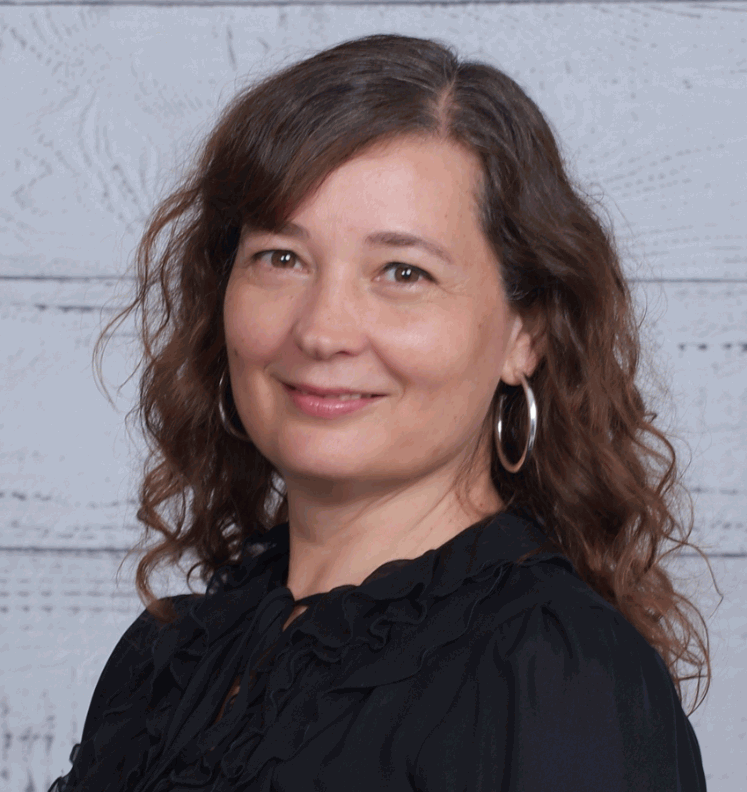
Alexis Mausolf
Augustine
The ideals expressed in the Declaration of Independence reverberate down the ages and find their echoes in well-known American tales of those such as Paul Revere, Johnny Appleseed, Rip Van Winkle, and Paul Bunyan. In this workshop, learn how the legends and folktales native to American soil have helped shape our national identity and values since this nation’s inception, and how they can continue to form your students’ moral imaginations. You will be provided with practical ideas for approaching American folklore in the K-5 classroom, and concrete ways to weave it into the various subjects you teach, in order to expand your students’ knowledge and sensibilities, and to prepare them for lives of virtuous citizenship.
February 26, 2026 10:30 am to 11:30 am
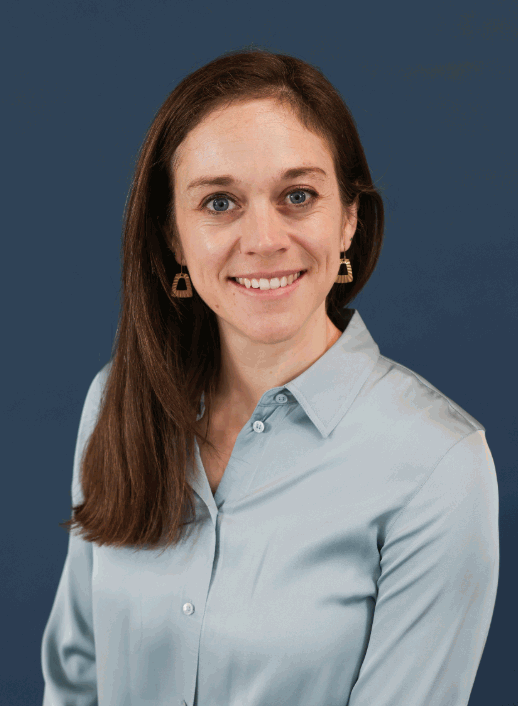
Sofia Rigolon
Colonnade
As the United States prepares to celebrate the 250th anniversary of the Declaration of Independence, educators have a unique opportunity to explore classical literature through an inclusive and interdisciplinary lens. The Wind in the Willows by Kenneth Grahame, a beloved classic, offers rich themes of community, freedom, and responsibility—making it an ideal text for integrating social studies concepts while ensuring accessibility for diverse learners.
This session will provide educators with strategies to create classical curricula that is inclusive of exceptional learners that incorporate social studies themes such as governance, civic responsibility, and cultural perspectives. Attendees will explore how The Wind in the Willows can serve as a bridge to discussions on democracy, leadership, and the evolving ideals of independence, both in literature and historical contexts.
February 26, 2026 10:30 am to 11:30 am
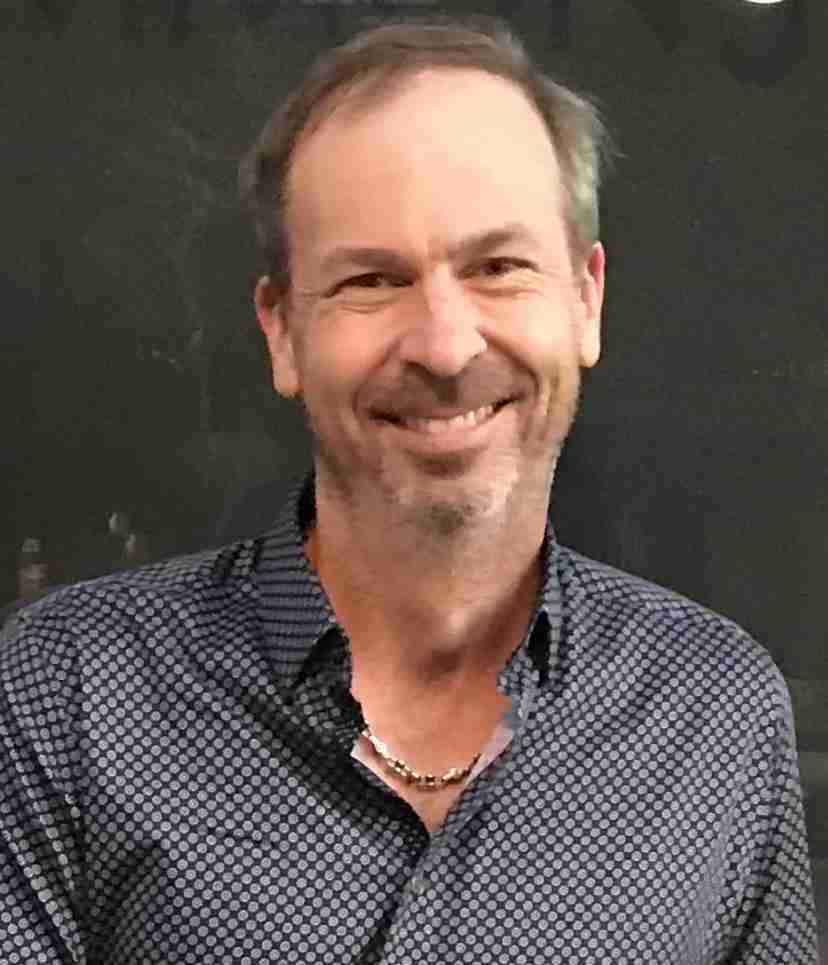
James Tanton
San Pedro
Every few years, a seemingly simple math challenge circulates on social media, sparking heated debates and passionate disagreements. This viral puzzle not only divides opinions but also unveils society’s perceptions of mathematical thinking, the definition of “success” in learning mathematics, and the purpose of mathematical activity itself.
The challenge? It asks:
What is the value of 8 ÷ 2(2 + 2)?
In this talk, we will unpack this “innocent” internet puzzle to reveal deeper insights about mathematics. By examining its implications and the debates it inspires, we’ll explore a bold and transformative mathematical stance—one that challenges conventional expectations and offers a perspective entirely orthogonal to the assumptions embedded in the meme.
Join us as we uncover the profound beauty, extraordinary power, and undeniable relevance of mathematics in this playful yet thought-provoking exploration.
February 26, 2026 10:30 am to 11:30 am
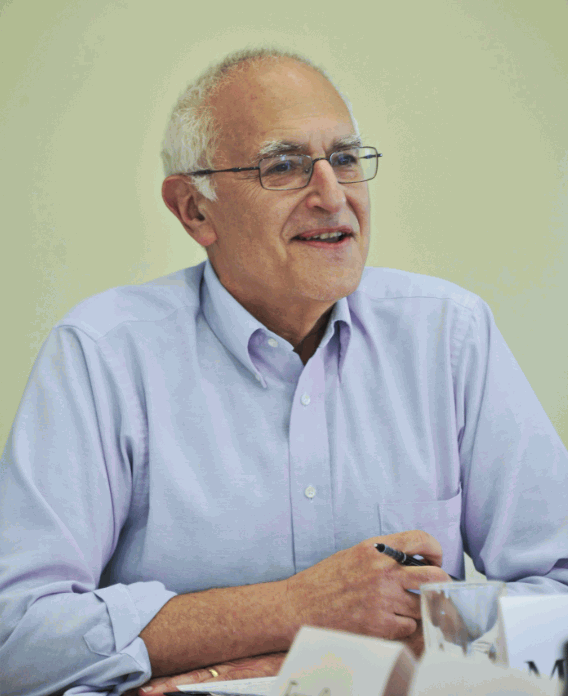
Michael Zuckert
Ironstone
Lincoln frequently appealed to the Declaration - what did it mean to him? What did he think it meant to the Americans of 1860? What did it mean regarding slavery?
February 26, 2026 11:30 am to 12:30
pmFebruary 26, 2026 12:30 pm to 01:30 pm
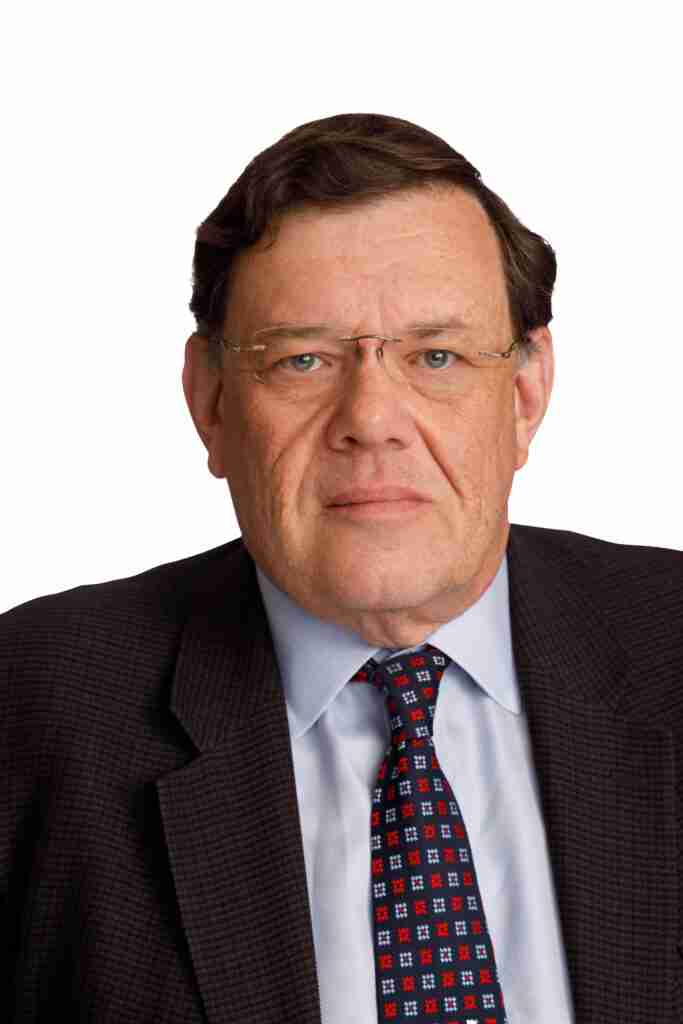
Henry Olsen
Joshua Tree
All societies seek to educate their young in the ways and morays of their people. Throughout most of history, this meant instruction in the specific manners, laws, and customs practiced in the tribe, the clan, or the nation. But America was from its outset a different nation, a Novo Ordo Seclorum, and as such required a different sort of education.
America is ultimately a nation based on an idea that all tribes, clans, or nations share a common humanity and are subject to common rules. Thus, instruction in the specific manners and customs of America necessarily requires instruction in the discovery and understanding of those common elements of life and existence.
That is precisely what classical education seeks to achieve. It inculcates reasoning rather than rote learning, inquiry rather than obedience, and a search for truth that can be proven to and accepted by all rather than an assertion that what is believed by Americans is simply true.
Classical education is not reliant on an established canon of texts, although certain texts have proven to be more instructive than others in leading their readers toward the good, the true, and the beautiful. It is not a revealed religion; it is an ongoing journey based on a core principle.
In that sense, classical education is indispensable to American identity and its future.
Modern deviations from that model are all essentially merely modern versions of the ancient modes of establishing particular truths based on assertion and force. The trend toward denying biological truths, toward asserting there are certain types of sciences, and toward classifying individuals according to immutable physical characteristics are all adaptations of the antique idea that the opinions regnant in any particular city are true for all cities regardless of their foundation in evidence or argument that members of other cities can be persuaded to adopt. These modern versions of "education" are thus fatal to the American regime.
Only a return to the classical approach can renew and reaffirm America's promise and identity.
February 26, 2026 12:30 pm to 01:30 pm
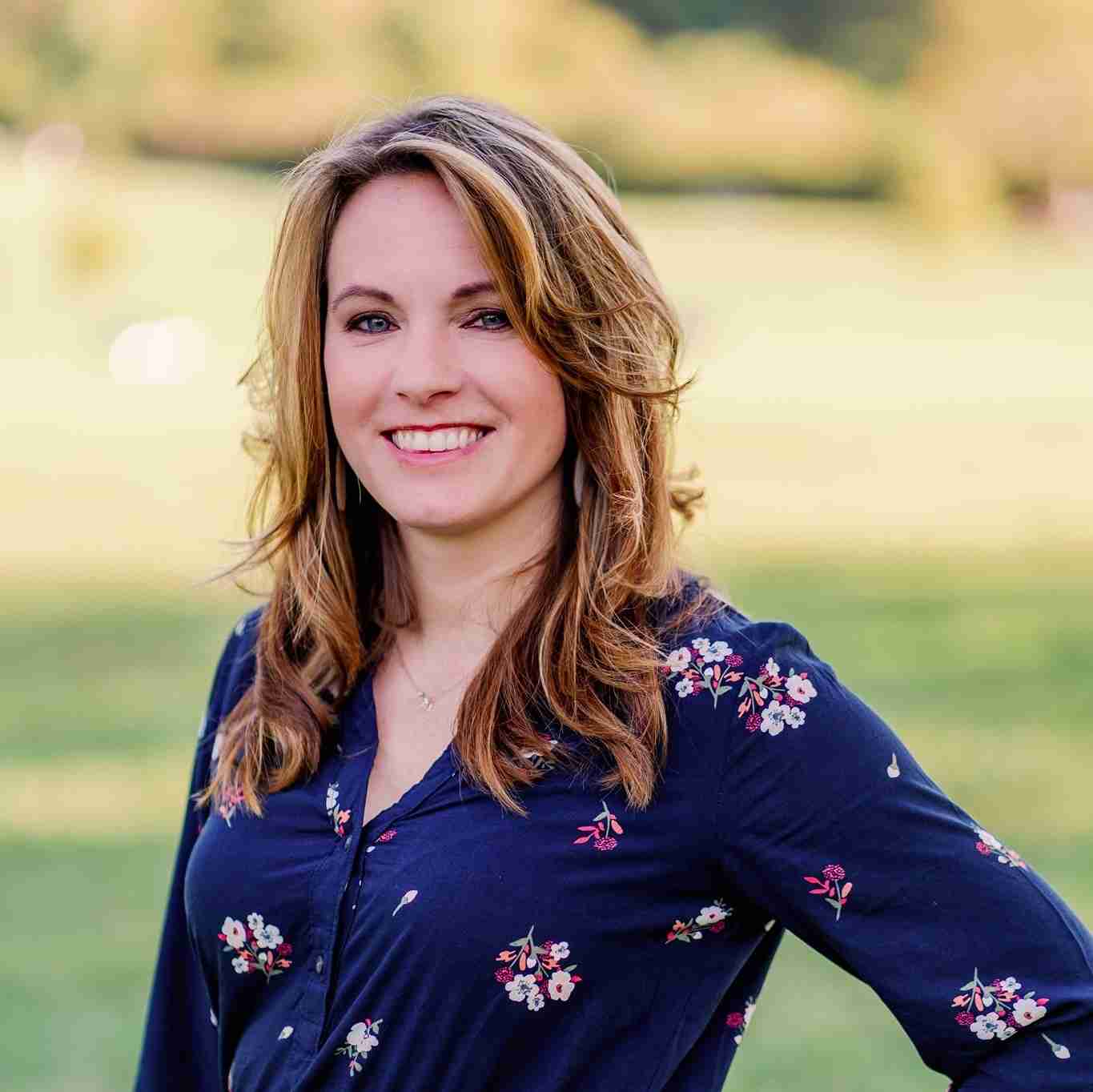
Jessica Kaminski
Cavetto
Mathematics is unchanging in its beauty. It’s a discipline that helps us make sense of the world through logic, precision, and truth. Yet throughout the American experiment, math instruction has often been shaped by passing trends rather than enduring principles. In this session, we’ll look to Singapore, a global leader in mathematics education, for four timeless strategies that support deep understanding and lasting success: an upward spiral curriculum, a balance of conceptual and procedural knowledge, research-based teaching practices, and an emphasis on problem-solving. While we cannot fully replicate Singapore’s system, we can apply these core principles to meet the needs of our unique students, guiding them toward truth through the logical beauty of mathematics.
February 26, 2026 12:30 pm to 01:30 pm
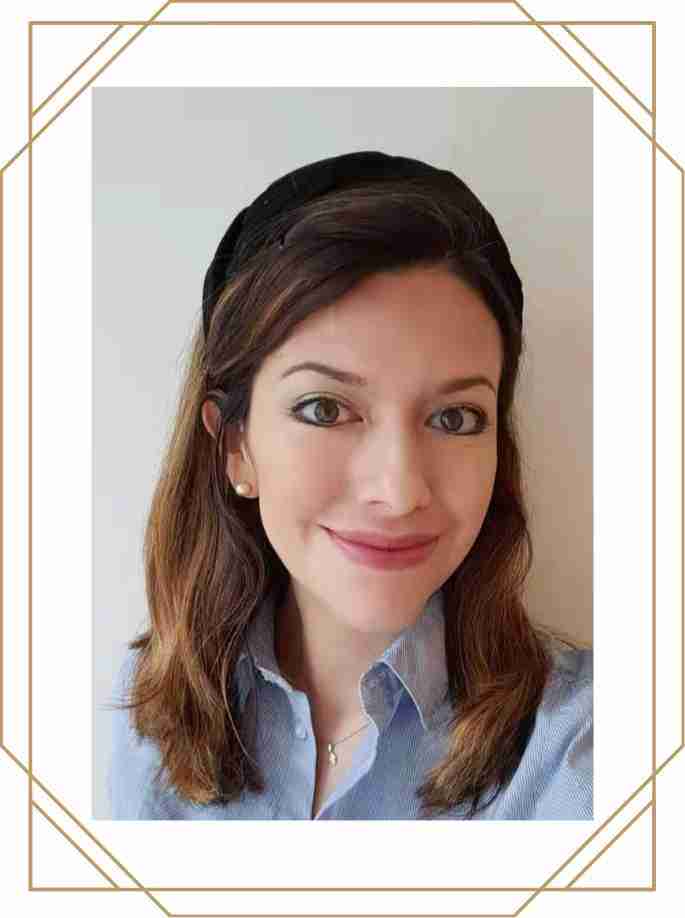
Liliana Worth
Colonnade
Hadar Jewish Classical Academy is pioneering a rigorous Hebrew immersion program for mostly students from English-speaking homes that exposes and engages children as young as three in a Hebrew-speaking environment to maximize the language acquisition capacity of young minds. Our Pre-K and K sections offer almost full immersion in Hebrew during the school day with minimal instruction time in English allotted to basic numeracy and literacy. As the students move up the grades they continue with their Hebrew immersion for Jewish studies, Hebrew literature and Hebrew conversation and Israeli studies, within a framework that establishes a strong framework at the younger years and tapers off to allow more time for core classical English-speaking instruction in Math, English, History and Latin. Even within our first two years of the immersion program we have noted remarkable benefits: in addition to developing their second language proficiency, we have observed that our students show tendencies that suggest bilingual language processing, a stronger ability to navigate academic challenges and ambiguous environments, good linguistic sensitivity in English, and an openness to learning additional languages such as Latin. Finally, the provision of Hebrew allows our students to engage with the most ancient tradition and heritage of the West and access the scriptures and philosphy at the roots of our American classical education.
February 26, 2026 01:30 pm to 01:45
pmFebruary 26, 2026 01:45 pm to 02:45 pm
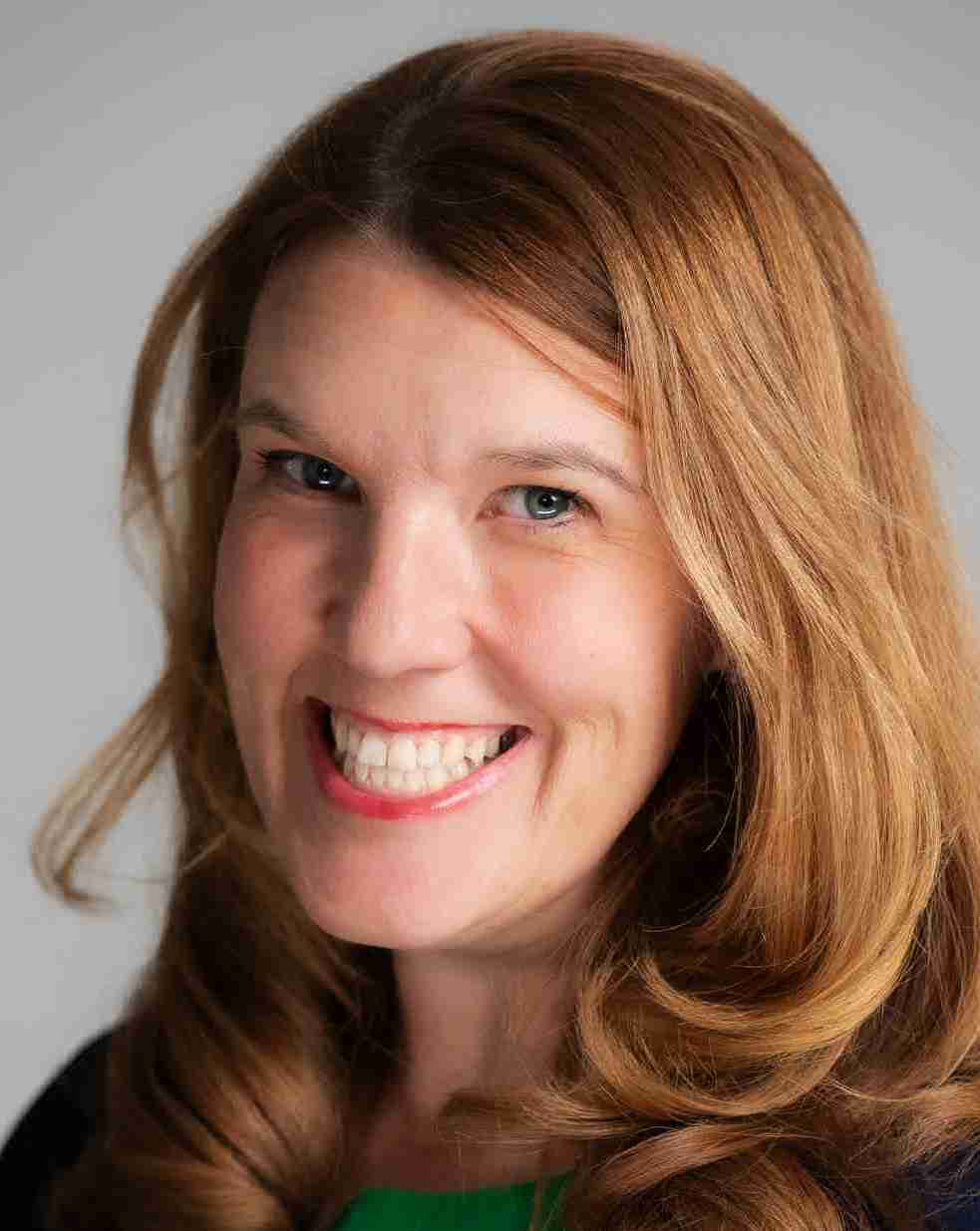
Susan McWilliams Barndt
Colonnade
The most cited piece of literature in the political speeches, sermons, and publications of the American founding is not a work of Enlightenment scholarship. It's not a work of modern political philosophy. In fact, it's about as far from a modern piece of writing as a piece of writing. The most cited piece of literature in the American founding is the biblical story of the Exodus - and it's not a close competition.
In this talk, I'll reveal the important and often surprising role that the ancient story of the Exodus played in the American founding, particularly during the first week of July in 1776. I'll also talk about what we can learn about American politics and history if we come to appreciate the place of the ancient Exodus, not just in the American founding but in American political thought (and particularly African-American political thought) more generally.
February 26, 2026 01:45 pm to 02:45 pm
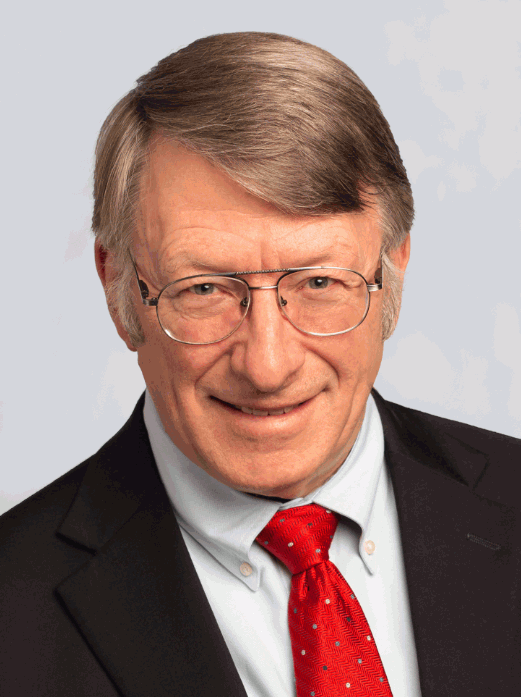
James Stoner
Joshua Tree
Historians and other scholars have debated whether the Constitution fulfills or betrays the promise of the Declaration. Usually the question is put in general terms: Is the Constitution sufficiently democratic? Do its protections for property, especially slavery, contradict the idea that "all men are created equal?" Does its accommodation of state sovereignty undermine the revolutionary action of one people?" I will focus more particularly on the two documents themselves and will show that every violation alleged in the Declaration's list of grievances is guarded against by a specific provision of the Constitution or the Bill of Rights. Establishing the fidelity of the Constitution on particulars of political and personal liberty will bring fresh perspective to the larger question of its emancipatory potential, later fulfilled by the Civil War Amendments.
February 26, 2026 01:45 pm to 02:45 pm
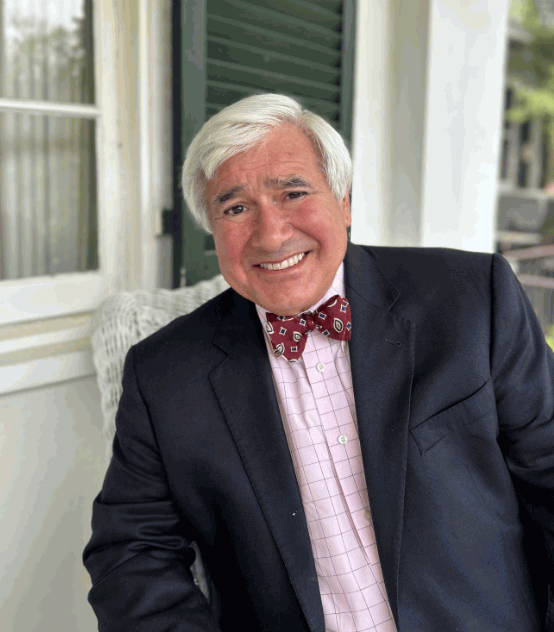
Vigen Guroian
Abbey South
Workshop on Little Red Riding Hood. As I have done in past years with other fairy tales, I will take you through a careful reading of this well-known fairy tale, and surprise you with the profound religious and moral meaning that the Grimms put into it. And as in the past, there will be lots of room for questions and discussion. I also will present you with a surprise version of the story that brings it back home to America. I think we will have some fun with this.
February 26, 2026 02:45 pm to 03:30
pmFebruary 26, 2026 03:30 pm to 04:30 pm
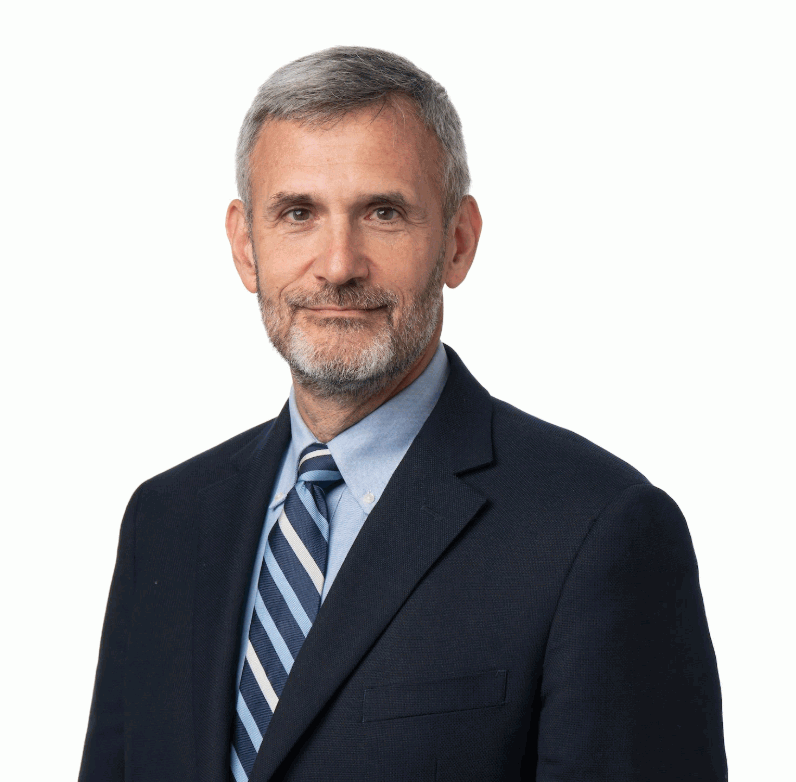
Robert Pondiscio
Augustine
Long before children decode their first words, they are acquiring the vocabulary, background knowledge, and habits of mind that will make fluent reading possible. This session explores how rich read-alouds and carefully chosen picture books build language proficiency and cultural literacy in the early years. We’ll consider how picture books expand vocabulary, sharpen narrative sense, and cultivate shared knowledge - and how teachers can use them to prepare students for more demanding texts.
February 26, 2026 03:30 pm to 04:30 pm
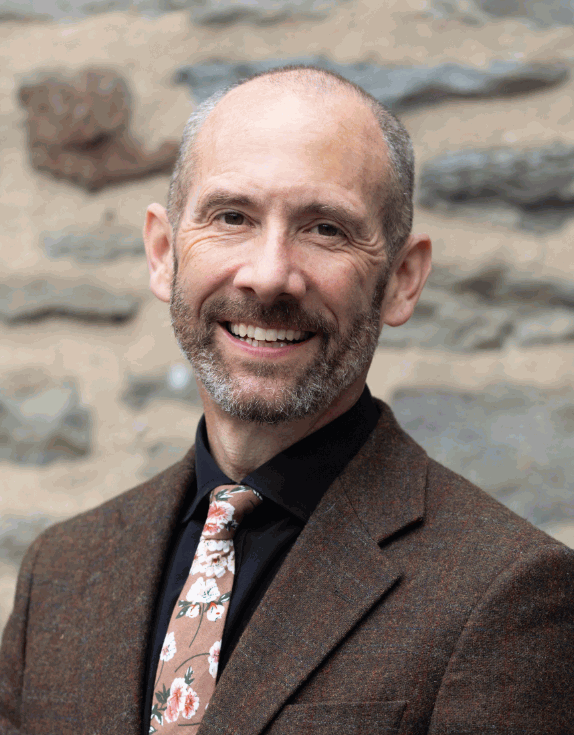
Brian Williams
Xavier
Despite their ubiquity and widespread acceptance in contemporary education, formal grading systems are relatively recent innovations in the history and philosophy of education. Far from innocuous tools which aid the student’s academic development, grades and grading systems developed as ad hoc tools for ranking students against one another in academic competitions.
This talk will examine the history of assessment, grades, and grading in light of the longer tradition of education and suggests alternative practices could better orient students toward the true, good, and beautiful. By understanding how and why contemporary approaches to grades developed, classical educators will be equipped to mitigate the unintended and often unseen adverse consequences grades have on their students. Hopefully, the session will liberate teachers and students to pursue the intrinsic goods of learning over against the fleeting and extrinsic rewards of making the grade.
February 26, 2026 03:30 pm to 04:30 pm
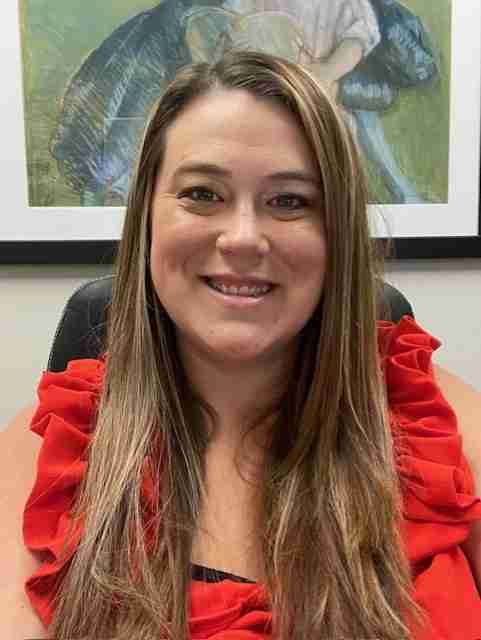
Marisa Cook
Jokake
Did you know that some studies have found that on average, teachers spend at least 89% of the lesson talking? Have you ever done your best learning while listening to someone talk this much? This session will focus on why students learn best when we transfer the heavy lifting onto the students and how learning is a consequence of thinking. We will cover different strategies that will allow your students to fully engage in the material while simultaneously providing you a window into their thinking, long before you give an assessment!
February 26, 2026 03:30 pm to 04:30 pm
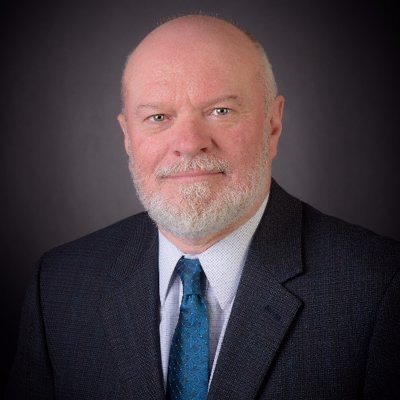
Stephen Knott
San Pedro
This talk will examine the critical role played by two key statesmen from the founding era: George Washington and Alexander Hamilton. The extraordinary relationship between Washington and Hamilton shaped not only the contours of presidential power but all aspects of the American experiment.
I will argue that Washington and Hamilton forged the indispensable alliance of the early republic, and in so doing, created “an empire . . . in many respects the most interesting in the world.” Both men fought to convince their fellow citizens to abandon parochial interests and “think continentally.” These men were the leading nationalists of the founding generation: they wanted the citizenry to think of themselves as Americans, not as Virginians or New Yorkers.
Their partnership, founded on mutual respect despite occasional disagreements, endured through the revolution and contributed to building the nation's political and economic institutions. While serving as Washington’s aide-de-camp during the American Revolution, Hamilton played a critical role — not only in military matters but also by contributing ideas that would later influence the development of a strong central government. Together, Washington and Hamilton navigated the uncertainties of independence, blending pragmatism and principle as they confronted the practical realities of governance.
It is my belief that without George Washington and Alexander Hamilton, the American Revolution would likely have failed, as would the ratification of the U.S. Constitution. While Thomas Jefferson’s eloquent rhetoric continues to inspire, it was due to the nation-building efforts of these two statesmen that we can celebrate America’s semi quincentennial in 2026.
February 27, 2026 07:30 am to 01:00
pm
Lobby
February 27, 2026 10:00 am to 10:30
amFebruary 27, 2026 10:30 am to 11:30
am
Vigen Guroian
Augustine
On March 22, 1775 Edmund Burke, the great British statesman and political philosopher delivered his speech on "Conciliation with the Colonies" in Parliament. And while it came too late - just a month before the Battle of Lexington and Concord - to prevent the outbreak of war - it has been viewed since that time as a speech of immense political wisdom in which Burke profoundly demonstrates the importance of two fundamental virtues of politics: prudence and magnanimity. In my view, also, Burke's insight into the American character remained unrivaled by any commentator on it until de Tocqueville. Through the nineteenth century and early decades of the last century, Burke's speech was regularly taught in American schools as an example of the highest form of political rhetoric and as a lesson in history. I believe the speech helped shape the character and politics of many American leaders. In our day, we need to return to it. But not only are we going to look at "Conciliation with the Colonies" as a lesson in politics and history, we also are going to examine Burke's masterful use of rhetorical figures and devices that make it one of the most important speeches of British Parliamentary history.
I first was introduced to the speech in the best course I ever took as an undergraduate at the University of Virginia, Professor John Graham's "The Golden Age of British Rhetoric." I never left Burke or his speech behind. My doctoral dissertation included Burke as one of two figures in a study on politics and the moral life, the other being the twentieth century American theologian, Reinhold Niebuhr "On Conciliation..." is a very long speech, so I have excerpted some of the most salient portions for our examination.
February 27, 2026 10:30 am to 11:30
am
Shannon Richards-Nieves

Jason Moore
Abbey South
Every school has stories worth telling—but not every story is told in a way that captures attention, builds trust, and drives growth. In this workshop, participants will learn how to identify and shape stories that resonate both inside their school community and with the broader public.
We’ll explore practical strategies for creating headline-worthy content that maximizes your digital footprint. From writing compelling headlines that draw readers in, to incorporating SEO-friendly code snippets that boost visibility, you’ll walk away with concrete tools to make your school’s stories travel further and work harder online.
This workshop will highlight how storytelling serves a dual purpose: strengthening engagement with current families while reaching new audiences to support long-term enrollment growth. Whether you’re a school leader, marketer, or educator, you’ll leave with a framework for turning everyday school moments into meaningful, shareable narratives that connect with parents, donors, and the wider community.
February 27, 2026 10:30 am to 11:30
am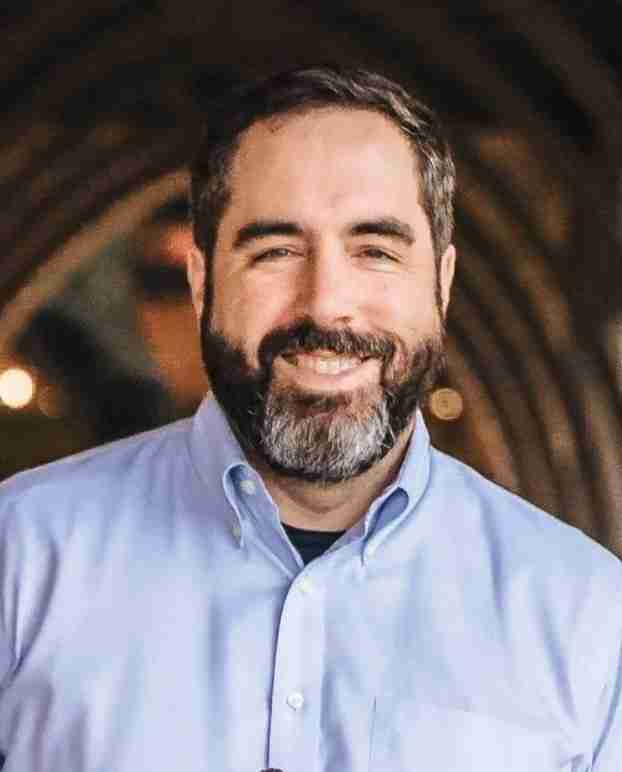
Josh Wilkerson
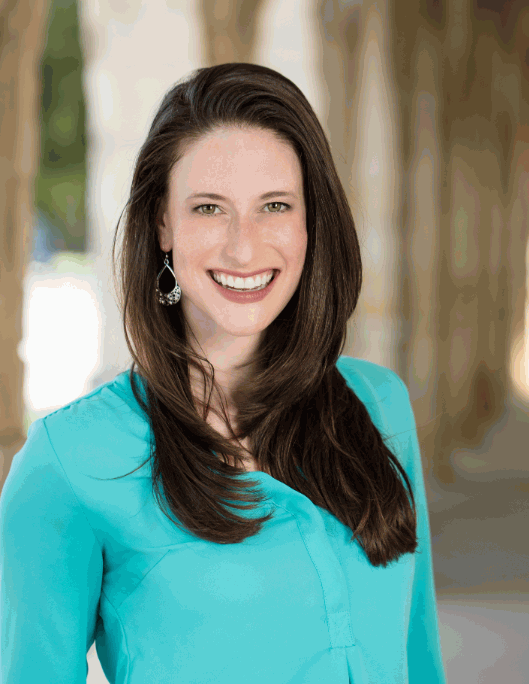
Sandra Schinetsky
Jonathan Gregg
What does it mean to teach mathematics classically? This question is often asked by not only math teachers in classical schools but also teachers in other content areas and school leaders. While there is some clarity about how to teach other content areas such as literature, history, and natural philosophy from a distinctively classical approach, there is much less in clarity and consensus when it comes to mathematics. In this workshop, attendees will first learn about the findings from an experiment that identifies what classical school educators think math classrooms should look like and how students themselves describe their math classrooms. Dr. Albert Cheng from the University of Arkansas will moderate the panel discussion about these findings with Dr. Jonathan Gregg of Hillsdale College and Dr. Josh Wilkerson and Sandra Stotsky, math teachers at the Regents School of Austin and directors of Restoring Mathematics. Attendees will have the opportunity to interact with the panel and consider how to implement with greater fidelity a classical vision of mathematics education in their classrooms. The aim of the workshop is to inspire imagination about what mathematics classrooms can and, perhaps, should look like in classical schools and to equip individuals to take steps to realize such classrooms.
February 27, 2026 10:30 am to 11:30
am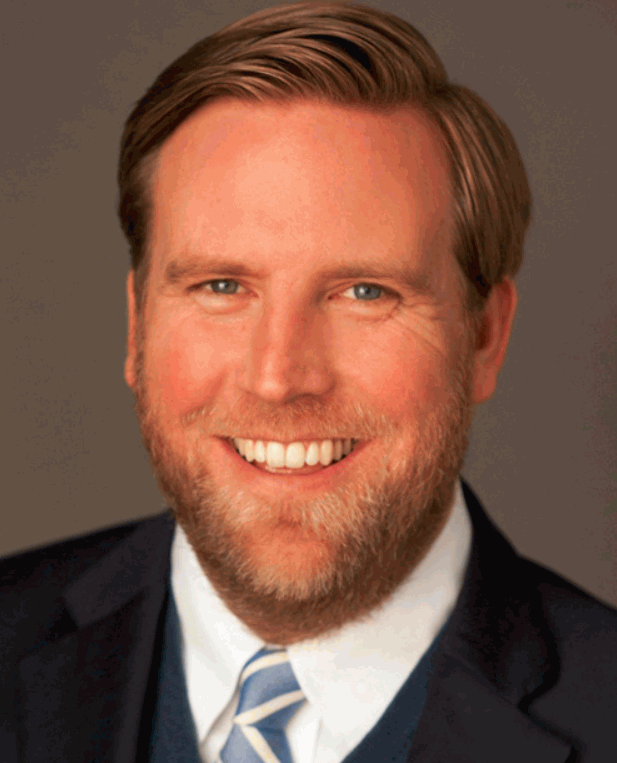
Erik Twist
Xavier
The classical renewal depends on one thing: people. Yet the movement faces an urgent and widening talent gap. In this session, Arcadia President Erik Twist will share a proven, system-level approach to solving the pipeline problem — from uncovering hidden teacher markets and forging recruitment pathways to building institutional infrastructure that attracts, supports, and retains mission-aligned educators. Drawing on Arcadia’s work with networks, dioceses, and new school launches nationwide, this session will offer practical tools and strategic insights for anyone serious about staffing the future of classical education. If you’re facing a talent crunch, don’t miss this.
February 27, 2026 10:30 am to 11:30
am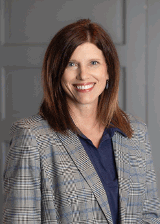
Carrie Eben

Christopher Perrin
Joshua Tree
Most of us have had at least one good teacher. If we have, we can still remember that teacher, and almost always because that teacher could teach very well and was simply a good and admirable person. In this seminar, we will explore the two ways that good teachers become good: 1) they are models of virtue that inspire students to imitate them and 2) they are good at the art of teaching or pedagogy.
In this seminar, Perrin and Eben will discuss the importance of modeling virtues like zeal for learning, intellectual curiosity, wonder, and humility and how to grow in these virtues; they will also note the key principles of pedagogy contained in their co-authored book, The Good Teacher: Ten Key Pedagogical Principles That Will Transform Your Teaching. And since good teaching has existed throughout history and place, this seminar will note some of the great American teachers from its founding to the present day.
February 27, 2026 10:30 am to 11:30
am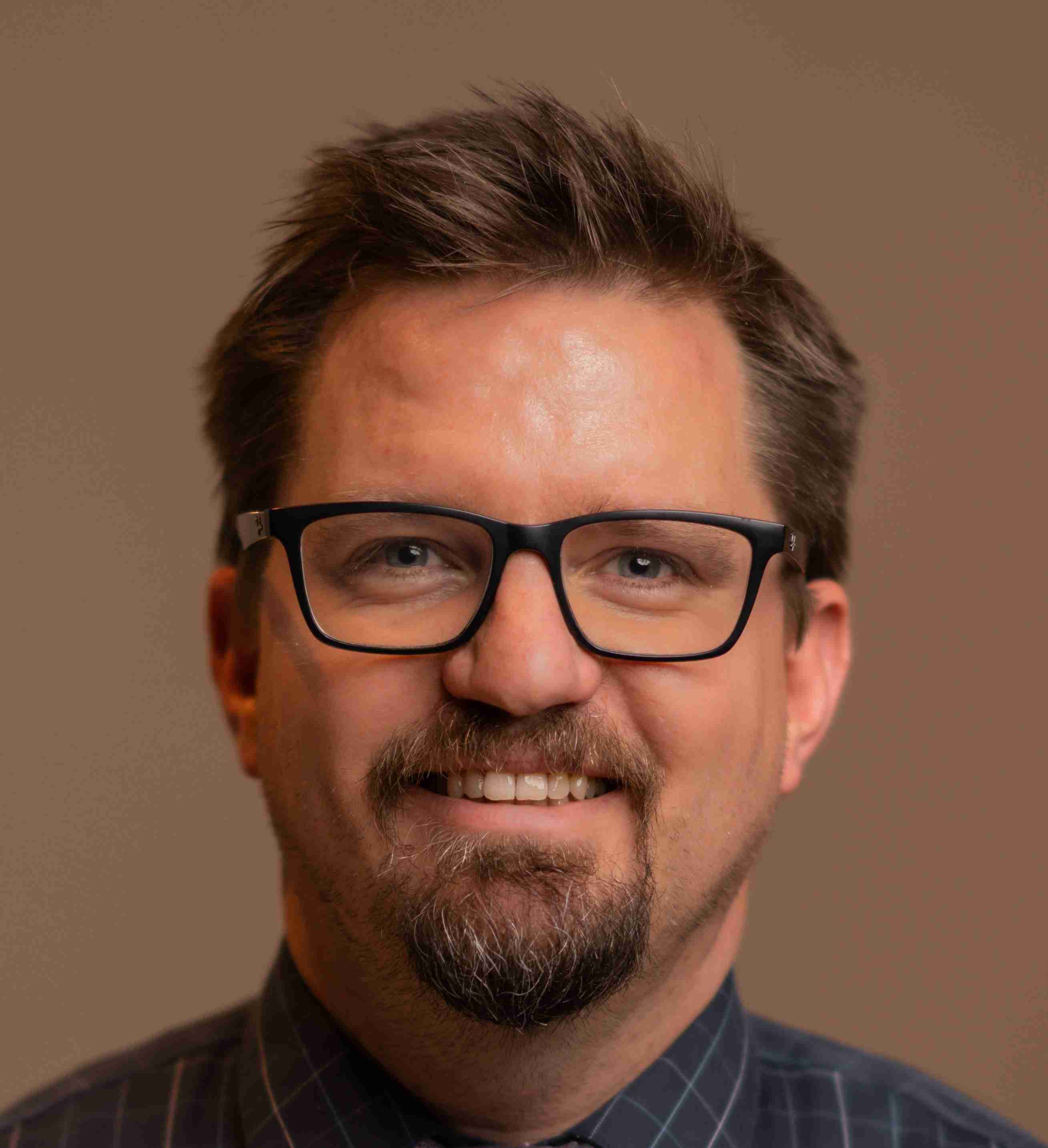
Tom Doebler
San Pedro
Following a rich discussion of how to create “doxological” classrooms of welcome in the first-ever preconference to the National Symposium for Classical Education (please see the symposium website for more information!), Tom will dive deeper into the concept of “the cult of normalcy” that saturates the modern vision of disability. Through a rough historical sketch and discussion, participants will come to understand how our society’s difficulty with human vulnerability paves the way for well-intentioned acts of cruelty. Ultimately, we will establish a connection between our philosophical anthropology and what we value, and consequently what (and more importantly who) we consider to be burdensome. Understanding this concept is at the root of changing our vision for creating schools of welcome, particularly for parents and teachers. As such, participants will also engage in a rich discussion of how to recast a vision of education for members of their community, especially the parents of students with learning needs and differences.
February 27, 2026 10:30 am to 11:30
am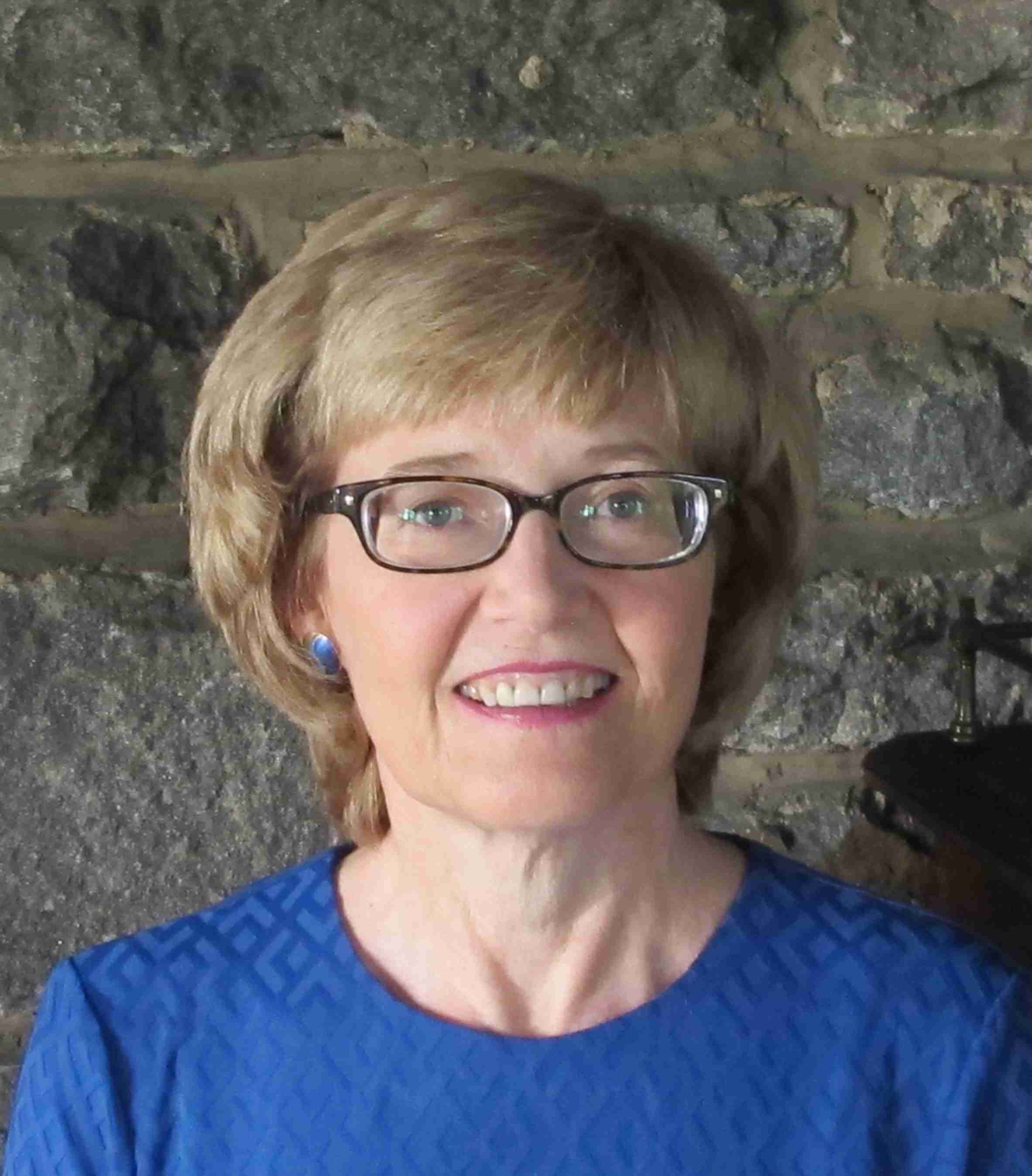
Diana Schaub
Ironstone
The political thought of Frederick Douglass began from a position of radical alienation. For the first decade of his career as an abolitionist, from 1841 to 1851, Douglass called for the overthrow of the government, declaring that he wished to see the “Constitution shivered in a thousand fragments.” Then, in 1851, Douglass dramatically renounced his previous views and declared his allegiance to the U.S. Constitution. Douglass’s first great speech after this conversion is perhaps his best known speech: “What to the Slave Is the Fourth of July?” The lecture will examine the process by which Douglass became a patriot — balancing grievance and gratitude in a way that could serve as a model for Americans today.
February 27, 2026 10:30 am to 11:30
am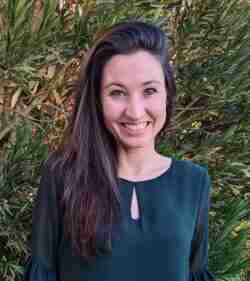
Christen Arbogast
Colonnade
What can the structure of a sentence tell us about the greater meaning of text? Teaching grammar can be difficult in the lower schools, not only because students are expected to know the categories and functions of words, but also because students often don't see the purpose behind such knowledge. Understanding that grammar helps students look closer at a text, the study of grammar can open sentences to greater clarity and beauty. In this workshop, participants will work through a pedagogical philosophy of teaching grammar and see how understanding form and structure unlocks the deeper beauty behind great sentences in children's classic literature.
February 27, 2026 10:30 am to 11:30
am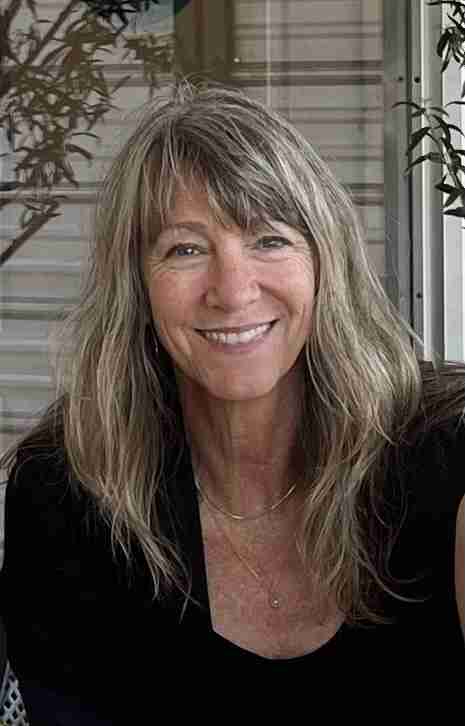
Lisa Ann Dillon
Capistrano
Are you asking yourself if you are doing enough, getting it right, meeting the needs of all your students and hitting all the classical benchmarks you have set? Midyear, this is where many teachers land and you can find yourself losing the spark with which you began the year. Sometimes, we just get things out of focus. In this session, you are invited to recalibrate the sites through which you see your students and yourselves. Through the lens of wonder and curiosity, we can identify the most important First Things for you to concentrate on. By initiating liturgical rhythms both in your classroom and in your life outside of work, you can get back into the right rhythm. This session will provide you with practical ideas keeping the concepts of renewed energy, real solutions to challenges, and a solid list of things to try on Monday morning. As teachers, you have the best solutions. We’ll hold space for identification and brainstorming enhanced by some tips and tricks I have learned from nearly 30 years in the classroom. Some of this will include ways to incorporate repetitio mater memoriae (repetition is the mother of memory) into your daily transitions, decreasing misbehavior and increasing the minutes you have in a day! Let’s get you re-energized for the rest of your school year and hopefully even for life!
February 27, 2026 10:30 am to 11:30
am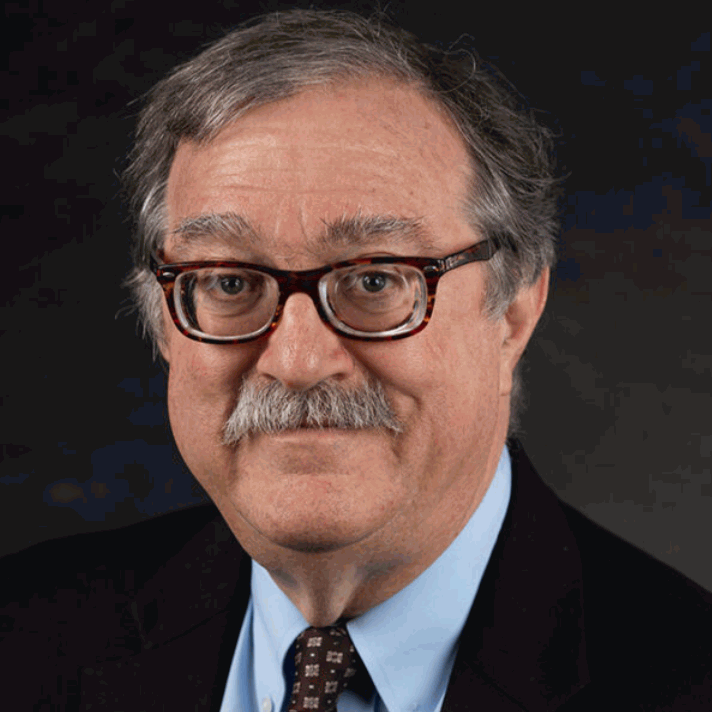
Wilfred McClay
Palm Ballroom
We are approaching a momentous landmark in American history, our 250th anniversary as an independent nation. How should we be thinking about the meaning of the 250th, both as a vital topic for the formation of young American citizens-to-be, and as an event in the unfolding Western tradition? This workshop will examine these and other issues related to the 250th anniversary of the United States, and why it is still right to call America a land of hope.
February 27, 2026 10:30 am to 11:30
am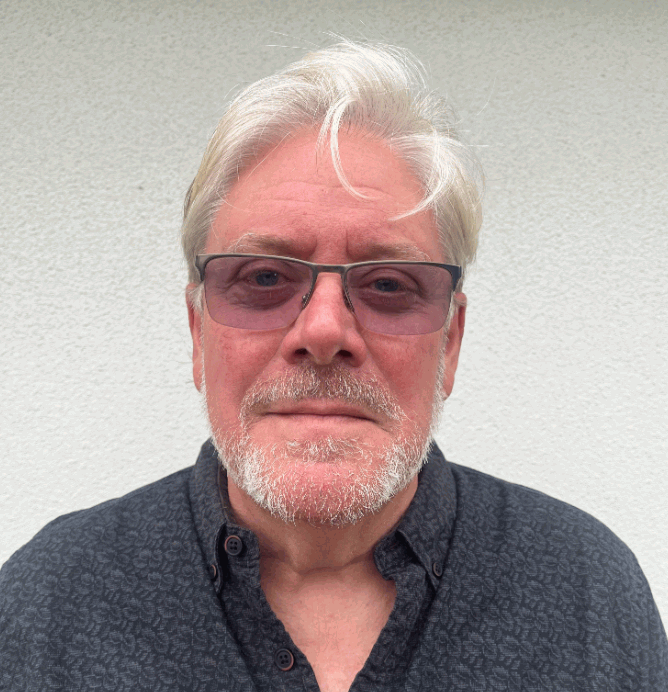
Nick Hutchison
Jokake
Nick Hutchison teaches Shakespeare in Drama Schools and Colleges across the Globe (and indeed at the Globe in London), and brings new life to what can be a dry and off-putting exercise. In this lively, interactive workshop he will look at ways of teaching the plays which will inspire, enlighten and enthuse students in ways far removed from conventional approaches to Shakespeare, and encourage them to find their own journeys into these wonderful plays.
February 27, 2026 11:30 am to 11:45
amFebruary 27, 2026 11:45 am to 12:45
pm
Jessica Kaminski
Cavetto
Let’s take a guided tour through the Numbers in Base Ten concepts from Kindergarten through Grade 8, revealing the carefully sequenced development of number sense. Participants will explore how learning trajectories illuminate the conceptual journey students take as they build procedural fluency, deepen understanding, and apply mathematical reasoning. By tracing this arc of content, educators will gain insight into where their instruction fits within the broader progression and how to support students in making meaningful mathematical connections across the grades. This session is ideal for those seeking a clearer picture of how operations are developed and how to meet students who are at varying levels of understanding.
February 27, 2026 11:45 am to 12:45
pm
Jake Tawney
Xavier
The House of Representatives has always been something of the “people’s house” in the legislative branch of American government. Its membership is determined by population and popular vote. The Constitution of the United States says that the actual number of seats given to each state should be “according to their respective Numbers,” which hints at proportionality. However, the Constitution is strangely silent on how this calculation is to be carried out. The heart of the matter is a mathematical problem with massive political ramifications. While politics is always interesting and complicated, in this case, the mathematics gives the politics a run for its money. How did the Framers and the early statemen set about to allocate seats in the House of Representatives? How did that method change with the passing of each decennial census? More importantly, how did existing political realities influence the choice of method, and how did the choice of method influence future politics? Finally, why do we not hear about this controversy much today? This talk is a short narrative history that will explore these and other questions as we consider the problem of apportionment in the House of Representatives.
February 27, 2026 11:45 am to 12:45
pm
Corinne Jacobson
Ironstone
Students flourish when they are invited to share in the responsibility of their own learning journey. In this session, participants will explore pedagogical practices that support students in carrying the intellectual and emotional weight of learning, while sparking wonder that sustains their effort. Through examples, discussion, and reflection, we will consider how teachers can cultivate classroom cultures where rigor and joy work together to form resilient, curious learners.
February 27, 2026 11:45 am to 12:45
pm
Peter McNamara
Augustine
Franklin's Autobiography is multilayered. Franklin was a genius but he did not simply write for geniuses or even potential geniuses. He wrote also for the common man and without condescension. The challenge of reading and teaching Franklin is to do justice to both sides of Franklin's teaching.
February 27, 2026 11:45 am to 12:45
pm
Jerilyn Olson
Joshua Tree
Classical Education should always give due honor to the Trivium, yet its application in modern K–12 schools can vary widely. Is the Trivium best understood as a framework for language instruction alone? Should we, following Dorothy Sayers, see it primarily as a model of child developmental stages? Can we view each academic discipline as having its own grammar, logic, and rhetoric? This session will explore these questions and consider practical ways to integrate the Trivium across subjects and grade levels.
February 27, 2026 11:45 am to 12:45
pm
Heather Washburn
Capistrano
Great Hearts transforms challenges into opportunities through its refined Academic Improvement Framework. After two decades of proving that all children are classically educable, we have developed a powerful three-tier support system that ensures no academy stands alone. This presentation highlights the practical tools and collaborative processes that identify schools in need, mobilize targeted resources through steering committees and working teams, and chart measurable pathways to improvement — all while staying true to our classical mission. Whether you are a headmaster, regional leader, or teacher, you’ll gain actionable insights into how data-informed assessments, strategic goal-setting, and coordinated professional development sustain excellence across our network —because when one academy thrives, we all thrive.
February 27, 2026 11:45 am to 12:45
pm
Anthony Fredette
Thaddeus Cornell
Colonnade
The session will comprise four major arguments about why Latin is beneficial (and should be a required subject) for all students at classical schools, even those from academically disadvantaged backgrounds:
1) Latin, at most schools, represents for students disadvantaged vis-à-vis English a sort of academic “fresh start;” it is a rare example of a subject after Kindergarten in which students have a new opportunity to be excellent, starting with the fundamentals.
2) Latin continues to afford students a privileged inroad into learning advanced English vocabulary, the knowledge of which is important for reading advanced literature (not to mention college admissions essays, standardized texts, etc.). Crucially, this vocabulary instruction presumes less prior linguistic knowledge and, if taught well, strains the memory less than it would in an English class, in which the concrete, physical etymology of such words is less apparent.
3) Latin also continues to give students a synoptic view of the way in which languages as a whole are structured, and it does so by periodically examining it as a system “from the outside;” because of the fact that it is no student’s native language, and because it is so heavily inflected, it spurs reflection on the deep structures underlying human language as such.
4) At a classical, liberal arts school, Latin provides students with unique access to the rest of the curriculum, familiarizing them with stories encountered in other classes, and giving them the lexical and grammatical toolset which will make their thinking and writing about canonical literature more intellectually rigorous.
February 27, 2026 11:45 am to 12:45
pm
San Pedro
In 1796, during his final year as president of the United States, George Washington called on the United States Congress to establish a national university, a “primary object” of which, he said, should be “the education of our Youth in the science of Government.” The purpose of this panel is to discuss the place of teaching Civics in a Classical Education. How should it be taught and to what ends?
February 27, 2026 03:30 am to 10:00
am
Christopher Perrin
Palm Ballroom
The tradition of classical, liberal arts education in America was present from the beginning of the nation and before. Both the flowers and seeds of this tradition were carried forth across the Atlantic in the Ninta, the Pinta, and the Santa Maria. The tradition was embedded in the Mayflower Pact and in the governing norms of the Massachusetts Bay colony. It can be seen flourishing in the Federalist Papers and in the Constitution – what Chesteron called the creed upon which the United States was founded. In this presentation, we will trace the flowering of this tradition, noting the ways in which American education flourished and then slowly withered; but then also noting the ways it is remerging with new vitality, like those perennials that seem to disappear in the winter only to come back in the spring in greater numbers.
February 25, 2026 12:00 pm to 06:00
pm
Lobby
February 25, 2026 01:00 pm to 02:00
pmFebruary 25, 2026 02:00 pm to 03:00
pm
Jake Tawney
Xavier
With more and more classical schools coming into existence, there is an increased need to answer the basic question: What is classical education? Although there are notable differences from one implementation to another, there are also key core characteristics. Join Jake Tawney, Chief Academic Officer for Great Hearts Academies, on a tour through the seven liberal arts, the foundation of classical education, and the basic principle guiding the content and pedagogy of each discipline.
February 25, 2026 02:00 pm to 03:00
pm
William Perales
Capistrano
It is 1776 and the Second Continental Congress has asked a group of five men to draft a document declaring independence. Who are these five men? Why were they chosen? Were there others qualified to do so? If there were five men, why is Thomas Jefferson credited with drafting the Declaration of Independence? In this session, participants will experience a classical lesson that presents the spirit of 1776 and the drafting of the Declaration of Independence under the aspect of wonder. Participants will learn key components of a classical lesson and how to design their own classical lesson.
February 25, 2026 02:00 pm to 03:00
pm
Andrew Pudewa
San Pedro
Because artificial intelligence is now able to instantly do extensive research, create content with sophisticated vocabulary and reliably correct grammar, and even act as a proxy for individual thought, is it less—or more—important to cultivate these distinctly human arts of language in our students today? If the latter is true, why? And how can we do so while recognizing that our students live in a brave new information economy that will undoubtedly continue to expand its power to atrophy the skills it replaces? This presentation will explore the vital roles of reading, conversation, and writing as tools to foster curiosity, creativity, ethical decision-making, and meaningful interpersonal communication.
February 25, 2026 02:00 pm to 03:00
pm
Zachary German
Cavetto
In this seminar, we will examine an address, known as "The Lyceum Address" or "The Perpetuation Address," that a young Abraham Lincoln delivered in 1838. In this speech, Lincoln outlines the threat that he perceives to the survival of American institutions, proposes a solution that he calls "political religion," and considers how great ambition and the fading of civic memory over time pose challenges for sustaining commitment to the American constitutional order. As we commemorate America's 250th birthday, this session gives us the opportunity to reflect on the insight Lincoln may offer with respect to maintaining the American experiment moving forward.
February 25, 2026 02:00 pm to 03:00
pm
David Jackson
Jokake
This talk will examine the etymological origins of the Declaration of Independence, providing a lexical analysis of the text as well as a detailed explanation of the Latinate vocabulary and word choice expressed in the document. The session will also include materials on teaching a lesson on this topic (geared toward middle and high school aged students).
February 25, 2026 02:00 pm to 03:00
pm
Jennifer Ramirez
Mary Chin
Ironstone
We will read a short excerpt from Norms and Nobility and have seminar discussions through the lens of instructional coaching. If teachers can only teach from who they are, what they love, and what they know, how do we best support them as they engage in life-long learning? What are the roadblocks for teacher learning and how can a coach help dismantle them? No pre-work required; come with curiosity and your experience and we look forward to an energetic and thoughtful conversation.
February 25, 2026 02:00 pm to 03:00
pm
Heather Washburn
Joshua Tree
Classical education is increasingly reaching every child, affirming that the Great Books and the Great Conversation are the educational birthright of all. Guided by the vision of education as a means of intellectual cultivation for every student, the conviction that the best education should be universally accessible, and the principle that a single rigorous curriculum can unite rather than divide, this talk explores how schools are making Plato, Shakespeare, and Frederick Douglass accessible to all, while preserving the rigor and depth that make classical learning transformative. At once a philosophical celebration of education’s higher purposes and a practical roadmap for educators, the session demonstrates how classical education can serve every child, regardless of background or zip code.
February 25, 2026 03:00 pm to 03:15
pmFebruary 25, 2026 03:15 pm to 04:15
pm
Jerilyn Olson
Joshua Tree
K-5 teachers often wonder how the Socratic Method applies in a K-5 classroom – are kindergartners really supposed to seminar on Aristotle? In this workshop, we will discuss lesson planning with inquiry in mind, unit introductions that inspire wonder, and the questions that follow. For Great Hearts Staff: Please note that this is the same workshop offered at Great Hearts New Faculty Orientation.
February 25, 2026 03:15 pm to 04:15
pm
Andrew Carico
Jokake
Can a free nation survive without patriotic citizens? A proper love of country is essential for a nation’s endurance. Patriotism is often nurtured in institutions such as the family and local community—but what is the appropriate role of American K–12 schools in cultivating patriotism and preparing future generations of patriotic citizens? Moreover, what sources can help us thoughtfully engage this question?
This workshop explores the role of education in fostering what Ronald Reagan called an informed patriotism—a virtuous patriotism that exists between both an excessive and deficient love of country. Drawing on original sources from political philosophy, the American Founding, and Abraham Lincoln, this workshop explores specific ways that patriotism can be meaningfully incorporated both within the framework of a school’s daily programming and within secondary course curriculum.
February 25, 2026 03:15 pm to 04:15
pm
Cammie Passey
Cavetto
Mike Austin and Cammie Passey will host a poetry seminar investigating the meaning expressed by poetic form. In a comparison of contrasting structures, we'll explore how poetic devices such as meter and rhyme convey significance and shape interpretation. Physical copies of the texts will be provided for attendees. Come kick off your Symposium experience by engaging in enriching conversation centered on poetry of the American Experiment.
February 25, 2026 03:15 pm to 04:15
pm
Ian Rowe
Joshua Dunn
Olivia Gross
Dolores
How does constitutional law fit within a classical curriculum? High School Law Review invites students to grapple with Supreme Court cases through close reading, structured debate, and publication in school-based law reviews. This workshop will demonstrate how the program works in a school setting and how it reinforces the classical emphasis on logic, rhetoric, and dialectic. We will also consider the importance of rewarding students’ investment in these values, through network and state-wide reviews that recognize top student work. Together we’ll explore how legal study sharpens critical thinking, nurtures civic literacy, and models respectful disagreement—equipping students to pursue truth with rigor and humility.
February 25, 2026 03:15 pm to 04:15
pm
Jonathan Gregg
Capistrano
While many of the primary drivers of classical pedagogy -- the Socratic method, the liberal arts, etc. -- trace their roots to more ancient sources, the principles of the American founding -- liberty, federalism, equality, etc. -- provide an equally compelling ground from which to derive the principles of high-quality teaching. That is, while we may not want to copy-paste the exact educational methods from early American schools, we should feel compelled to teach in light of the ethos of the founding fathers, inheriting, preserving, and passing down the spirit with which our country was born. This session promises to articulate a set of American classical pedagogical principles and then provide teachers practical guidance for how those principles might be enacted in K-12 classrooms across all subjects and grade levels.
February 25, 2026 03:15 pm to 04:15
pm
ANDREW ZWERNEMAN
Xavier
History is a liberal discipline within the humanities. Proper to its distinctive scope, history cultivates knowledge of the past and practical wisdom concerning our responsibilities in the present, enables a society to exist across generations, and fosters sympathies that bind a citizenry, even one as diverse as America’s. This workshop explores effective ways to teach American history toward all three objectives unique to history as a field of humane studies.
February 25, 2026 03:15 pm to 04:15
pm
Tammy Morrow
San Pedro
Those of us who are involved in classical liberal arts education are convinced that this education is essential for sustaining a healthy democratic society. This conviction leads us to consider how we can offer a classical liberal arts education to children who live in remote or rural areas of our nation, where brick and mortal classical schools are unavailable to them. More and more, we are seeing this question answered through online classical schools. The concept of online schools, which often utilize asynchronous education, can create tension with certain aspects of the classical tradition. In this workshop, we will consider how we can evoke and nurture a sense of wonder in our online scholars. We will consider how our online scholars can join into conversation with each other and with the Western Tradition.
February 25, 2026 03:15 pm to 04:15
pm
Jennifer Ramirez
Mary Chin
Ironstone
We will read a short excerpt from Norms and Nobility and have seminar discussions through the lens of instructional coaching. If teachers can only teach from who they are, what they love, and what they know, how do we best support them as they engage in life-long learning? What are the roadblocks for teacher learning and how can a coach help dismantle them? No pre-work required; come with curiosity and your experience and we look forward to an energetic and thoughtful conversation.
February 25, 2026 03:15 pm to 04:15
pm
Angel Adams Parham
Diana Smith
Augustine
Anna Julia Cooper fulfills the remarkable promise of America, a land where a person furthest from opportunity can be a tremendous success. Born into slavery and eventually earning a doctorate at the Sorbonne, Dr. Cooper lived a life committed to the notion that a classical education should be the curriculum for all people. She led a school and a university devoted to her belief in classical education and she proved in her person that to be classically trained is to be free. In this session, participants will learn about Dr. Cooper's remarkable biography and participate in a seminar focused on one of her educational treatises. Participants will leave with resources for teaching about Dr. Cooper and with an appreciation for the power of classical education to speak to all people at all times.
February 25, 2026 04:15 pm to 06:00
pmFebruary 25, 2026 02:00 pm to 04:30
pm
Mandi Gerth
Delores
In 2025, Laura Ingalls Wilder’s Little House on the Prairie celebrated its 90th anniversary. This beloved classic remains central to the Great Hearts elementary school canon alongside Little House in the Big Woods and Farmer Boy. Even as it becomes increasingly harder for our scholars to imagine the life of an American pioneer, we continue to point our students to the civic and moral virtue which shapes our national character, virtues we see in the Ingalls family. In this workshop, we will look at ways the Little House series shapes the moral imagination of our scholars by taking them inside unique struggles faced by this lovable family on the Western frontier of America. As Laura herself said, “the way we live and [our] schools are much different now, so many changes have made living and learning easier. But the real things haven’t changed. It is still best to be honest and truthful; to make the most of what we have; to be happy with simple pleasures and to be cheerful and have courage when things go wrong.”
February 25, 2026 07:30 pm to 09:00
pmFebruary 26, 2026 07:30 am to 03:15 pm
Lobby
February 26, 2026 08:30 am to 10:00 am
DOUG LEMOV
Palm Ballroom
The educational psychologist Daniel Willingham notes that we have learned more about how people learn in the last 25 years than in the previous 2500 and yet much of that learning remains under utilized in our schools and classrooms - and nowhere is that more true than in the area of reading. In this talk, Doug Lemov will summarize seven key research-backed principles that should guide reading instruction "post phonics" - that is, after students have learned their letter sound correspondence through systematic, synthetic phonics - and he spends a little extra time discussing perhaps the most surprising of the seven principles - the idea that reading books - whole books, great ones, together as a class - is one of the most important things teachers can do to foster achievement and knowledge.
February 26, 2026 10:00 am to 10:30
amFebruary 26, 2026 10:30 am to 11:30 am
Alexis Mausolf
Augustine
The ideals expressed in the Declaration of Independence reverberate down the ages and find their echoes in well-known American tales of those such as Paul Revere, Johnny Appleseed, Rip Van Winkle, and Paul Bunyan. In this workshop, learn how the legends and folktales native to American soil have helped shape our national identity and values since this nation’s inception, and how they can continue to form your students’ moral imaginations. You will be provided with practical ideas for approaching American folklore in the K-5 classroom, and concrete ways to weave it into the various subjects you teach, in order to expand your students’ knowledge and sensibilities, and to prepare them for lives of virtuous citizenship.
February 26, 2026 10:30 am to 11:30 am
Sofia Rigolon
Colonnade
As the United States prepares to celebrate the 250th anniversary of the Declaration of Independence, educators have a unique opportunity to explore classical literature through an inclusive and interdisciplinary lens. The Wind in the Willows by Kenneth Grahame, a beloved classic, offers rich themes of community, freedom, and responsibility—making it an ideal text for integrating social studies concepts while ensuring accessibility for diverse learners.
This session will provide educators with strategies to create classical curricula that is inclusive of exceptional learners that incorporate social studies themes such as governance, civic responsibility, and cultural perspectives. Attendees will explore how The Wind in the Willows can serve as a bridge to discussions on democracy, leadership, and the evolving ideals of independence, both in literature and historical contexts.
February 26, 2026 10:30 am to 11:30 am
James Tanton
San Pedro
Every few years, a seemingly simple math challenge circulates on social media, sparking heated debates and passionate disagreements. This viral puzzle not only divides opinions but also unveils society’s perceptions of mathematical thinking, the definition of “success” in learning mathematics, and the purpose of mathematical activity itself.
The challenge? It asks:
What is the value of 8 ÷ 2(2 + 2)?
In this talk, we will unpack this “innocent” internet puzzle to reveal deeper insights about mathematics. By examining its implications and the debates it inspires, we’ll explore a bold and transformative mathematical stance—one that challenges conventional expectations and offers a perspective entirely orthogonal to the assumptions embedded in the meme.
Join us as we uncover the profound beauty, extraordinary power, and undeniable relevance of mathematics in this playful yet thought-provoking exploration.
February 26, 2026 10:30 am to 11:30 am
Michael Zuckert
Ironstone
Lincoln frequently appealed to the Declaration - what did it mean to him? What did he think it meant to the Americans of 1860? What did it mean regarding slavery?
February 26, 2026 11:30 am to 12:30
pmFebruary 26, 2026 12:30 pm to 01:30 pm
Henry Olsen
Joshua Tree
All societies seek to educate their young in the ways and morays of their people. Throughout most of history, this meant instruction in the specific manners, laws, and customs practiced in the tribe, the clan, or the nation. But America was from its outset a different nation, a Novo Ordo Seclorum, and as such required a different sort of education.
America is ultimately a nation based on an idea that all tribes, clans, or nations share a common humanity and are subject to common rules. Thus, instruction in the specific manners and customs of America necessarily requires instruction in the discovery and understanding of those common elements of life and existence.
That is precisely what classical education seeks to achieve. It inculcates reasoning rather than rote learning, inquiry rather than obedience, and a search for truth that can be proven to and accepted by all rather than an assertion that what is believed by Americans is simply true.
Classical education is not reliant on an established canon of texts, although certain texts have proven to be more instructive than others in leading their readers toward the good, the true, and the beautiful. It is not a revealed religion; it is an ongoing journey based on a core principle.
In that sense, classical education is indispensable to American identity and its future.
Modern deviations from that model are all essentially merely modern versions of the ancient modes of establishing particular truths based on assertion and force. The trend toward denying biological truths, toward asserting there are certain types of sciences, and toward classifying individuals according to immutable physical characteristics are all adaptations of the antique idea that the opinions regnant in any particular city are true for all cities regardless of their foundation in evidence or argument that members of other cities can be persuaded to adopt. These modern versions of "education" are thus fatal to the American regime.
Only a return to the classical approach can renew and reaffirm America's promise and identity.
February 26, 2026 12:30 pm to 01:30 pm
Jessica Kaminski
Cavetto
Mathematics is unchanging in its beauty. It’s a discipline that helps us make sense of the world through logic, precision, and truth. Yet throughout the American experiment, math instruction has often been shaped by passing trends rather than enduring principles. In this session, we’ll look to Singapore, a global leader in mathematics education, for four timeless strategies that support deep understanding and lasting success: an upward spiral curriculum, a balance of conceptual and procedural knowledge, research-based teaching practices, and an emphasis on problem-solving. While we cannot fully replicate Singapore’s system, we can apply these core principles to meet the needs of our unique students, guiding them toward truth through the logical beauty of mathematics.
February 26, 2026 12:30 pm to 01:30 pm
Liliana Worth
Colonnade
Hadar Jewish Classical Academy is pioneering a rigorous Hebrew immersion program for mostly students from English-speaking homes that exposes and engages children as young as three in a Hebrew-speaking environment to maximize the language acquisition capacity of young minds. Our Pre-K and K sections offer almost full immersion in Hebrew during the school day with minimal instruction time in English allotted to basic numeracy and literacy. As the students move up the grades they continue with their Hebrew immersion for Jewish studies, Hebrew literature and Hebrew conversation and Israeli studies, within a framework that establishes a strong framework at the younger years and tapers off to allow more time for core classical English-speaking instruction in Math, English, History and Latin. Even within our first two years of the immersion program we have noted remarkable benefits: in addition to developing their second language proficiency, we have observed that our students show tendencies that suggest bilingual language processing, a stronger ability to navigate academic challenges and ambiguous environments, good linguistic sensitivity in English, and an openness to learning additional languages such as Latin. Finally, the provision of Hebrew allows our students to engage with the most ancient tradition and heritage of the West and access the scriptures and philosphy at the roots of our American classical education.
February 26, 2026 01:30 pm to 01:45
pmFebruary 26, 2026 01:45 pm to 02:45 pm
Susan McWilliams Barndt
Colonnade
The most cited piece of literature in the political speeches, sermons, and publications of the American founding is not a work of Enlightenment scholarship. It's not a work of modern political philosophy. In fact, it's about as far from a modern piece of writing as a piece of writing. The most cited piece of literature in the American founding is the biblical story of the Exodus - and it's not a close competition.
In this talk, I'll reveal the important and often surprising role that the ancient story of the Exodus played in the American founding, particularly during the first week of July in 1776. I'll also talk about what we can learn about American politics and history if we come to appreciate the place of the ancient Exodus, not just in the American founding but in American political thought (and particularly African-American political thought) more generally.
February 26, 2026 01:45 pm to 02:45 pm
James Stoner
Joshua Tree
Historians and other scholars have debated whether the Constitution fulfills or betrays the promise of the Declaration. Usually the question is put in general terms: Is the Constitution sufficiently democratic? Do its protections for property, especially slavery, contradict the idea that "all men are created equal?" Does its accommodation of state sovereignty undermine the revolutionary action of one people?" I will focus more particularly on the two documents themselves and will show that every violation alleged in the Declaration's list of grievances is guarded against by a specific provision of the Constitution or the Bill of Rights. Establishing the fidelity of the Constitution on particulars of political and personal liberty will bring fresh perspective to the larger question of its emancipatory potential, later fulfilled by the Civil War Amendments.
February 26, 2026 01:45 pm to 02:45 pm
Vigen Guroian
Abbey South
Workshop on Little Red Riding Hood. As I have done in past years with other fairy tales, I will take you through a careful reading of this well-known fairy tale, and surprise you with the profound religious and moral meaning that the Grimms put into it. And as in the past, there will be lots of room for questions and discussion. I also will present you with a surprise version of the story that brings it back home to America. I think we will have some fun with this.
February 26, 2026 02:45 pm to 03:30
pmFebruary 26, 2026 03:30 pm to 04:30 pm
Robert Pondiscio
Augustine
Long before children decode their first words, they are acquiring the vocabulary, background knowledge, and habits of mind that will make fluent reading possible. This session explores how rich read-alouds and carefully chosen picture books build language proficiency and cultural literacy in the early years. We’ll consider how picture books expand vocabulary, sharpen narrative sense, and cultivate shared knowledge - and how teachers can use them to prepare students for more demanding texts.
February 26, 2026 03:30 pm to 04:30 pm
Brian Williams
Xavier
Despite their ubiquity and widespread acceptance in contemporary education, formal grading systems are relatively recent innovations in the history and philosophy of education. Far from innocuous tools which aid the student’s academic development, grades and grading systems developed as ad hoc tools for ranking students against one another in academic competitions.
This talk will examine the history of assessment, grades, and grading in light of the longer tradition of education and suggests alternative practices could better orient students toward the true, good, and beautiful. By understanding how and why contemporary approaches to grades developed, classical educators will be equipped to mitigate the unintended and often unseen adverse consequences grades have on their students. Hopefully, the session will liberate teachers and students to pursue the intrinsic goods of learning over against the fleeting and extrinsic rewards of making the grade.
February 26, 2026 03:30 pm to 04:30 pm
Marisa Cook
Jokake
Did you know that some studies have found that on average, teachers spend at least 89% of the lesson talking? Have you ever done your best learning while listening to someone talk this much? This session will focus on why students learn best when we transfer the heavy lifting onto the students and how learning is a consequence of thinking. We will cover different strategies that will allow your students to fully engage in the material while simultaneously providing you a window into their thinking, long before you give an assessment!
February 26, 2026 03:30 pm to 04:30 pm
Stephen Knott
San Pedro
This talk will examine the critical role played by two key statesmen from the founding era: George Washington and Alexander Hamilton. The extraordinary relationship between Washington and Hamilton shaped not only the contours of presidential power but all aspects of the American experiment.
I will argue that Washington and Hamilton forged the indispensable alliance of the early republic, and in so doing, created “an empire . . . in many respects the most interesting in the world.” Both men fought to convince their fellow citizens to abandon parochial interests and “think continentally.” These men were the leading nationalists of the founding generation: they wanted the citizenry to think of themselves as Americans, not as Virginians or New Yorkers.
Their partnership, founded on mutual respect despite occasional disagreements, endured through the revolution and contributed to building the nation's political and economic institutions. While serving as Washington’s aide-de-camp during the American Revolution, Hamilton played a critical role — not only in military matters but also by contributing ideas that would later influence the development of a strong central government. Together, Washington and Hamilton navigated the uncertainties of independence, blending pragmatism and principle as they confronted the practical realities of governance.
It is my belief that without George Washington and Alexander Hamilton, the American Revolution would likely have failed, as would the ratification of the U.S. Constitution. While Thomas Jefferson’s eloquent rhetoric continues to inspire, it was due to the nation-building efforts of these two statesmen that we can celebrate America’s semi quincentennial in 2026.
February 27, 2026 07:30 am to 01:00
pm
Lobby
February 27, 2026 10:00 am to 10:30
amFebruary 27, 2026 10:30 am to 11:30
am
Vigen Guroian
Augustine
On March 22, 1775 Edmund Burke, the great British statesman and political philosopher delivered his speech on "Conciliation with the Colonies" in Parliament. And while it came too late - just a month before the Battle of Lexington and Concord - to prevent the outbreak of war - it has been viewed since that time as a speech of immense political wisdom in which Burke profoundly demonstrates the importance of two fundamental virtues of politics: prudence and magnanimity. In my view, also, Burke's insight into the American character remained unrivaled by any commentator on it until de Tocqueville. Through the nineteenth century and early decades of the last century, Burke's speech was regularly taught in American schools as an example of the highest form of political rhetoric and as a lesson in history. I believe the speech helped shape the character and politics of many American leaders. In our day, we need to return to it. But not only are we going to look at "Conciliation with the Colonies" as a lesson in politics and history, we also are going to examine Burke's masterful use of rhetorical figures and devices that make it one of the most important speeches of British Parliamentary history.
I first was introduced to the speech in the best course I ever took as an undergraduate at the University of Virginia, Professor John Graham's "The Golden Age of British Rhetoric." I never left Burke or his speech behind. My doctoral dissertation included Burke as one of two figures in a study on politics and the moral life, the other being the twentieth century American theologian, Reinhold Niebuhr "On Conciliation..." is a very long speech, so I have excerpted some of the most salient portions for our examination.
February 27, 2026 10:30 am to 11:30
am
Shannon Richards-Nieves
Jason Moore
Abbey South
Every school has stories worth telling—but not every story is told in a way that captures attention, builds trust, and drives growth. In this workshop, participants will learn how to identify and shape stories that resonate both inside their school community and with the broader public.
We’ll explore practical strategies for creating headline-worthy content that maximizes your digital footprint. From writing compelling headlines that draw readers in, to incorporating SEO-friendly code snippets that boost visibility, you’ll walk away with concrete tools to make your school’s stories travel further and work harder online.
This workshop will highlight how storytelling serves a dual purpose: strengthening engagement with current families while reaching new audiences to support long-term enrollment growth. Whether you’re a school leader, marketer, or educator, you’ll leave with a framework for turning everyday school moments into meaningful, shareable narratives that connect with parents, donors, and the wider community.
February 27, 2026 10:30 am to 11:30
am
Josh Wilkerson
Sandra Schinetsky
Jonathan Gregg
What does it mean to teach mathematics classically? This question is often asked by not only math teachers in classical schools but also teachers in other content areas and school leaders. While there is some clarity about how to teach other content areas such as literature, history, and natural philosophy from a distinctively classical approach, there is much less in clarity and consensus when it comes to mathematics. In this workshop, attendees will first learn about the findings from an experiment that identifies what classical school educators think math classrooms should look like and how students themselves describe their math classrooms. Dr. Albert Cheng from the University of Arkansas will moderate the panel discussion about these findings with Dr. Jonathan Gregg of Hillsdale College and Dr. Josh Wilkerson and Sandra Stotsky, math teachers at the Regents School of Austin and directors of Restoring Mathematics. Attendees will have the opportunity to interact with the panel and consider how to implement with greater fidelity a classical vision of mathematics education in their classrooms. The aim of the workshop is to inspire imagination about what mathematics classrooms can and, perhaps, should look like in classical schools and to equip individuals to take steps to realize such classrooms.
February 27, 2026 10:30 am to 11:30
am
Erik Twist
Xavier
The classical renewal depends on one thing: people. Yet the movement faces an urgent and widening talent gap. In this session, Arcadia President Erik Twist will share a proven, system-level approach to solving the pipeline problem — from uncovering hidden teacher markets and forging recruitment pathways to building institutional infrastructure that attracts, supports, and retains mission-aligned educators. Drawing on Arcadia’s work with networks, dioceses, and new school launches nationwide, this session will offer practical tools and strategic insights for anyone serious about staffing the future of classical education. If you’re facing a talent crunch, don’t miss this.
February 27, 2026 10:30 am to 11:30
am
Carrie Eben
Christopher Perrin
Joshua Tree
Most of us have had at least one good teacher. If we have, we can still remember that teacher, and almost always because that teacher could teach very well and was simply a good and admirable person. In this seminar, we will explore the two ways that good teachers become good: 1) they are models of virtue that inspire students to imitate them and 2) they are good at the art of teaching or pedagogy.
In this seminar, Perrin and Eben will discuss the importance of modeling virtues like zeal for learning, intellectual curiosity, wonder, and humility and how to grow in these virtues; they will also note the key principles of pedagogy contained in their co-authored book, The Good Teacher: Ten Key Pedagogical Principles That Will Transform Your Teaching. And since good teaching has existed throughout history and place, this seminar will note some of the great American teachers from its founding to the present day.
February 27, 2026 10:30 am to 11:30
am
Tom Doebler
San Pedro
Following a rich discussion of how to create “doxological” classrooms of welcome in the first-ever preconference to the National Symposium for Classical Education (please see the symposium website for more information!), Tom will dive deeper into the concept of “the cult of normalcy” that saturates the modern vision of disability. Through a rough historical sketch and discussion, participants will come to understand how our society’s difficulty with human vulnerability paves the way for well-intentioned acts of cruelty. Ultimately, we will establish a connection between our philosophical anthropology and what we value, and consequently what (and more importantly who) we consider to be burdensome. Understanding this concept is at the root of changing our vision for creating schools of welcome, particularly for parents and teachers. As such, participants will also engage in a rich discussion of how to recast a vision of education for members of their community, especially the parents of students with learning needs and differences.
February 27, 2026 10:30 am to 11:30
am
Diana Schaub
Ironstone
The political thought of Frederick Douglass began from a position of radical alienation. For the first decade of his career as an abolitionist, from 1841 to 1851, Douglass called for the overthrow of the government, declaring that he wished to see the “Constitution shivered in a thousand fragments.” Then, in 1851, Douglass dramatically renounced his previous views and declared his allegiance to the U.S. Constitution. Douglass’s first great speech after this conversion is perhaps his best known speech: “What to the Slave Is the Fourth of July?” The lecture will examine the process by which Douglass became a patriot — balancing grievance and gratitude in a way that could serve as a model for Americans today.
February 27, 2026 10:30 am to 11:30
am
Christen Arbogast
Colonnade
What can the structure of a sentence tell us about the greater meaning of text? Teaching grammar can be difficult in the lower schools, not only because students are expected to know the categories and functions of words, but also because students often don't see the purpose behind such knowledge. Understanding that grammar helps students look closer at a text, the study of grammar can open sentences to greater clarity and beauty. In this workshop, participants will work through a pedagogical philosophy of teaching grammar and see how understanding form and structure unlocks the deeper beauty behind great sentences in children's classic literature.
February 27, 2026 10:30 am to 11:30
am
Lisa Ann Dillon
Capistrano
Are you asking yourself if you are doing enough, getting it right, meeting the needs of all your students and hitting all the classical benchmarks you have set? Midyear, this is where many teachers land and you can find yourself losing the spark with which you began the year. Sometimes, we just get things out of focus. In this session, you are invited to recalibrate the sites through which you see your students and yourselves. Through the lens of wonder and curiosity, we can identify the most important First Things for you to concentrate on. By initiating liturgical rhythms both in your classroom and in your life outside of work, you can get back into the right rhythm. This session will provide you with practical ideas keeping the concepts of renewed energy, real solutions to challenges, and a solid list of things to try on Monday morning. As teachers, you have the best solutions. We’ll hold space for identification and brainstorming enhanced by some tips and tricks I have learned from nearly 30 years in the classroom. Some of this will include ways to incorporate repetitio mater memoriae (repetition is the mother of memory) into your daily transitions, decreasing misbehavior and increasing the minutes you have in a day! Let’s get you re-energized for the rest of your school year and hopefully even for life!
February 27, 2026 10:30 am to 11:30
am
Wilfred McClay
Palm Ballroom
We are approaching a momentous landmark in American history, our 250th anniversary as an independent nation. How should we be thinking about the meaning of the 250th, both as a vital topic for the formation of young American citizens-to-be, and as an event in the unfolding Western tradition? This workshop will examine these and other issues related to the 250th anniversary of the United States, and why it is still right to call America a land of hope.
February 27, 2026 10:30 am to 11:30
am
Nick Hutchison
Jokake
Nick Hutchison teaches Shakespeare in Drama Schools and Colleges across the Globe (and indeed at the Globe in London), and brings new life to what can be a dry and off-putting exercise. In this lively, interactive workshop he will look at ways of teaching the plays which will inspire, enlighten and enthuse students in ways far removed from conventional approaches to Shakespeare, and encourage them to find their own journeys into these wonderful plays.
February 27, 2026 11:30 am to 11:45
amFebruary 27, 2026 11:45 am to 12:45
pm
Jessica Kaminski
Cavetto
Let’s take a guided tour through the Numbers in Base Ten concepts from Kindergarten through Grade 8, revealing the carefully sequenced development of number sense. Participants will explore how learning trajectories illuminate the conceptual journey students take as they build procedural fluency, deepen understanding, and apply mathematical reasoning. By tracing this arc of content, educators will gain insight into where their instruction fits within the broader progression and how to support students in making meaningful mathematical connections across the grades. This session is ideal for those seeking a clearer picture of how operations are developed and how to meet students who are at varying levels of understanding.
February 27, 2026 11:45 am to 12:45
pm
Jake Tawney
Xavier
The House of Representatives has always been something of the “people’s house” in the legislative branch of American government. Its membership is determined by population and popular vote. The Constitution of the United States says that the actual number of seats given to each state should be “according to their respective Numbers,” which hints at proportionality. However, the Constitution is strangely silent on how this calculation is to be carried out. The heart of the matter is a mathematical problem with massive political ramifications. While politics is always interesting and complicated, in this case, the mathematics gives the politics a run for its money. How did the Framers and the early statemen set about to allocate seats in the House of Representatives? How did that method change with the passing of each decennial census? More importantly, how did existing political realities influence the choice of method, and how did the choice of method influence future politics? Finally, why do we not hear about this controversy much today? This talk is a short narrative history that will explore these and other questions as we consider the problem of apportionment in the House of Representatives.
February 27, 2026 11:45 am to 12:45
pm
Corinne Jacobson
Ironstone
Students flourish when they are invited to share in the responsibility of their own learning journey. In this session, participants will explore pedagogical practices that support students in carrying the intellectual and emotional weight of learning, while sparking wonder that sustains their effort. Through examples, discussion, and reflection, we will consider how teachers can cultivate classroom cultures where rigor and joy work together to form resilient, curious learners.
February 27, 2026 11:45 am to 12:45
pm
Peter McNamara
Augustine
Franklin's Autobiography is multilayered. Franklin was a genius but he did not simply write for geniuses or even potential geniuses. He wrote also for the common man and without condescension. The challenge of reading and teaching Franklin is to do justice to both sides of Franklin's teaching.
February 27, 2026 11:45 am to 12:45
pm
Jerilyn Olson
Joshua Tree
Classical Education should always give due honor to the Trivium, yet its application in modern K–12 schools can vary widely. Is the Trivium best understood as a framework for language instruction alone? Should we, following Dorothy Sayers, see it primarily as a model of child developmental stages? Can we view each academic discipline as having its own grammar, logic, and rhetoric? This session will explore these questions and consider practical ways to integrate the Trivium across subjects and grade levels.
February 27, 2026 11:45 am to 12:45
pm
Heather Washburn
Capistrano
Great Hearts transforms challenges into opportunities through its refined Academic Improvement Framework. After two decades of proving that all children are classically educable, we have developed a powerful three-tier support system that ensures no academy stands alone. This presentation highlights the practical tools and collaborative processes that identify schools in need, mobilize targeted resources through steering committees and working teams, and chart measurable pathways to improvement — all while staying true to our classical mission. Whether you are a headmaster, regional leader, or teacher, you’ll gain actionable insights into how data-informed assessments, strategic goal-setting, and coordinated professional development sustain excellence across our network —because when one academy thrives, we all thrive.
February 27, 2026 11:45 am to 12:45
pm
Anthony Fredette
Thaddeus Cornell
Colonnade
The session will comprise four major arguments about why Latin is beneficial (and should be a required subject) for all students at classical schools, even those from academically disadvantaged backgrounds:
1) Latin, at most schools, represents for students disadvantaged vis-à-vis English a sort of academic “fresh start;” it is a rare example of a subject after Kindergarten in which students have a new opportunity to be excellent, starting with the fundamentals.
2) Latin continues to afford students a privileged inroad into learning advanced English vocabulary, the knowledge of which is important for reading advanced literature (not to mention college admissions essays, standardized texts, etc.). Crucially, this vocabulary instruction presumes less prior linguistic knowledge and, if taught well, strains the memory less than it would in an English class, in which the concrete, physical etymology of such words is less apparent.
3) Latin also continues to give students a synoptic view of the way in which languages as a whole are structured, and it does so by periodically examining it as a system “from the outside;” because of the fact that it is no student’s native language, and because it is so heavily inflected, it spurs reflection on the deep structures underlying human language as such.
4) At a classical, liberal arts school, Latin provides students with unique access to the rest of the curriculum, familiarizing them with stories encountered in other classes, and giving them the lexical and grammatical toolset which will make their thinking and writing about canonical literature more intellectually rigorous.
February 27, 2026 11:45 am to 12:45
pm
San Pedro
In 1796, during his final year as president of the United States, George Washington called on the United States Congress to establish a national university, a “primary object” of which, he said, should be “the education of our Youth in the science of Government.” The purpose of this panel is to discuss the place of teaching Civics in a Classical Education. How should it be taught and to what ends?
February 27, 2026 03:30 am to 10:00
am
Christopher Perrin
Palm Ballroom
The tradition of classical, liberal arts education in America was present from the beginning of the nation and before. Both the flowers and seeds of this tradition were carried forth across the Atlantic in the Ninta, the Pinta, and the Santa Maria. The tradition was embedded in the Mayflower Pact and in the governing norms of the Massachusetts Bay colony. It can be seen flourishing in the Federalist Papers and in the Constitution – what Chesteron called the creed upon which the United States was founded. In this presentation, we will trace the flowering of this tradition, noting the ways in which American education flourished and then slowly withered; but then also noting the ways it is remerging with new vitality, like those perennials that seem to disappear in the winter only to come back in the spring in greater numbers.
February 25, 2026 06:00 pm to 07:30
pm
Jeffrey Rosen
Palm Ballroom
For America 250, bestselling author and president of the National Constitution Center, Jeffrey Rosen explores the principles at the core of the American Idea. In his book, The Pursuit of Happiness, he shows how the Founders embraced the classical definition of happiness as being good rather than feeling good, the pursuit of long term virtue rather than short term pleasure. In The Pursuit of Liberty, Rosen shows how the clashing visions of Hamilton and Jefferson about how to balance liberty and power is a debate that continues to define—and divide—our country: Jefferson championed states’ rights and individual liberties, while Hamilton pushed for a strong Federal government and a powerful executive. Drawing on both books, Rosen will explore how Americans of different perspectives have continued to embrace the core principles of the American Idea – liberty, equality, government by consent, and the pursuit of happiness – even as they have disagreed about how to balance those principles throughout American history.
February 26, 2026 08:30 am to 10:00
am
DOUG LEMOV
Palm Ballroom
The educational psychologist Daniel Willingham notes that we have learned more about how people learn in the last 25 years than in the previous 2500 and yet much of that learning remains under utilized in our schools and classrooms - and nowhere is that more true than in the area of reading. In this talk, Doug Lemov will summarize seven key research-backed principles that should guide reading instruction "post phonics" - that is, after students have learned their letter sound correspondence through systematic, synthetic phonics - and he spends a little extra time discussing perhaps the most surprising of the seven principles - the idea that reading books - whole books, great ones, together as a class - is one of the most important things teachers can do to foster achievement and knowledge.
February 27, 2026 03:30 am to 10:00
am
Christopher Perrin
Palm Ballroom
The tradition of classical, liberal arts education in America was present from the beginning of the nation and before. Both the flowers and seeds of this tradition were carried forth across the Atlantic in the Ninta, the Pinta, and the Santa Maria. The tradition was embedded in the Mayflower Pact and in the governing norms of the Massachusetts Bay colony. It can be seen flourishing in the Federalist Papers and in the Constitution – what Chesteron called the creed upon which the United States was founded. In this presentation, we will trace the flowering of this tradition, noting the ways in which American education flourished and then slowly withered; but then also noting the ways it is remerging with new vitality, like those perennials that seem to disappear in the winter only to come back in the spring in greater numbers.
February 26, 2026 10:30 am to 11:30
am
James Tanton
San Pedro
Every few years, a seemingly simple math challenge circulates on social media, sparking heated debates and passionate disagreements. This viral puzzle not only divides opinions but also unveils society’s perceptions of mathematical thinking, the definition of “success” in learning mathematics, and the purpose of mathematical activity itself.
The challenge? It asks:
What is the value of 8 ÷ 2(2 + 2)?
In this talk, we will unpack this “innocent” internet puzzle to reveal deeper insights about mathematics. By examining its implications and the debates it inspires, we’ll explore a bold and transformative mathematical stance—one that challenges conventional expectations and offers a perspective entirely orthogonal to the assumptions embedded in the meme.
Join us as we uncover the profound beauty, extraordinary power, and undeniable relevance of mathematics in this playful yet thought-provoking exploration.
February 26, 2026 10:30 am to 11:30
am
Michael Zuckert
Ironstone
Lincoln frequently appealed to the Declaration - what did it mean to him? What did he think it meant to the Americans of 1860? What did it mean regarding slavery?
February 26, 2026 12:30 pm to 01:30
pm
Henry Olsen
Joshua Tree
All societies seek to educate their young in the ways and morays of their people. Throughout most of history, this meant instruction in the specific manners, laws, and customs practiced in the tribe, the clan, or the nation. But America was from its outset a different nation, a Novo Ordo Seclorum, and as such required a different sort of education.
America is ultimately a nation based on an idea that all tribes, clans, or nations share a common humanity and are subject to common rules. Thus, instruction in the specific manners and customs of America necessarily requires instruction in the discovery and understanding of those common elements of life and existence.
That is precisely what classical education seeks to achieve. It inculcates reasoning rather than rote learning, inquiry rather than obedience, and a search for truth that can be proven to and accepted by all rather than an assertion that what is believed by Americans is simply true.
Classical education is not reliant on an established canon of texts, although certain texts have proven to be more instructive than others in leading their readers toward the good, the true, and the beautiful. It is not a revealed religion; it is an ongoing journey based on a core principle.
In that sense, classical education is indispensable to American identity and its future.
Modern deviations from that model are all essentially merely modern versions of the ancient modes of establishing particular truths based on assertion and force. The trend toward denying biological truths, toward asserting there are certain types of sciences, and toward classifying individuals according to immutable physical characteristics are all adaptations of the antique idea that the opinions regnant in any particular city are true for all cities regardless of their foundation in evidence or argument that members of other cities can be persuaded to adopt. These modern versions of "education" are thus fatal to the American regime.
Only a return to the classical approach can renew and reaffirm America's promise and identity.
February 26, 2026 01:45 pm to 02:45
pm
Susan McWilliams Barndt
Colonnade
The most cited piece of literature in the political speeches, sermons, and publications of the American founding is not a work of Enlightenment scholarship. It's not a work of modern political philosophy. In fact, it's about as far from a modern piece of writing as a piece of writing. The most cited piece of literature in the American founding is the biblical story of the Exodus - and it's not a close competition.
In this talk, I'll reveal the important and often surprising role that the ancient story of the Exodus played in the American founding, particularly during the first week of July in 1776. I'll also talk about what we can learn about American politics and history if we come to appreciate the place of the ancient Exodus, not just in the American founding but in American political thought (and particularly African-American political thought) more generally.
February 26, 2026 01:45 pm to 02:45
pm
James Stoner
Joshua Tree
Historians and other scholars have debated whether the Constitution fulfills or betrays the promise of the Declaration. Usually the question is put in general terms: Is the Constitution sufficiently democratic? Do its protections for property, especially slavery, contradict the idea that "all men are created equal?" Does its accommodation of state sovereignty undermine the revolutionary action of one people?" I will focus more particularly on the two documents themselves and will show that every violation alleged in the Declaration's list of grievances is guarded against by a specific provision of the Constitution or the Bill of Rights. Establishing the fidelity of the Constitution on particulars of political and personal liberty will bring fresh perspective to the larger question of its emancipatory potential, later fulfilled by the Civil War Amendments.
February 26, 2026 03:30 pm to 04:30
pm
Brian Williams
Xavier
Despite their ubiquity and widespread acceptance in contemporary education, formal grading systems are relatively recent innovations in the history and philosophy of education. Far from innocuous tools which aid the student’s academic development, grades and grading systems developed as ad hoc tools for ranking students against one another in academic competitions.
This talk will examine the history of assessment, grades, and grading in light of the longer tradition of education and suggests alternative practices could better orient students toward the true, good, and beautiful. By understanding how and why contemporary approaches to grades developed, classical educators will be equipped to mitigate the unintended and often unseen adverse consequences grades have on their students. Hopefully, the session will liberate teachers and students to pursue the intrinsic goods of learning over against the fleeting and extrinsic rewards of making the grade.
February 26, 2026 03:30 pm to 04:30
pm
Stephen Knott
San Pedro
This talk will examine the critical role played by two key statesmen from the founding era: George Washington and Alexander Hamilton. The extraordinary relationship between Washington and Hamilton shaped not only the contours of presidential power but all aspects of the American experiment.
I will argue that Washington and Hamilton forged the indispensable alliance of the early republic, and in so doing, created “an empire . . . in many respects the most interesting in the world.” Both men fought to convince their fellow citizens to abandon parochial interests and “think continentally.” These men were the leading nationalists of the founding generation: they wanted the citizenry to think of themselves as Americans, not as Virginians or New Yorkers.
Their partnership, founded on mutual respect despite occasional disagreements, endured through the revolution and contributed to building the nation's political and economic institutions. While serving as Washington’s aide-de-camp during the American Revolution, Hamilton played a critical role — not only in military matters but also by contributing ideas that would later influence the development of a strong central government. Together, Washington and Hamilton navigated the uncertainties of independence, blending pragmatism and principle as they confronted the practical realities of governance.
It is my belief that without George Washington and Alexander Hamilton, the American Revolution would likely have failed, as would the ratification of the U.S. Constitution. While Thomas Jefferson’s eloquent rhetoric continues to inspire, it was due to the nation-building efforts of these two statesmen that we can celebrate America’s semi quincentennial in 2026.
February 27, 2026 10:30 am to 11:30
am
Diana Schaub
Ironstone
The political thought of Frederick Douglass began from a position of radical alienation. For the first decade of his career as an abolitionist, from 1841 to 1851, Douglass called for the overthrow of the government, declaring that he wished to see the “Constitution shivered in a thousand fragments.” Then, in 1851, Douglass dramatically renounced his previous views and declared his allegiance to the U.S. Constitution. Douglass’s first great speech after this conversion is perhaps his best known speech: “What to the Slave Is the Fourth of July?” The lecture will examine the process by which Douglass became a patriot — balancing grievance and gratitude in a way that could serve as a model for Americans today.
February 27, 2026 11:45 am to 12:45
pm
Jake Tawney
Xavier
The House of Representatives has always been something of the “people’s house” in the legislative branch of American government. Its membership is determined by population and popular vote. The Constitution of the United States says that the actual number of seats given to each state should be “according to their respective Numbers,” which hints at proportionality. However, the Constitution is strangely silent on how this calculation is to be carried out. The heart of the matter is a mathematical problem with massive political ramifications. While politics is always interesting and complicated, in this case, the mathematics gives the politics a run for its money. How did the Framers and the early statemen set about to allocate seats in the House of Representatives? How did that method change with the passing of each decennial census? More importantly, how did existing political realities influence the choice of method, and how did the choice of method influence future politics? Finally, why do we not hear about this controversy much today? This talk is a short narrative history that will explore these and other questions as we consider the problem of apportionment in the House of Representatives.
February 25, 2026 02:00 pm to 04:30
pm
Mandi Gerth
Delores
In 2025, Laura Ingalls Wilder’s Little House on the Prairie celebrated its 90th anniversary. This beloved classic remains central to the Great Hearts elementary school canon alongside Little House in the Big Woods and Farmer Boy. Even as it becomes increasingly harder for our scholars to imagine the life of an American pioneer, we continue to point our students to the civic and moral virtue which shapes our national character, virtues we see in the Ingalls family. In this workshop, we will look at ways the Little House series shapes the moral imagination of our scholars by taking them inside unique struggles faced by this lovable family on the Western frontier of America. As Laura herself said, “the way we live and [our] schools are much different now, so many changes have made living and learning easier. But the real things haven’t changed. It is still best to be honest and truthful; to make the most of what we have; to be happy with simple pleasures and to be cheerful and have courage when things go wrong.”
February 25, 2026 03:15 pm to 04:15
pm
Jerilyn Olson
Joshua Tree
K-5 teachers often wonder how the Socratic Method applies in a K-5 classroom – are kindergartners really supposed to seminar on Aristotle? In this workshop, we will discuss lesson planning with inquiry in mind, unit introductions that inspire wonder, and the questions that follow. For Great Hearts Staff: Please note that this is the same workshop offered at Great Hearts New Faculty Orientation.
February 26, 2026 10:30 am to 11:30
am
Alexis Mausolf
Augustine
The ideals expressed in the Declaration of Independence reverberate down the ages and find their echoes in well-known American tales of those such as Paul Revere, Johnny Appleseed, Rip Van Winkle, and Paul Bunyan. In this workshop, learn how the legends and folktales native to American soil have helped shape our national identity and values since this nation’s inception, and how they can continue to form your students’ moral imaginations. You will be provided with practical ideas for approaching American folklore in the K-5 classroom, and concrete ways to weave it into the various subjects you teach, in order to expand your students’ knowledge and sensibilities, and to prepare them for lives of virtuous citizenship.
February 26, 2026 10:30 am to 11:30
am
Sofia Rigolon
Colonnade
As the United States prepares to celebrate the 250th anniversary of the Declaration of Independence, educators have a unique opportunity to explore classical literature through an inclusive and interdisciplinary lens. The Wind in the Willows by Kenneth Grahame, a beloved classic, offers rich themes of community, freedom, and responsibility—making it an ideal text for integrating social studies concepts while ensuring accessibility for diverse learners.
This session will provide educators with strategies to create classical curricula that is inclusive of exceptional learners that incorporate social studies themes such as governance, civic responsibility, and cultural perspectives. Attendees will explore how The Wind in the Willows can serve as a bridge to discussions on democracy, leadership, and the evolving ideals of independence, both in literature and historical contexts.
February 26, 2026 12:30 pm to 01:30
pm
Jessica Kaminski
Cavetto
Mathematics is unchanging in its beauty. It’s a discipline that helps us make sense of the world through logic, precision, and truth. Yet throughout the American experiment, math instruction has often been shaped by passing trends rather than enduring principles. In this session, we’ll look to Singapore, a global leader in mathematics education, for four timeless strategies that support deep understanding and lasting success: an upward spiral curriculum, a balance of conceptual and procedural knowledge, research-based teaching practices, and an emphasis on problem-solving. While we cannot fully replicate Singapore’s system, we can apply these core principles to meet the needs of our unique students, guiding them toward truth through the logical beauty of mathematics.
February 26, 2026 12:30 pm to 01:30
pm
Liliana Worth
Colonnade
Hadar Jewish Classical Academy is pioneering a rigorous Hebrew immersion program for mostly students from English-speaking homes that exposes and engages children as young as three in a Hebrew-speaking environment to maximize the language acquisition capacity of young minds. Our Pre-K and K sections offer almost full immersion in Hebrew during the school day with minimal instruction time in English allotted to basic numeracy and literacy. As the students move up the grades they continue with their Hebrew immersion for Jewish studies, Hebrew literature and Hebrew conversation and Israeli studies, within a framework that establishes a strong framework at the younger years and tapers off to allow more time for core classical English-speaking instruction in Math, English, History and Latin. Even within our first two years of the immersion program we have noted remarkable benefits: in addition to developing their second language proficiency, we have observed that our students show tendencies that suggest bilingual language processing, a stronger ability to navigate academic challenges and ambiguous environments, good linguistic sensitivity in English, and an openness to learning additional languages such as Latin. Finally, the provision of Hebrew allows our students to engage with the most ancient tradition and heritage of the West and access the scriptures and philosphy at the roots of our American classical education.
February 26, 2026 01:45 pm to 02:45
pm
Vigen Guroian
Abbey South
Workshop on Little Red Riding Hood. As I have done in past years with other fairy tales, I will take you through a careful reading of this well-known fairy tale, and surprise you with the profound religious and moral meaning that the Grimms put into it. And as in the past, there will be lots of room for questions and discussion. I also will present you with a surprise version of the story that brings it back home to America. I think we will have some fun with this.
February 26, 2026 03:30 pm to 04:30
pm
Robert Pondiscio
Augustine
Long before children decode their first words, they are acquiring the vocabulary, background knowledge, and habits of mind that will make fluent reading possible. This session explores how rich read-alouds and carefully chosen picture books build language proficiency and cultural literacy in the early years. We’ll consider how picture books expand vocabulary, sharpen narrative sense, and cultivate shared knowledge - and how teachers can use them to prepare students for more demanding texts.
February 26, 2026 03:30 pm to 04:30
pm
Marisa Cook
Jokake
Did you know that some studies have found that on average, teachers spend at least 89% of the lesson talking? Have you ever done your best learning while listening to someone talk this much? This session will focus on why students learn best when we transfer the heavy lifting onto the students and how learning is a consequence of thinking. We will cover different strategies that will allow your students to fully engage in the material while simultaneously providing you a window into their thinking, long before you give an assessment!
February 27, 2026 10:30 am to 11:30
am
Christen Arbogast
Colonnade
What can the structure of a sentence tell us about the greater meaning of text? Teaching grammar can be difficult in the lower schools, not only because students are expected to know the categories and functions of words, but also because students often don't see the purpose behind such knowledge. Understanding that grammar helps students look closer at a text, the study of grammar can open sentences to greater clarity and beauty. In this workshop, participants will work through a pedagogical philosophy of teaching grammar and see how understanding form and structure unlocks the deeper beauty behind great sentences in children's classic literature.
February 27, 2026 10:30 am to 11:30
am
Lisa Ann Dillon
Capistrano
Are you asking yourself if you are doing enough, getting it right, meeting the needs of all your students and hitting all the classical benchmarks you have set? Midyear, this is where many teachers land and you can find yourself losing the spark with which you began the year. Sometimes, we just get things out of focus. In this session, you are invited to recalibrate the sites through which you see your students and yourselves. Through the lens of wonder and curiosity, we can identify the most important First Things for you to concentrate on. By initiating liturgical rhythms both in your classroom and in your life outside of work, you can get back into the right rhythm. This session will provide you with practical ideas keeping the concepts of renewed energy, real solutions to challenges, and a solid list of things to try on Monday morning. As teachers, you have the best solutions. We’ll hold space for identification and brainstorming enhanced by some tips and tricks I have learned from nearly 30 years in the classroom. Some of this will include ways to incorporate repetitio mater memoriae (repetition is the mother of memory) into your daily transitions, decreasing misbehavior and increasing the minutes you have in a day! Let’s get you re-energized for the rest of your school year and hopefully even for life!
February 27, 2026 11:45 am to 12:45
pm
Jessica Kaminski
Cavetto
Let’s take a guided tour through the Numbers in Base Ten concepts from Kindergarten through Grade 8, revealing the carefully sequenced development of number sense. Participants will explore how learning trajectories illuminate the conceptual journey students take as they build procedural fluency, deepen understanding, and apply mathematical reasoning. By tracing this arc of content, educators will gain insight into where their instruction fits within the broader progression and how to support students in making meaningful mathematical connections across the grades. This session is ideal for those seeking a clearer picture of how operations are developed and how to meet students who are at varying levels of understanding.
February 25, 2026 02:00 pm to 03:00
pm
David Jackson
Jokake
This talk will examine the etymological origins of the Declaration of Independence, providing a lexical analysis of the text as well as a detailed explanation of the Latinate vocabulary and word choice expressed in the document. The session will also include materials on teaching a lesson on this topic (geared toward middle and high school aged students).
February 25, 2026 03:15 pm to 04:15
pm
Andrew Carico
Jokake
Can a free nation survive without patriotic citizens? A proper love of country is essential for a nation’s endurance. Patriotism is often nurtured in institutions such as the family and local community—but what is the appropriate role of American K–12 schools in cultivating patriotism and preparing future generations of patriotic citizens? Moreover, what sources can help us thoughtfully engage this question?
This workshop explores the role of education in fostering what Ronald Reagan called an informed patriotism—a virtuous patriotism that exists between both an excessive and deficient love of country. Drawing on original sources from political philosophy, the American Founding, and Abraham Lincoln, this workshop explores specific ways that patriotism can be meaningfully incorporated both within the framework of a school’s daily programming and within secondary course curriculum.
February 26, 2026 10:30 am to 11:30
am
Jared Dybzinski
Capistrano
The classical vision for education believes actual Truth, Goodness, and Beauty exist outside the desires and formulations of the individual self. It believes this triad is real and timeless and waiting to shape – not be shaped by – the individual and community. This sets up a tension with an American literary tradition with a poet like Walt Whitman at its core – a poet who apotheosizes the individual, poetic voice in an attempt to speak for the people as a whole. American literature (and history and values) wrestles with the competing tensions, eventually producing a character like Fitzgerald's Jay Gatsby--the logical end of the unbounded American self. This workshop will spend half the time laying out the tension in American history and literature and the other half discussing what this means for classical educators rooted in a metaphysically realist version of the self instead of a nominalist one. How do we stay faithful to actual Truth, Goodness, and Beauty and the tradition passed on to us by the great thinkers and writers and artists in the midst of a cultural tradition at odds with some of these premises? The discussion should be lively and well worth an occasion celebrating the 250th anniversary of our noble nation’s founding.
February 26, 2026 10:30 am to 11:30
am
Guillermo Dillon
Dolores
As the United States marks its 250th anniversary, it is timely to revisit the intellectual roots of the American experiment, especially the crucial but often misunderstood role of Latin and classical learning in shaping the Founding Fathers’ vision for the nation. This talk will first illuminate how deeply the founders engaged with Latin, not merely as an academic exercise, but as a living tradition that informed their thinking, provided a common vocabulary, and connected them to the virtues and civic ideals of the ancient world. Thomas Jefferson, James Madison, and John Adams mastered Latin and read the great Roman historians, orators, and poets in the original language. For these men, classical education was a wellspring of wisdom, shaping their understanding of liberty, governance, and citizenship.
February 26, 2026 12:30 pm to 01:30
pm
Nick Hutchison

Jonathan Bate
Xavier
In honor of the anniversary of the Declaration of Independence, eminent Shakespearean editor, author and ASU Regents Professor Sir Jonathan Bate, and renowned theatre director and teacher Nick Hutchison present a dynamic workshop celebrating Shakespeare’s place in the American consciousness in the last 250 years, looking at prominent American Shakespearean actors and commentators from the Revolution onwards, discussing the place of the plays in a newly-independent nation and beyond, and considering the differing approaches to his works on either side of the Atlantic.
February 26, 2026 12:30 pm to 01:30
pm
Leah Murray
Ironstone
Teaching institutions within a classical education setting is important because it connects deep text-based learning to civic literacy, preparing students to become responsible citizens who understand the foundations of society and government. Classical education emphasizes knowledge for its own sake, critical thinking skills, and moral virtue, all of which are essential in guiding young people to appreciate the role of being people of good character so they can lead meaningful, flourishing lives. By studying the traditions that underpin institutions, students not only develop strong analytical abilities but also cultivate ethical perspectives that prepare them for self-governance and thoughtful participation in civic life. This session will engage participants in learning how to implement pedagogy that embeds an understanding of institutions in a text-based approach to learning civics.
February 26, 2026 01:45 pm to 02:45
pm
Betsy K. Brown McClelland
Capistrano
Join poet and teacher Betsy K. Brown in exploring two American sonnets, one classic and one new. Brown will lead several activities that can be replicated in the classroom and will focus on the question, what do these two sonnets teach us about being an American?
February 26, 2026 01:45 pm to 02:45
pm
Joelle Hodge
Ironstone
Logic is not a boutique class for the precocious; it is the operating system of a life aimed at wisdom. The aim of teaching logic is not partisan victory, religious gatekeeping, or clever one-liners, but the formation of students who can confidently pursue what is true, good, and beautiful — and then live accordingly. Situated within the liberal arts and a life of virtue, this talk places logic inside a rightly ordered love: grammar gives language, logic tests it, and rhetoric carries sound judgment to others.
Answers are often arguments in disguise; and information is never benign; it comes with premises, relevance claims, and assumptions. Teachers signal premises every time they respond to a "why;" question with “because,” and students must learn to evaluate those reasons for truth and clarity. We will recover the three acts of the mind — simple apprehension, judgment, and inference — and show how inductive and deductive patterns move learners from words to concepts to things to ideas, and finally toward truth.
The session confronts three damaging confusions: first, mistaking a stand-alone logic course for a sufficient cure-all (logic is necessary but not sufficient); second, grading primarily for recall while neglecting reasoning; and third, tolerating curricular silos that sever method from content.
The payoff is not merely sharper essays; it is moral and intellectual courage. Students who trust their ability to reason become adults who can weigh evidence, resist manipulation, pursue justice wisely, with disciplined minds. Drawing on the classical witnesses from Hugh of St. Victor and Rhabanus Maurus, this talk offers both mandate and method. Attendees will leave with a shared vocabulary, practical exercises, and a plan to model logical thinking so that students become like their teachers—in this case, thinkers who seek truth with humility and skill.
February 26, 2026 03:30 pm to 04:30
pm
James Tanton
Joshua Tree
What’s the next number in this sequence: 2, 4, 6, 8, __?
Clearly, it’s 17 — and we’ll prove it in this session!
As humans, we’re naturally drawn to patterns. They excite us, motivate us, and help us make sense of the world. But should we always trust a pattern? Not until we have an iron-clad, logical explanation to back it up!
In this session, we’ll dive into the joy of mathematical patterns. We’ll explore how to find formulas for patterns — if you decide to trust them — and discover creative ways to challenge and subvert them when you don’t. Come prepared for mischief, curiosity, and plenty of mathematical fun!
February 26, 2026 03:30 pm to 04:30
pm
Ben Hurlbut
Capistrano
Science has long figured centrally in American democracy. Indeed, the conception of the American “experiment” was inflected with a scientific sensibility. The incorporation of science education into higher ed in the 19th and 20th centuries was as much about the cultivation of civic virtues as it was about bolstering the practical arts. Yet this thread has been largely lost in science education, even as science — and the public authority of scientific expertise — has become a locus of significant contestation and fracture in contemporary American democracy. This talk will reflect on the relationship between science and American democracy, exploring how contemporary political challenges offer an opportunity — and an imperative — for a better understanding of that relation and how it can inform approaches to both scientific and civic education.
February 27, 2026 10:30 am to 11:30
am
Wilfred McClay
Palm Ballroom
We are approaching a momentous landmark in American history, our 250th anniversary as an independent nation. How should we be thinking about the meaning of the 250th, both as a vital topic for the formation of young American citizens-to-be, and as an event in the unfolding Western tradition? This workshop will examine these and other issues related to the 250th anniversary of the United States, and why it is still right to call America a land of hope.
February 27, 2026 10:30 am to 11:30
am
Nick Hutchison
Jokake
Nick Hutchison teaches Shakespeare in Drama Schools and Colleges across the Globe (and indeed at the Globe in London), and brings new life to what can be a dry and off-putting exercise. In this lively, interactive workshop he will look at ways of teaching the plays which will inspire, enlighten and enthuse students in ways far removed from conventional approaches to Shakespeare, and encourage them to find their own journeys into these wonderful plays.
February 27, 2026 11:45 am to 12:45
pm
Corinne Jacobson
Ironstone
Students flourish when they are invited to share in the responsibility of their own learning journey. In this session, participants will explore pedagogical practices that support students in carrying the intellectual and emotional weight of learning, while sparking wonder that sustains their effort. Through examples, discussion, and reflection, we will consider how teachers can cultivate classroom cultures where rigor and joy work together to form resilient, curious learners.
February 27, 2026 11:45 am to 12:45
pm
Peter McNamara
Augustine
Franklin's Autobiography is multilayered. Franklin was a genius but he did not simply write for geniuses or even potential geniuses. He wrote also for the common man and without condescension. The challenge of reading and teaching Franklin is to do justice to both sides of Franklin's teaching.
February 25, 2026 02:00 pm to 03:00
pm
Jake Tawney
Xavier
With more and more classical schools coming into existence, there is an increased need to answer the basic question: What is classical education? Although there are notable differences from one implementation to another, there are also key core characteristics. Join Jake Tawney, Chief Academic Officer for Great Hearts Academies, on a tour through the seven liberal arts, the foundation of classical education, and the basic principle guiding the content and pedagogy of each discipline.
February 25, 2026 02:00 pm to 03:00
pm
William Perales
Capistrano
It is 1776 and the Second Continental Congress has asked a group of five men to draft a document declaring independence. Who are these five men? Why were they chosen? Were there others qualified to do so? If there were five men, why is Thomas Jefferson credited with drafting the Declaration of Independence? In this session, participants will experience a classical lesson that presents the spirit of 1776 and the drafting of the Declaration of Independence under the aspect of wonder. Participants will learn key components of a classical lesson and how to design their own classical lesson.
February 25, 2026 02:00 pm to 03:00
pm
Andrew Pudewa
San Pedro
Because artificial intelligence is now able to instantly do extensive research, create content with sophisticated vocabulary and reliably correct grammar, and even act as a proxy for individual thought, is it less—or more—important to cultivate these distinctly human arts of language in our students today? If the latter is true, why? And how can we do so while recognizing that our students live in a brave new information economy that will undoubtedly continue to expand its power to atrophy the skills it replaces? This presentation will explore the vital roles of reading, conversation, and writing as tools to foster curiosity, creativity, ethical decision-making, and meaningful interpersonal communication.
February 25, 2026 02:00 pm to 03:00
pm
Zachary German
Cavetto
In this seminar, we will examine an address, known as "The Lyceum Address" or "The Perpetuation Address," that a young Abraham Lincoln delivered in 1838. In this speech, Lincoln outlines the threat that he perceives to the survival of American institutions, proposes a solution that he calls "political religion," and considers how great ambition and the fading of civic memory over time pose challenges for sustaining commitment to the American constitutional order. As we commemorate America's 250th birthday, this session gives us the opportunity to reflect on the insight Lincoln may offer with respect to maintaining the American experiment moving forward.
February 25, 2026 03:15 pm to 04:15
pm
Cammie Passey
Cavetto
Mike Austin and Cammie Passey will host a poetry seminar investigating the meaning expressed by poetic form. In a comparison of contrasting structures, we'll explore how poetic devices such as meter and rhyme convey significance and shape interpretation. Physical copies of the texts will be provided for attendees. Come kick off your Symposium experience by engaging in enriching conversation centered on poetry of the American Experiment.
February 25, 2026 03:15 pm to 04:15
pm
Ian Rowe
Joshua Dunn
Olivia Gross
Dolores
How does constitutional law fit within a classical curriculum? High School Law Review invites students to grapple with Supreme Court cases through close reading, structured debate, and publication in school-based law reviews. This workshop will demonstrate how the program works in a school setting and how it reinforces the classical emphasis on logic, rhetoric, and dialectic. We will also consider the importance of rewarding students’ investment in these values, through network and state-wide reviews that recognize top student work. Together we’ll explore how legal study sharpens critical thinking, nurtures civic literacy, and models respectful disagreement—equipping students to pursue truth with rigor and humility.
February 25, 2026 03:15 pm to 04:15
pm
Jonathan Gregg
Capistrano
While many of the primary drivers of classical pedagogy -- the Socratic method, the liberal arts, etc. -- trace their roots to more ancient sources, the principles of the American founding -- liberty, federalism, equality, etc. -- provide an equally compelling ground from which to derive the principles of high-quality teaching. That is, while we may not want to copy-paste the exact educational methods from early American schools, we should feel compelled to teach in light of the ethos of the founding fathers, inheriting, preserving, and passing down the spirit with which our country was born. This session promises to articulate a set of American classical pedagogical principles and then provide teachers practical guidance for how those principles might be enacted in K-12 classrooms across all subjects and grade levels.
February 25, 2026 03:15 pm to 04:15
pm
ANDREW ZWERNEMAN
Xavier
History is a liberal discipline within the humanities. Proper to its distinctive scope, history cultivates knowledge of the past and practical wisdom concerning our responsibilities in the present, enables a society to exist across generations, and fosters sympathies that bind a citizenry, even one as diverse as America’s. This workshop explores effective ways to teach American history toward all three objectives unique to history as a field of humane studies.
February 25, 2026 03:15 pm to 04:15
pm
Tammy Morrow
San Pedro
Those of us who are involved in classical liberal arts education are convinced that this education is essential for sustaining a healthy democratic society. This conviction leads us to consider how we can offer a classical liberal arts education to children who live in remote or rural areas of our nation, where brick and mortal classical schools are unavailable to them. More and more, we are seeing this question answered through online classical schools. The concept of online schools, which often utilize asynchronous education, can create tension with certain aspects of the classical tradition. In this workshop, we will consider how we can evoke and nurture a sense of wonder in our online scholars. We will consider how our online scholars can join into conversation with each other and with the Western Tradition.
February 26, 2026 10:30 am to 11:30
am
DOUG LEMOV
Robert Pondiscio
Palm Ballroom
February 26, 2026 10:30 am to 11:30
am
Junius Johnson
Abbey South
The three main aspects of music are melody, harmony, and rhythm. By the combination and development of each of these, music does its work of shaping the hearts and souls of its listeners. Jazz, a quintessentially American form of music stretches and even transgresses each of these, and in doing so reveals deeper and richer understandings of each. And yet even in transgressing, jazz is deeply grounded in tradition. In this session we will examine how jazz does its work of transgression while remaining in firm conversation with tradition. This will then be offered as a metaphor for the creative appropriation of the classical tradition that is the task of our contemporary society as we look to the past for inspiration and resources. Additionally, we will explore ways to bring jazz music into the classical classroom.
February 26, 2026 12:30 pm to 01:30
pm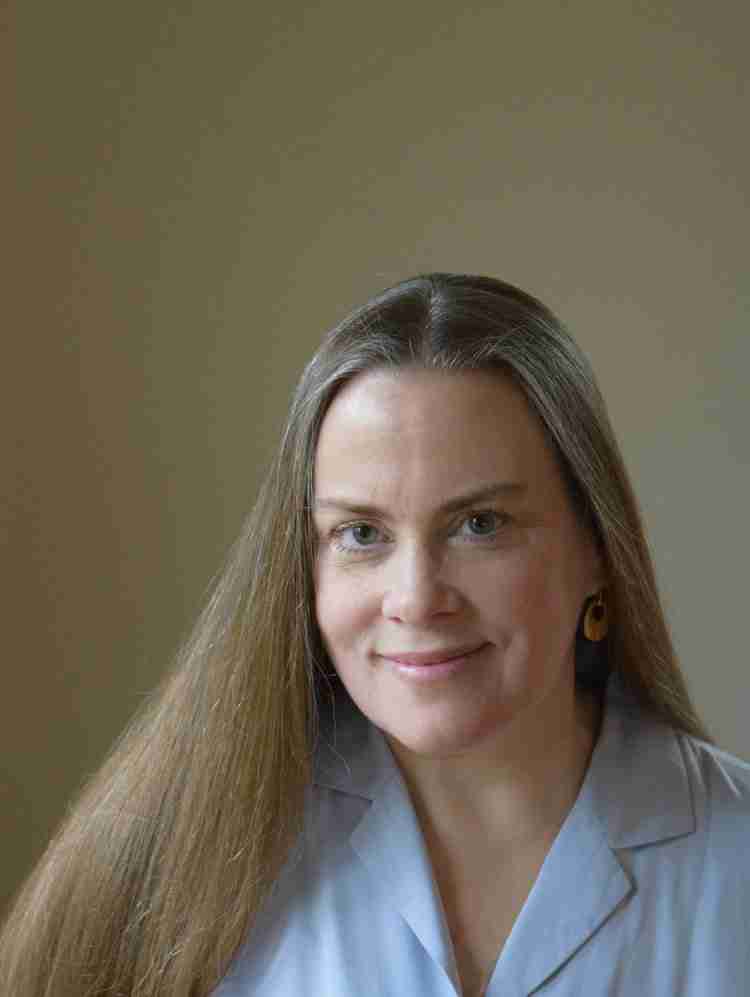
Jeannette DeCelles-Zwerneman
Abbey South
The 250th Anniversary of America’s Founding is an especially fitting time to study those writers who influenced the founders. Second only to Montesquieu, John Locke was one of the most cited political thinkers at the American Constitutional Convention, and his thought continues to hold a central place in debates over America’s liberal political tradition and intellectual culture. His Second Treatise of Civil Government is a particularly suitable text for seminar students at the secondary level, and its treatment would mark a significant contribution to their understanding of the founding.
This workshop will consist of a brief introduction to how to lead students through the Treatise. Then, for the bulk of our time, we will discuss one or two short selections to give teachers a foundation for leading a seminar on Locke with their students.
Participants will experience a discussion under the leadership of a master teacher who has led hundreds of students through Locke’s classic work. Further, each participant will receive a complimentary copy of Cana Academy’s comprehensive guide, Leading a Seminar on Locke’s Second Treatise of Civil Government.
February 26, 2026 12:30 pm to 01:30
pm
Capistrano
This workshop will explore the work of one of America’s greatest artists, Winslow Homer. We will consider why his art matters for both the classical and American tradition, then spend most of our time in a hands-on exercise on value and composition. Along the way, we will touch on ideas for differentiation across grade levels and reflect on how art and the study of heroic figures can shape our students.
February 26, 2026 01:45 pm to 02:45
pm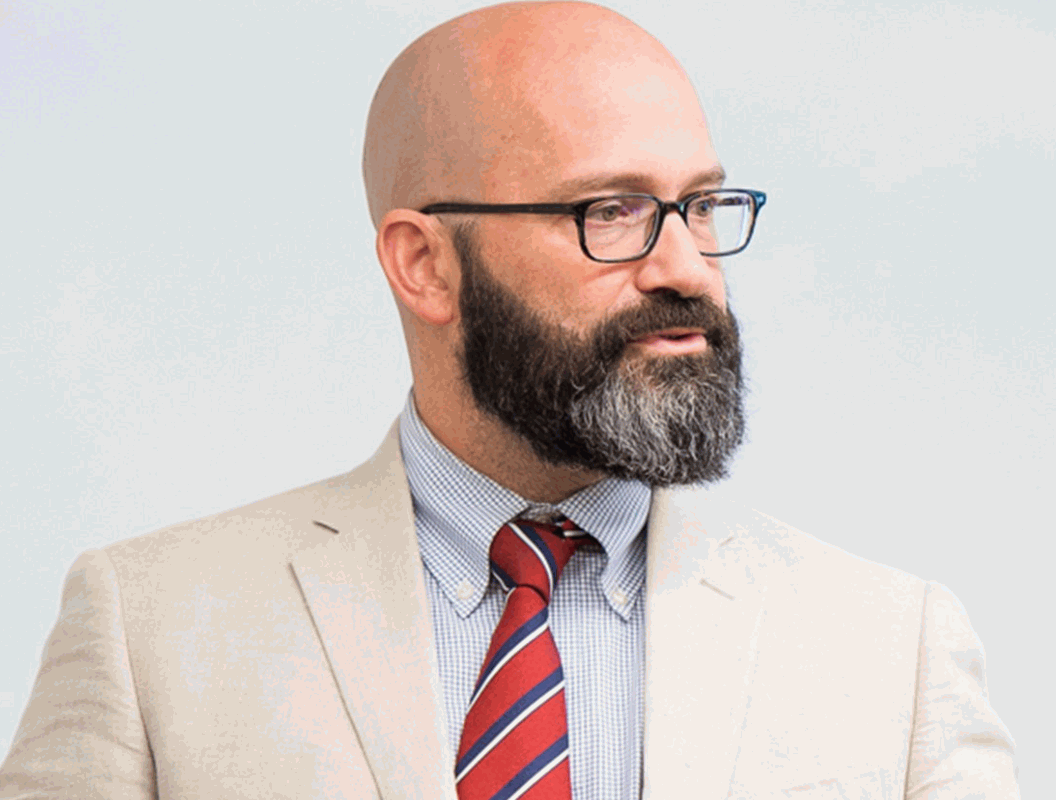
Bernard Dobski
Jokake
As one of America’s greatest authors, Mark Twain is known for being many things: a humorist, a social satirist, a teller-of-tall-tales-for-naughty-boys, a metaphysical pessimist, and America’s conscience on race, imperialism, and Gilded Age capitalism, to name just a few. But what all-too-often goes unappreciated about this giant of American literature is the extent to which he intended his fiction to shape our moral and civic imaginations. This was as true when he first burst onto the national scene with “The Celebrated Jumping Frog of Calaveras County” as it was with his last complete novel on Joan of Arc, Personal Recollections. It’s also true across his genres. Whether Twain was writing travelogues, medieval romances, political diatribes, or “morality tales” for young men, whether he employed the short story, long essay, or novel, he was always cultivating an imagination that would prepare his audience to adopt the virtues that the American republic required for its defense, virtues which also form the basis of genuine human flourishing. Twain was able to do this because he was himself shaped by an encounter with the great poet-philosophers of Western civilization, especially Homer, Dante, Shakespeare, and Cervantes. Our workshop will thus look at some of the ways Mark Twain’s outwardly outrageous, patently playful, and sometimes silly fiction performs the serious labor of shaping the imaginations of a citizenry called to preserve ordered liberty under the law. And we will explore ways that Twain can be incorporated into a curriculum whose ultimate goal is to imbue its students with a love of the true, the good, and the beautiful.
February 26, 2026 01:45 pm to 02:45
pm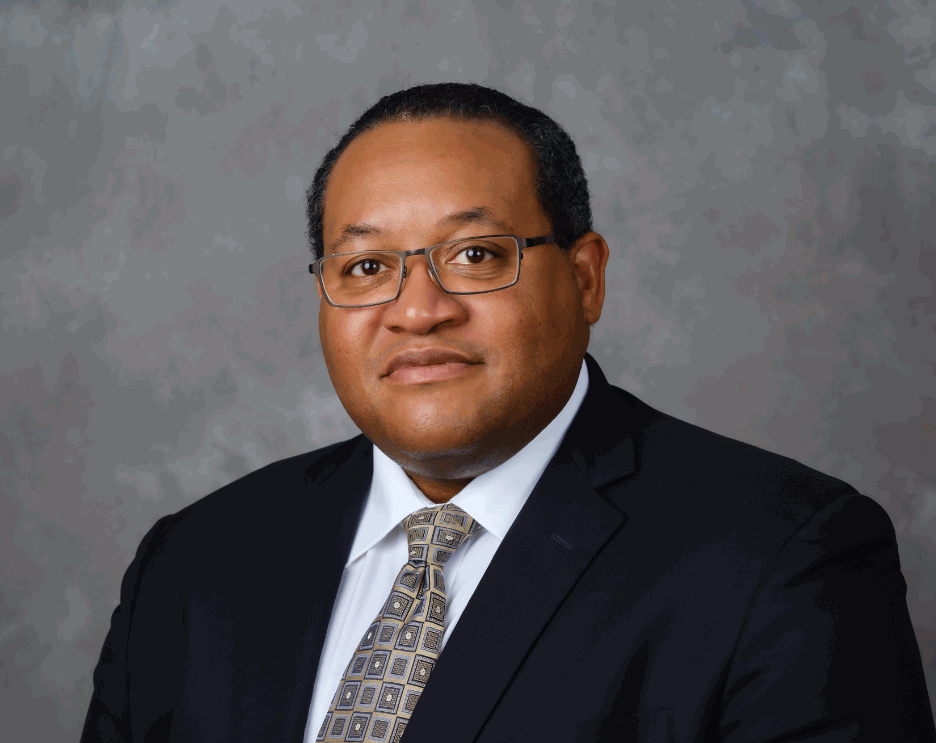
Eric Ashley Hairston
Delores
From Phillis Wheatley to W.E.B. DuBois to Toni Morrison and beyond, African American literature and intellectual history have been deeply influenced by the classics. This remarkable relationship directly resulted from both intentional and providential formal and informal education in the classics. Additionally, no study of African American intellectual history is complete without attention to the deep relationship between classical education and African American churches and clergy. From minds introduced to the classics at youth to those exposed to church Sabbath Schools and debating societies to those attending famous African American colleges and universities with deeply classical curricula, generations of African Americans gained part of their cultural crafting and sense of humanity from a classical world far removed from the limitations of antebellum and segregated America. We will explore this tradition and consider what it means to the multiple disciplines it touches.
February 26, 2026 03:30 pm to 04:30
pm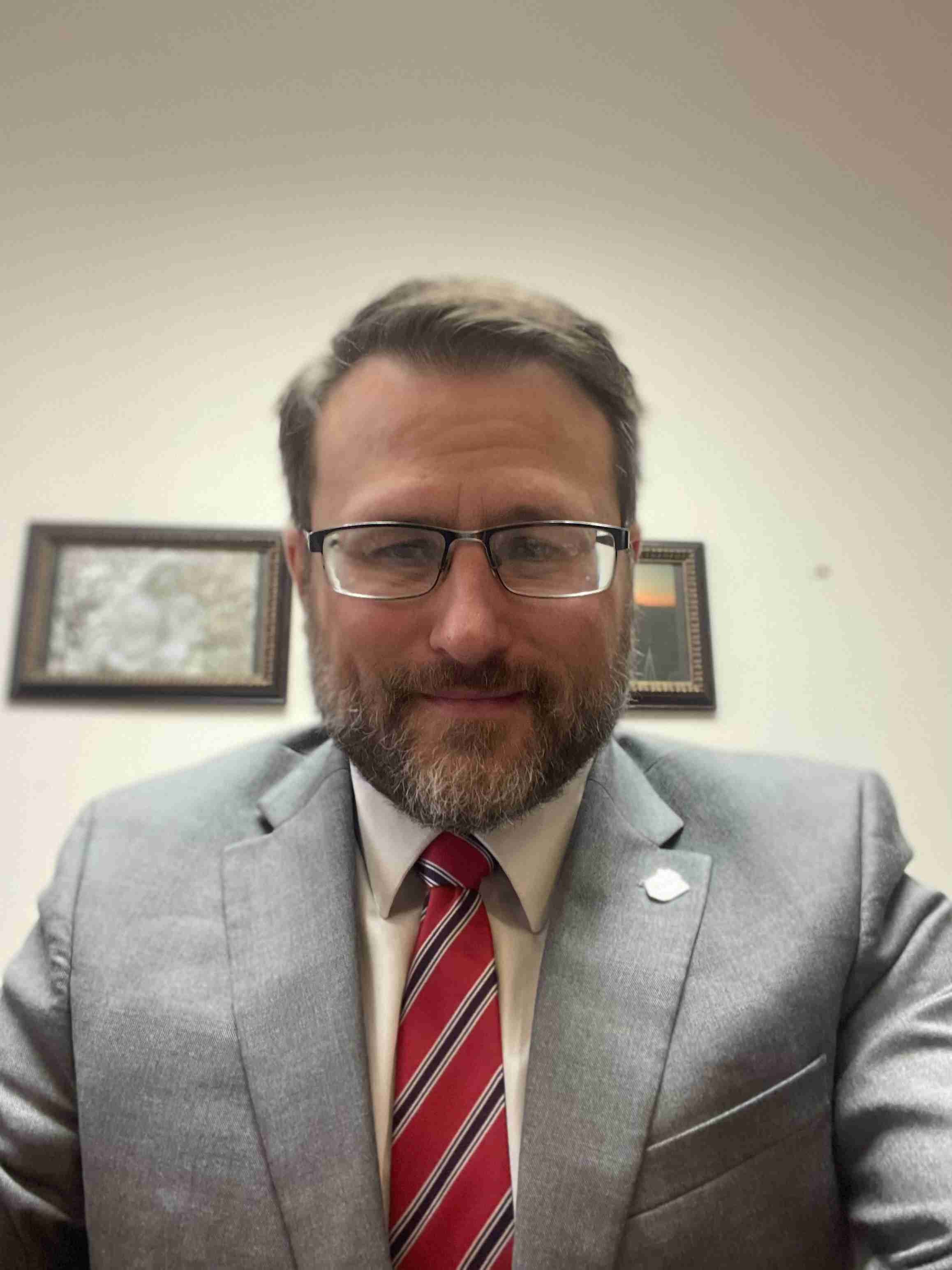
Joseph Wysocki
Ironstone
This talk will help high school teachers to help their students access the wisdom of Alexis de Tocqueville. Dr. Wysocki will argue that understanding Tocqueville is crucial for students' quests for self-knowledge and a great benefit to their future happiness.
February 27, 2026 10:30 am to 11:30
am
Vigen Guroian
Augustine
On March 22, 1775 Edmund Burke, the great British statesman and political philosopher delivered his speech on "Conciliation with the Colonies" in Parliament. And while it came too late - just a month before the Battle of Lexington and Concord - to prevent the outbreak of war - it has been viewed since that time as a speech of immense political wisdom in which Burke profoundly demonstrates the importance of two fundamental virtues of politics: prudence and magnanimity. In my view, also, Burke's insight into the American character remained unrivaled by any commentator on it until de Tocqueville. Through the nineteenth century and early decades of the last century, Burke's speech was regularly taught in American schools as an example of the highest form of political rhetoric and as a lesson in history. I believe the speech helped shape the character and politics of many American leaders. In our day, we need to return to it. But not only are we going to look at "Conciliation with the Colonies" as a lesson in politics and history, we also are going to examine Burke's masterful use of rhetorical figures and devices that make it one of the most important speeches of British Parliamentary history.
I first was introduced to the speech in the best course I ever took as an undergraduate at the University of Virginia, Professor John Graham's "The Golden Age of British Rhetoric." I never left Burke or his speech behind. My doctoral dissertation included Burke as one of two figures in a study on politics and the moral life, the other being the twentieth century American theologian, Reinhold Niebuhr "On Conciliation..." is a very long speech, so I have excerpted some of the most salient portions for our examination.
February 27, 2026 10:30 am to 11:30
am
Carrie Eben
Christopher Perrin
Joshua Tree
Most of us have had at least one good teacher. If we have, we can still remember that teacher, and almost always because that teacher could teach very well and was simply a good and admirable person. In this seminar, we will explore the two ways that good teachers become good: 1) they are models of virtue that inspire students to imitate them and 2) they are good at the art of teaching or pedagogy.
In this seminar, Perrin and Eben will discuss the importance of modeling virtues like zeal for learning, intellectual curiosity, wonder, and humility and how to grow in these virtues; they will also note the key principles of pedagogy contained in their co-authored book, The Good Teacher: Ten Key Pedagogical Principles That Will Transform Your Teaching. And since good teaching has existed throughout history and place, this seminar will note some of the great American teachers from its founding to the present day.
February 27, 2026 11:45 am to 12:45
pm
Jerilyn Olson
Joshua Tree
Classical Education should always give due honor to the Trivium, yet its application in modern K–12 schools can vary widely. Is the Trivium best understood as a framework for language instruction alone? Should we, following Dorothy Sayers, see it primarily as a model of child developmental stages? Can we view each academic discipline as having its own grammar, logic, and rhetoric? This session will explore these questions and consider practical ways to integrate the Trivium across subjects and grade levels.
February 25, 2026 02:00 pm to 03:00
pm
Jennifer Ramirez
Mary Chin
Ironstone
We will read a short excerpt from Norms and Nobility and have seminar discussions through the lens of instructional coaching. If teachers can only teach from who they are, what they love, and what they know, how do we best support them as they engage in life-long learning? What are the roadblocks for teacher learning and how can a coach help dismantle them? No pre-work required; come with curiosity and your experience and we look forward to an energetic and thoughtful conversation.
February 25, 2026 03:15 pm to 04:15
pm
Jennifer Ramirez
Mary Chin
Ironstone
We will read a short excerpt from Norms and Nobility and have seminar discussions through the lens of instructional coaching. If teachers can only teach from who they are, what they love, and what they know, how do we best support them as they engage in life-long learning? What are the roadblocks for teacher learning and how can a coach help dismantle them? No pre-work required; come with curiosity and your experience and we look forward to an energetic and thoughtful conversation.
February 26, 2026 10:30 am to 11:30
am
Eric Cook
Joshua Tree
Although the classical school movement has seen extraordinary growth and interest, in many ways, it has done so in the face of immense obstacles. The current cultural milieu is almost entirely tilted against classical ideals and the classical model. The vast majority of American parents have hardly heard of classical education, much less been trained in the liberal arts. Among many, the classical tradition represents bigotry, misogyny, and the wrong vision for forming children. It is among these barriers and in this context that our school leaders must serve and shepherd their school communities. How can leaders articulate a clear, compelling vision for classical education? How can they embody the ideals and values of the tradition in ways that meet parents where they are? How can heads of school develop a vision for partnership that helps parents embrace the good, true, and beautiful things that the classical model provides? This session will explore these questions and equip leaders with the language, tools, and courage to lead their classical schools in an unclassical world.
February 26, 2026 12:30 pm to 01:30
pm
Daniel Scoggin
Palm Ballroom
This workshop will discuss the cultural and personal headwinds our teens encounter in fully embracing a classical education today. How can we as school leaders and teachers create better conditions for them so they can seek virtue authentically? We will discuss teaching and motivational strategies that enable teens in our schools to find their unique potential within a lasting tradition of excellence.
February 26, 2026 12:30 pm to 01:30
pm
Jennifer Ramirez
Mary Chin
Jokake
This session will focus on the art of asking questions through an instructional coaching lens. We know that students thrive in discovery-style learning environments. How does this translate to instructional coaching? We will ground this discussion in an excerpt from the Paideia Proposal before workshopping practical questions to use in feedback meetings. This session will also highlight the Instructional Coaching Principles and Practices APEX course that will next run June-September 2026.
February 26, 2026 01:45 pm to 02:45
pm
Helen Hayes
Augustine
This workshop identifies four challenges that operate in unique ways for the leader of a classical school and that make the job distinct from leadership of non-classical schools. It is unlikely that you will emerge having mastered these challenges, as they reflect the magnitude of classical education itself. For instance, your teachers might wish to produce lifelong learners, might even know what actions are conducive to doing so, and still have a long way to travel before having consistent success in cultivating lifelong learners. How do you inspire your teachers and equip them toward the goal of becoming lifelong learners?
February 26, 2026 01:45 pm to 02:45
pm
Mallory Staley
Xavier
Whether you're contemplating your first capital campaign or managing one already underway, this training offers strategic insights for every phase of the journey.
We'll begin by examining the foundational work that precedes any successful campaign—from assessing institutional readiness to building the leadership infrastructure necessary for a major fundraising initiative. School leaders will gain clarity on the critical questions to answer before publicly launching a campaign.
The real test of a campaign, however, comes after the initial excitement fades. This training addresses the obstacles that frequently emerge once a campaign is in motion: construction budgets that escalate beyond projections, donor engagement that loses momentum, and the challenge of securing transformational gifts rather than incremental ones. Participants will learn proven approaches for maintaining campaign vitality and adapting strategy when circumstances shift.
For schools considering consecutive campaigns or already planning their next initiative, we'll discuss sustainable fundraising models that protect donor relationships while advancing institutional priorities. The session will conclude with essential post-campaign practices—the often-overlooked work that determines whether a campaign creates lasting advancement capacity and how you can retain and cultivate new funding sources.
February 26, 2026 03:30 pm to 04:30
pm
Alex Julian
Dolores
So many schools call themselves classical today, but are often teaching and operating in ways that are antithetical to their mission. In this talk, Alex Julian will explore some of the most common "heresies" in classical schools, and offer a vision of what the best classical schools are doing to achieve their mission.
February 26, 2026 03:30 pm to 04:30
pm
Suzanne Meledeo
Abbey South
Join me for a workshop that will help you create a semester long course for your teachers to help them find success in the classroom. This course marries the beauty of classical curriculum, pedagogy, and philosophy with practical classroom management techniques. Teachers meet weekly over the semester to seminar on assigned texts and discuss practical classroom management methods they have tried in their classrooms. We will work together to identify the needs of your teachers to create a personalized course for your school. I look forward to working together to help each of you craft a course that meets the needs of your teachers and helps them find greater success.
February 27, 2026 10:30 am to 11:30
am
Erik Twist
Xavier
The classical renewal depends on one thing: people. Yet the movement faces an urgent and widening talent gap. In this session, Arcadia President Erik Twist will share a proven, system-level approach to solving the pipeline problem — from uncovering hidden teacher markets and forging recruitment pathways to building institutional infrastructure that attracts, supports, and retains mission-aligned educators. Drawing on Arcadia’s work with networks, dioceses, and new school launches nationwide, this session will offer practical tools and strategic insights for anyone serious about staffing the future of classical education. If you’re facing a talent crunch, don’t miss this.
February 27, 2026 10:30 am to 11:30
am
Shannon Richards-Nieves
Jason Moore
Abbey South
Every school has stories worth telling—but not every story is told in a way that captures attention, builds trust, and drives growth. In this workshop, participants will learn how to identify and shape stories that resonate both inside their school community and with the broader public.
We’ll explore practical strategies for creating headline-worthy content that maximizes your digital footprint. From writing compelling headlines that draw readers in, to incorporating SEO-friendly code snippets that boost visibility, you’ll walk away with concrete tools to make your school’s stories travel further and work harder online.
This workshop will highlight how storytelling serves a dual purpose: strengthening engagement with current families while reaching new audiences to support long-term enrollment growth. Whether you’re a school leader, marketer, or educator, you’ll leave with a framework for turning everyday school moments into meaningful, shareable narratives that connect with parents, donors, and the wider community.
February 27, 2026 11:45 am to 12:45
pm
Heather Washburn
Capistrano
Great Hearts transforms challenges into opportunities through its refined Academic Improvement Framework. After two decades of proving that all children are classically educable, we have developed a powerful three-tier support system that ensures no academy stands alone. This presentation highlights the practical tools and collaborative processes that identify schools in need, mobilize targeted resources through steering committees and working teams, and chart measurable pathways to improvement — all while staying true to our classical mission. Whether you are a headmaster, regional leader, or teacher, you’ll gain actionable insights into how data-informed assessments, strategic goal-setting, and coordinated professional development sustain excellence across our network —because when one academy thrives, we all thrive.
February 25, 2026 02:00 pm to 03:00
pm
Heather Washburn
Joshua Tree
Classical education is increasingly reaching every child, affirming that the Great Books and the Great Conversation are the educational birthright of all. Guided by the vision of education as a means of intellectual cultivation for every student, the conviction that the best education should be universally accessible, and the principle that a single rigorous curriculum can unite rather than divide, this talk explores how schools are making Plato, Shakespeare, and Frederick Douglass accessible to all, while preserving the rigor and depth that make classical learning transformative. At once a philosophical celebration of education’s higher purposes and a practical roadmap for educators, the session demonstrates how classical education can serve every child, regardless of background or zip code.
February 25, 2026 03:15 pm to 04:15
pm
Angel Adams Parham
Diana Smith
Augustine
Anna Julia Cooper fulfills the remarkable promise of America, a land where a person furthest from opportunity can be a tremendous success. Born into slavery and eventually earning a doctorate at the Sorbonne, Dr. Cooper lived a life committed to the notion that a classical education should be the curriculum for all people. She led a school and a university devoted to her belief in classical education and she proved in her person that to be classically trained is to be free. In this session, participants will learn about Dr. Cooper's remarkable biography and participate in a seminar focused on one of her educational treatises. Participants will leave with resources for teaching about Dr. Cooper and with an appreciation for the power of classical education to speak to all people at all times.
February 26, 2026 10:30 am to 11:30
am
Sofia Rigolon
Colonnade
As the United States prepares to celebrate the 250th anniversary of the Declaration of Independence, educators have a unique opportunity to explore classical literature through an inclusive and interdisciplinary lens. The Wind in the Willows by Kenneth Grahame, a beloved classic, offers rich themes of community, freedom, and responsibility—making it an ideal text for integrating social studies concepts while ensuring accessibility for diverse learners.
This session will provide educators with strategies to create classical curricula that is inclusive of exceptional learners that incorporate social studies themes such as governance, civic responsibility, and cultural perspectives. Attendees will explore how The Wind in the Willows can serve as a bridge to discussions on democracy, leadership, and the evolving ideals of independence, both in literature and historical contexts.
February 26, 2026 12:30 pm to 01:30
pm
Ana Gonzalez
Toyin Atolagbe
Augustine
This panel brings together educators and thought leaders from diverse backgrounds to explore the moral and cultural imperative of making the Western Canon accessible to all. Rooted in the transformative tradition of classical education, the conversation will examine how participation in the Great Conversation fosters human flourishing and intellectual dignity. Panelists will reflect on their personal and professional journeys, highlighting how the classical tradition has shaped lives across boundaries of geography, race, and socioeconomic status. Together, they will affirm that the riches of the Canon are not the privilege of a few, but the rightful inheritance of every human soul — and discuss practical pathways for expanding access without compromising rigor or depth.
February 26, 2026 01:45 pm to 02:45
pm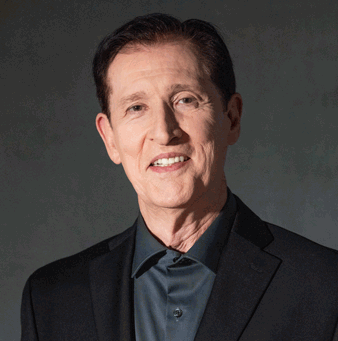
Larry Hampton
San Pedro
This is an experiential session that offers the opportunity to apply principles and practice with a structured format to help students de-escalate when they experience intense emotions like anger. It covers self-preparation, the relationship or language and brain function, five principles of interaction, and a systematic approach to de-escalation.
February 26, 2026 03:30 pm to 04:30
pm
Angel Adams Parham
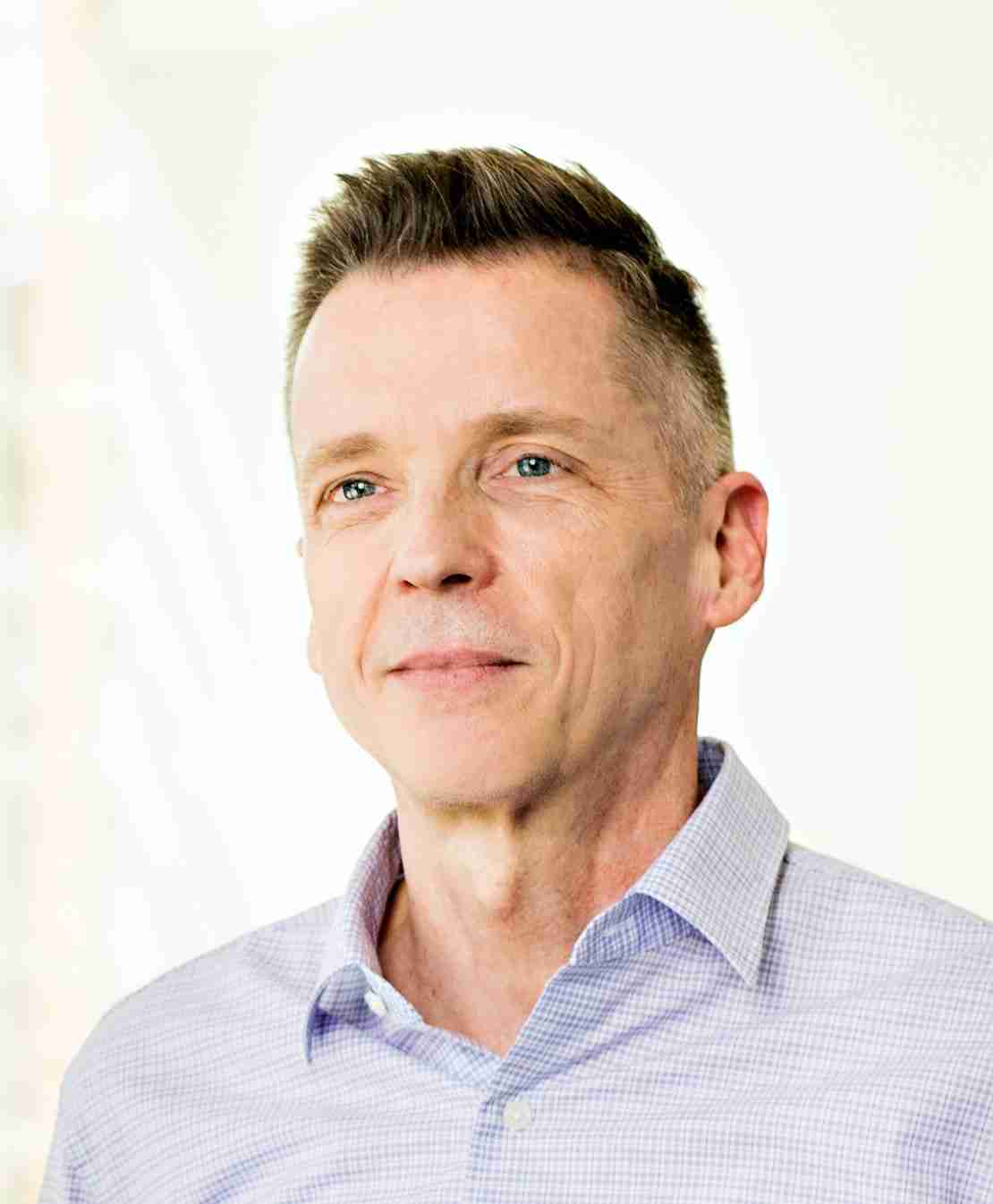
Steven Wilson
Ian Rowe
Ballroom
Most (if not all) Symposiasts have a clear notion of classical education and find its virtues to be self-evident. But how should we make classical education legible and attractive to new audiences? How can the virtues of classical education be conveyed to the unversed, the circumspect, even the hostile? And how ought we to do this without undermining, distorting, or dumbing-down its essential elements? What are the biggest misconceptions about classical education? And what are the best ways to defuse them? Our panel of experts will contemplate these questions and more.
February 26, 2026 03:30 pm to 04:30
pm
Gabriela Flatt
Colonnade
Using the Trivium Grammar, Logic, and Rhetoric as a framework to support language acquisition and identity formation.
Key Points:
February 27, 2026 10:30 am to 11:30
am
Tom Doebler
San Pedro
Following a rich discussion of how to create “doxological” classrooms of welcome in the first-ever preconference to the National Symposium for Classical Education (please see the symposium website for more information!), Tom will dive deeper into the concept of “the cult of normalcy” that saturates the modern vision of disability. Through a rough historical sketch and discussion, participants will come to understand how our society’s difficulty with human vulnerability paves the way for well-intentioned acts of cruelty. Ultimately, we will establish a connection between our philosophical anthropology and what we value, and consequently what (and more importantly who) we consider to be burdensome. Understanding this concept is at the root of changing our vision for creating schools of welcome, particularly for parents and teachers. As such, participants will also engage in a rich discussion of how to recast a vision of education for members of their community, especially the parents of students with learning needs and differences.
February 27, 2026 11:45 am to 12:45
pm
Anthony Fredette
Thaddeus Cornell
Colonnade
The session will comprise four major arguments about why Latin is beneficial (and should be a required subject) for all students at classical schools, even those from academically disadvantaged backgrounds:
1) Latin, at most schools, represents for students disadvantaged vis-à-vis English a sort of academic “fresh start;” it is a rare example of a subject after Kindergarten in which students have a new opportunity to be excellent, starting with the fundamentals.
2) Latin continues to afford students a privileged inroad into learning advanced English vocabulary, the knowledge of which is important for reading advanced literature (not to mention college admissions essays, standardized texts, etc.). Crucially, this vocabulary instruction presumes less prior linguistic knowledge and, if taught well, strains the memory less than it would in an English class, in which the concrete, physical etymology of such words is less apparent.
3) Latin also continues to give students a synoptic view of the way in which languages as a whole are structured, and it does so by periodically examining it as a system “from the outside;” because of the fact that it is no student’s native language, and because it is so heavily inflected, it spurs reflection on the deep structures underlying human language as such.
4) At a classical, liberal arts school, Latin provides students with unique access to the rest of the curriculum, familiarizing them with stories encountered in other classes, and giving them the lexical and grammatical toolset which will make their thinking and writing about canonical literature more intellectually rigorous.
February 26, 2026 10:30 am to 11:30
am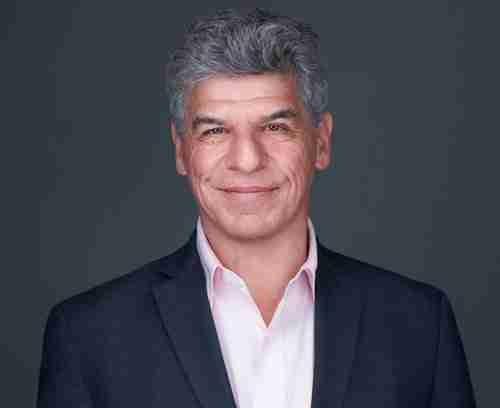
Jacob Howland
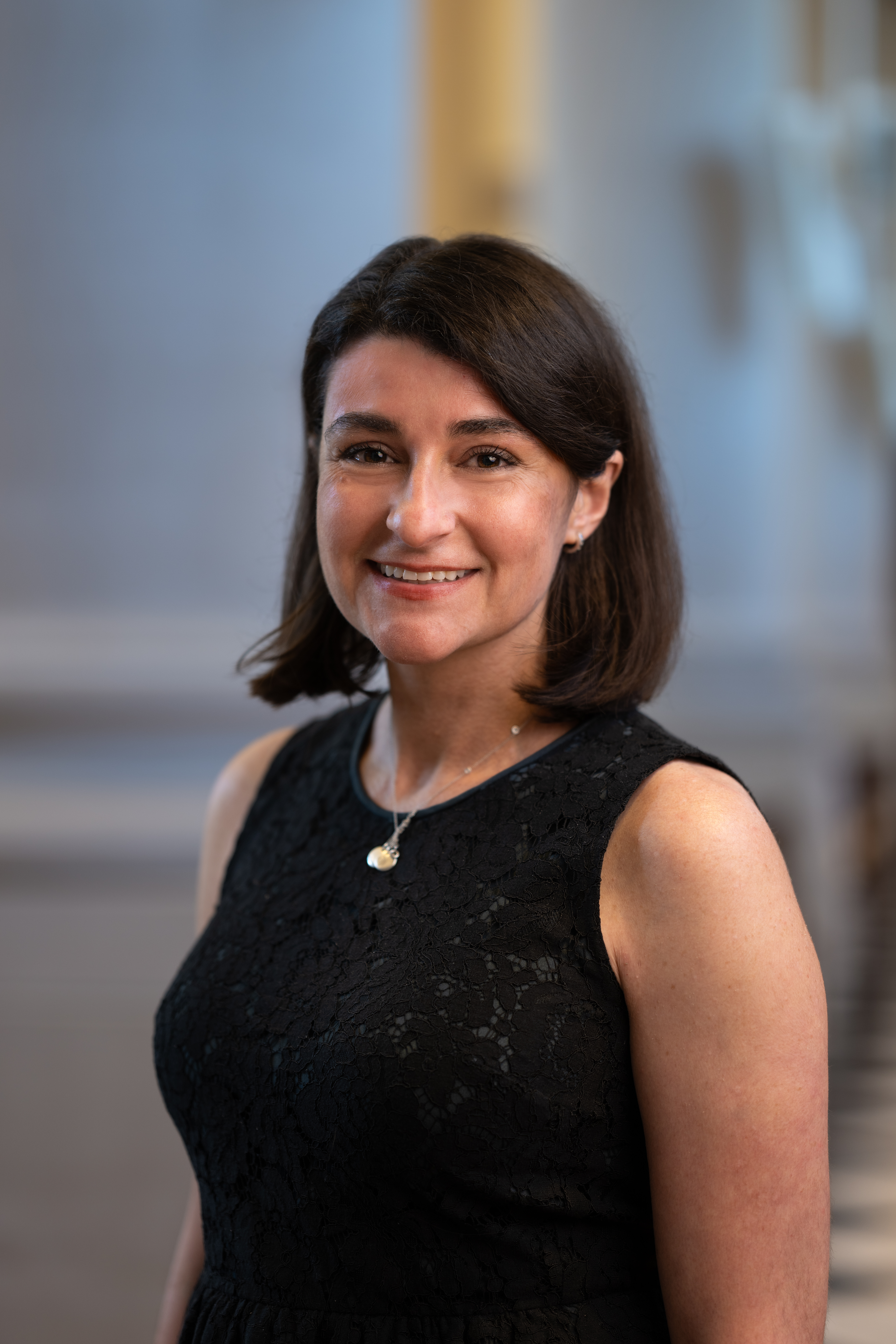
Kathleen O'Toole
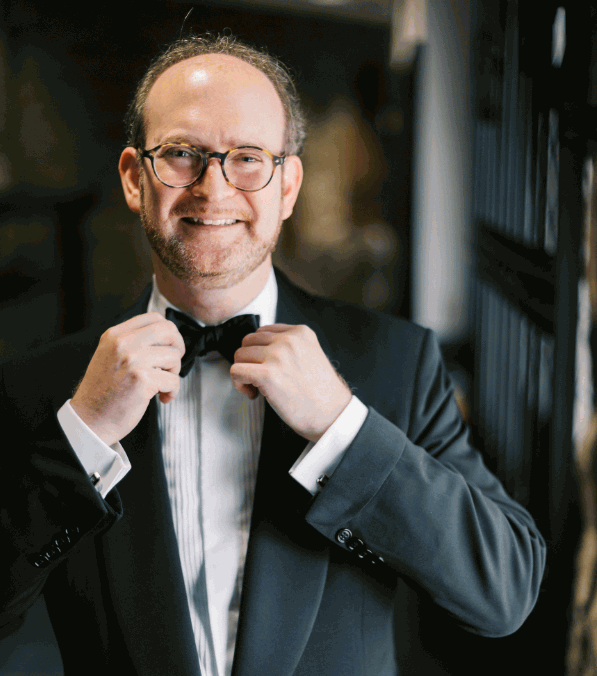
Joshua Katz
Xavier
The literacy crisis in the United States is a calamity for a self-governing republic. The purpose of this panel discussion is to engage in a lively exchange about why a republic – perhaps above all other political arrangements – requires a literate, educated citizenry, and what has occurred in American K-12 education and universities to undermine the strong literacy we require. We will trace the classical antecedents of American republicanism and consider why the American founders placed such great value on an educated populace, as a means to assessing how we restore American literacy.
February 26, 2026 12:30 pm to 01:30
pm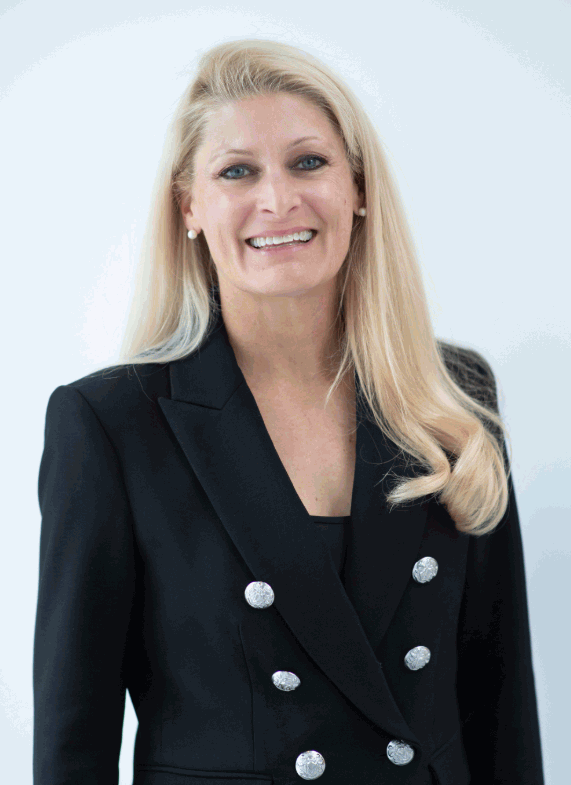
Katherine Haley
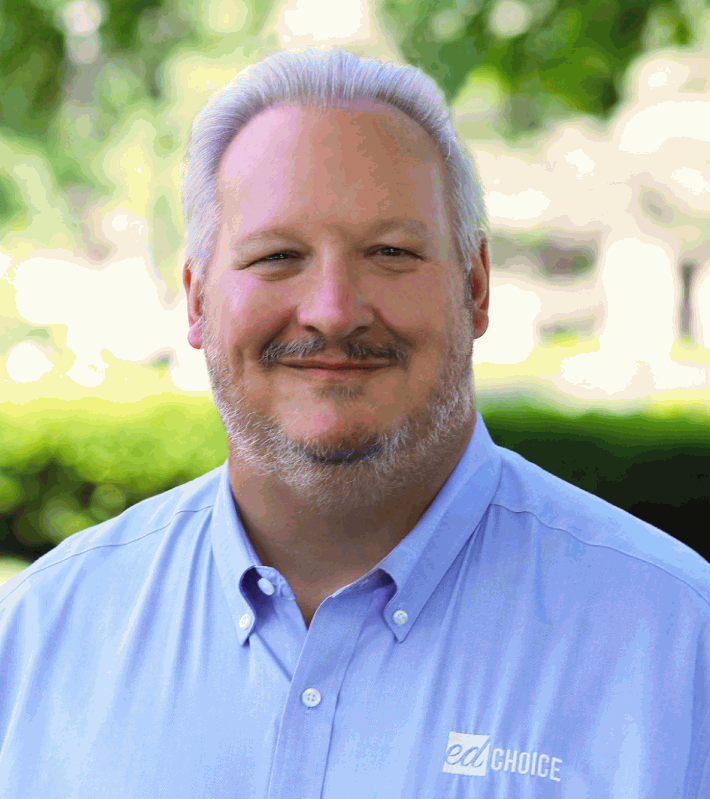
Robert Enlow
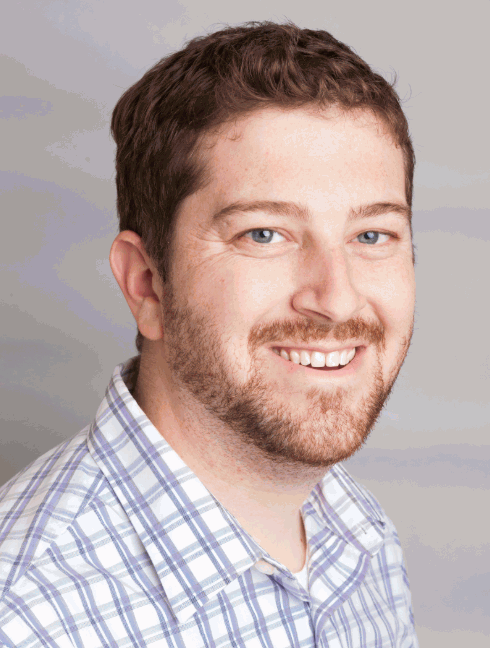
Raphael Gang
San Pedro
This panel will explore the contours of the new choice landscape, and specifically how charter and private school operators can work in mutually beneficial ways to make the most of new private choice funding opportunities. How do ESAs and vouchers create opportunities for new school models, and incentivize innovation within existing school models (e.g., charters)?
February 26, 2026 12:30 pm to 01:30
pm
Zachary German
Colleen Sheehan
Andy Smarick
Dolores
A Classical Education proceeds through the study and Socratic discussion of the best texts and ideas thought by the greatest minds over the centuries and throughout the Western tradition. The premise of this panel is that a classical education should include a deep consideration of the founding principles and documents, speeches, and history that inform the establishment of American republican government. Classical liberal arts students are citizens and the future leaders of American democratic life, and as such, they should come to understand the knowledge of the human condition and the limits of politics the American Founders, the “great oracles of political wisdom,” possessed about how to make a government by the people and for the people succeed.
February 26, 2026 01:45 pm to 02:45
pm
Alex Petkas
John Goyette
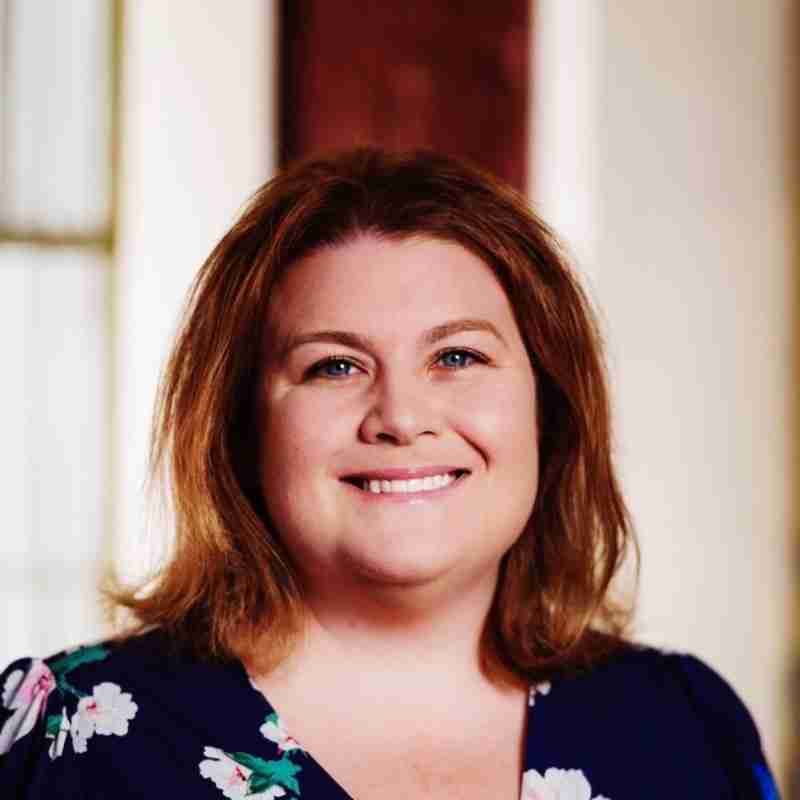
Erin Valdez
Palm Ballroom
What is the future of literacy in a world where AI tools can be used to produce research, poetry, essays, and other creative work formerly assumed to be solely the domain of humans? This panel will steel-man the case against literacy and challenge the panelists and audience to set aside wishful thinking to explore the most robust and compelling responses to the critics of classical education.
February 26, 2026 03:30 pm to 04:30
pm
Angel Adams Parham
Steven Wilson
Ian Rowe
Ballroom
Most (if not all) Symposiasts have a clear notion of classical education and find its virtues to be self-evident. But how should we make classical education legible and attractive to new audiences? How can the virtues of classical education be conveyed to the unversed, the circumspect, even the hostile? And how ought we to do this without undermining, distorting, or dumbing-down its essential elements? What are the biggest misconceptions about classical education? And what are the best ways to defuse them? Our panel of experts will contemplate these questions and more.
February 27, 2026 10:30 am to 11:30
am
Josh Wilkerson
Sandra Schinetsky
Jonathan Gregg
What does it mean to teach mathematics classically? This question is often asked by not only math teachers in classical schools but also teachers in other content areas and school leaders. While there is some clarity about how to teach other content areas such as literature, history, and natural philosophy from a distinctively classical approach, there is much less in clarity and consensus when it comes to mathematics. In this workshop, attendees will first learn about the findings from an experiment that identifies what classical school educators think math classrooms should look like and how students themselves describe their math classrooms. Dr. Albert Cheng from the University of Arkansas will moderate the panel discussion about these findings with Dr. Jonathan Gregg of Hillsdale College and Dr. Josh Wilkerson and Sandra Stotsky, math teachers at the Regents School of Austin and directors of Restoring Mathematics. Attendees will have the opportunity to interact with the panel and consider how to implement with greater fidelity a classical vision of mathematics education in their classrooms. The aim of the workshop is to inspire imagination about what mathematics classrooms can and, perhaps, should look like in classical schools and to equip individuals to take steps to realize such classrooms.
February 27, 2026 11:45 am to 12:45
pm
San Pedro
In 1796, during his final year as president of the United States, George Washington called on the United States Congress to establish a national university, a “primary object” of which, he said, should be “the education of our Youth in the science of Government.” The purpose of this panel is to discuss the place of teaching Civics in a Classical Education. How should it be taught and to what ends?